Understanding Welding Codes and Standards for Pipe Welding
- Posted by:
- Admin
- Tags:
- coded pipe welding,standards and regulations,welding codes,health and safety in welding
- Posted date:
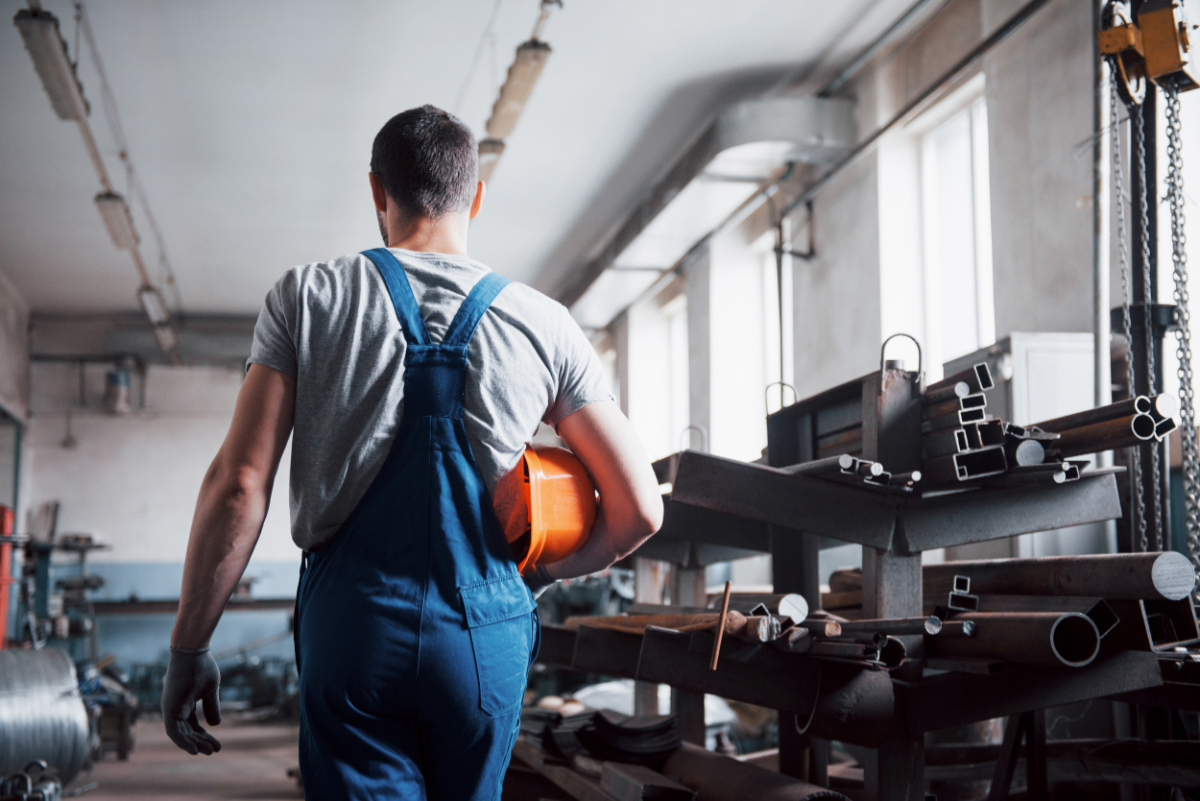
Find out more about 'Welding Codes and Standards for Pipe Welding' keep your industry safe by ensuring durable, defect-free, and fit-for-purpose welded structures. A welded pipe joint may be exposed to pressure, heat, vibration, corrosion and changing loads throughout its working life. A defect that appears small when the weld is completed can become a serious problem once the system is operating. Common welding problems can include...
Posted by: Admin on: Read More
How Structural Steel Is Manufactured
- Posted by:
- Admin
- Tags:
- structural steel,steel beams,steel frames,steel suppliers
- Posted date:
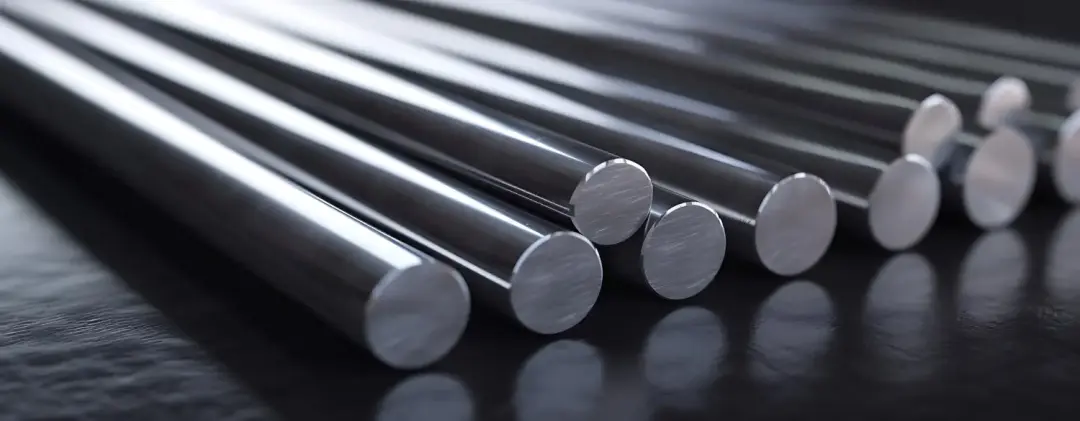
Discover how structural steel is manufactured, from raw materials to finished product. Learn how this process ensures strong, reliable steel for UK construction projects. Structural steel is a strong construction material produced in controlled grades and formed into sections that support buildings, bridges and other structures. Common products include beams, columns, channels, angles, plates and hollow sections. Each product is designed...
Posted by: Admin on: Read More
How Steel Beams Improve Structural Strength
- Posted by:
- Admin
- Tags:
- steel beam,steel frame,steel structure,steel delivery,steel supply
- Posted date:
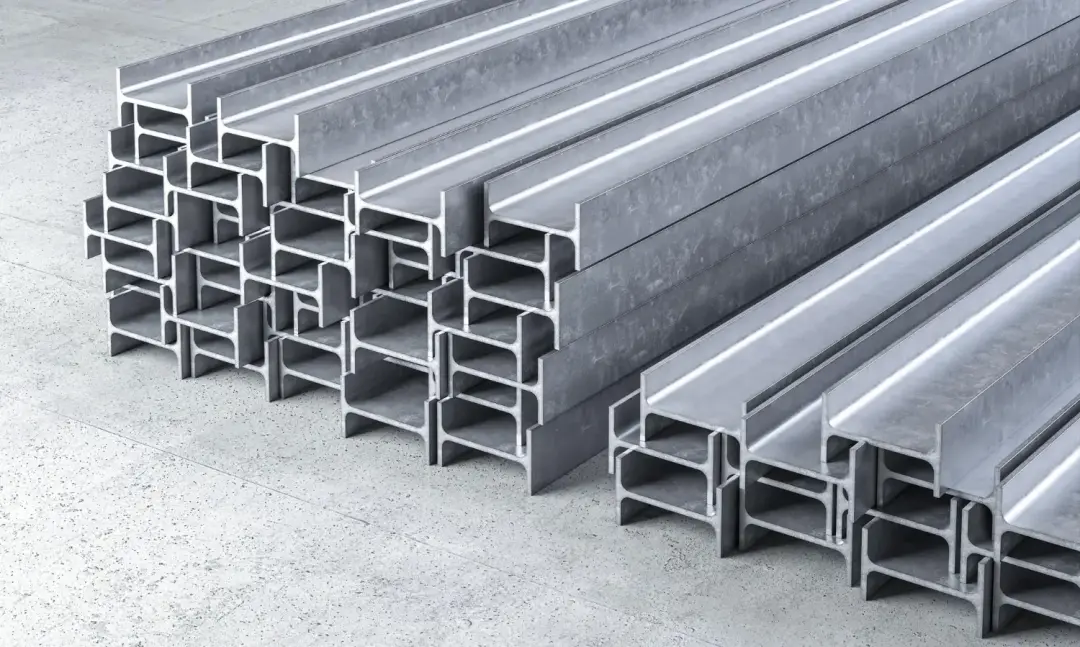
Discover how steel beams improve structural strength, offering safer, wider spaces and reliable load support for UK building projects. Get expert advice today. Structural steel beams are strong horizontal sections used to carry loads across a building. They transfer weight from floors, roofs, walls and equipment towards columns, load-bearing walls or foundations. Common beam shapes include sections with a central web and wider flanges,...
Posted by: Admin on: Read More
Why Choose Steel Frames for Your Building Project
- Posted by:
- Admin
- Tags:
- Steel Frames,Steel Beam,Steel Supply,Steel Construction
- Posted date:
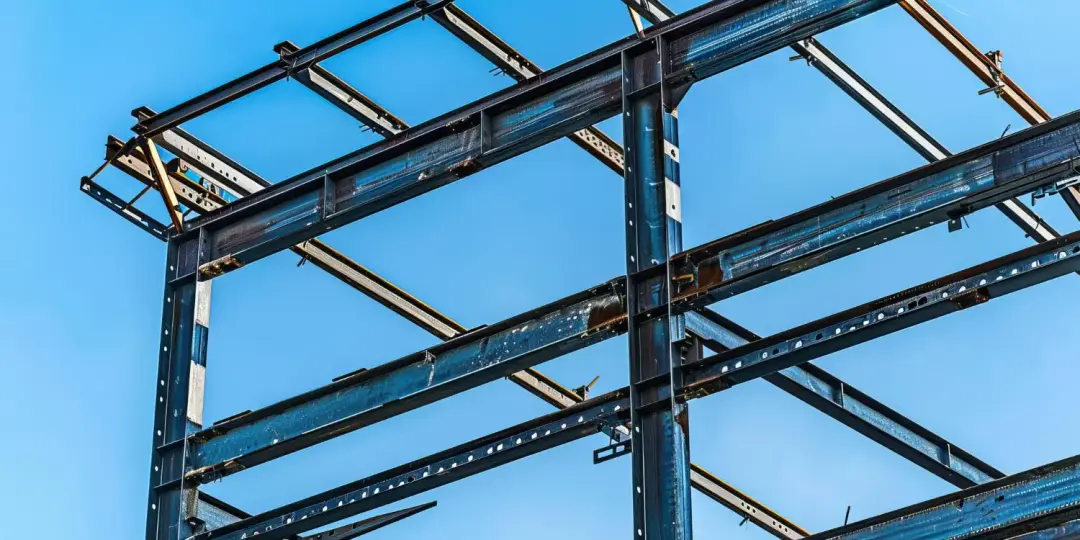
Why Choose Steel Frames for Your Building Project? Discover durable, flexible, and efficient structural solutions that support large spans and faster construction across the UK. Steel frames are structural systems made from steel columns, beams, rafters and supporting sections connected together to form the main skeleton of a building. They carry loads from the roof, walls, floors and building contents, then transfer those loads safely...
Posted by: Admin on: Read More
When Do You Need Hydrostatic Testing
- Posted by:
- Admin
- Tags:
- Hydrostatic Testing,Safety Checks,Repairs,Leaks,Damage
- Posted date:
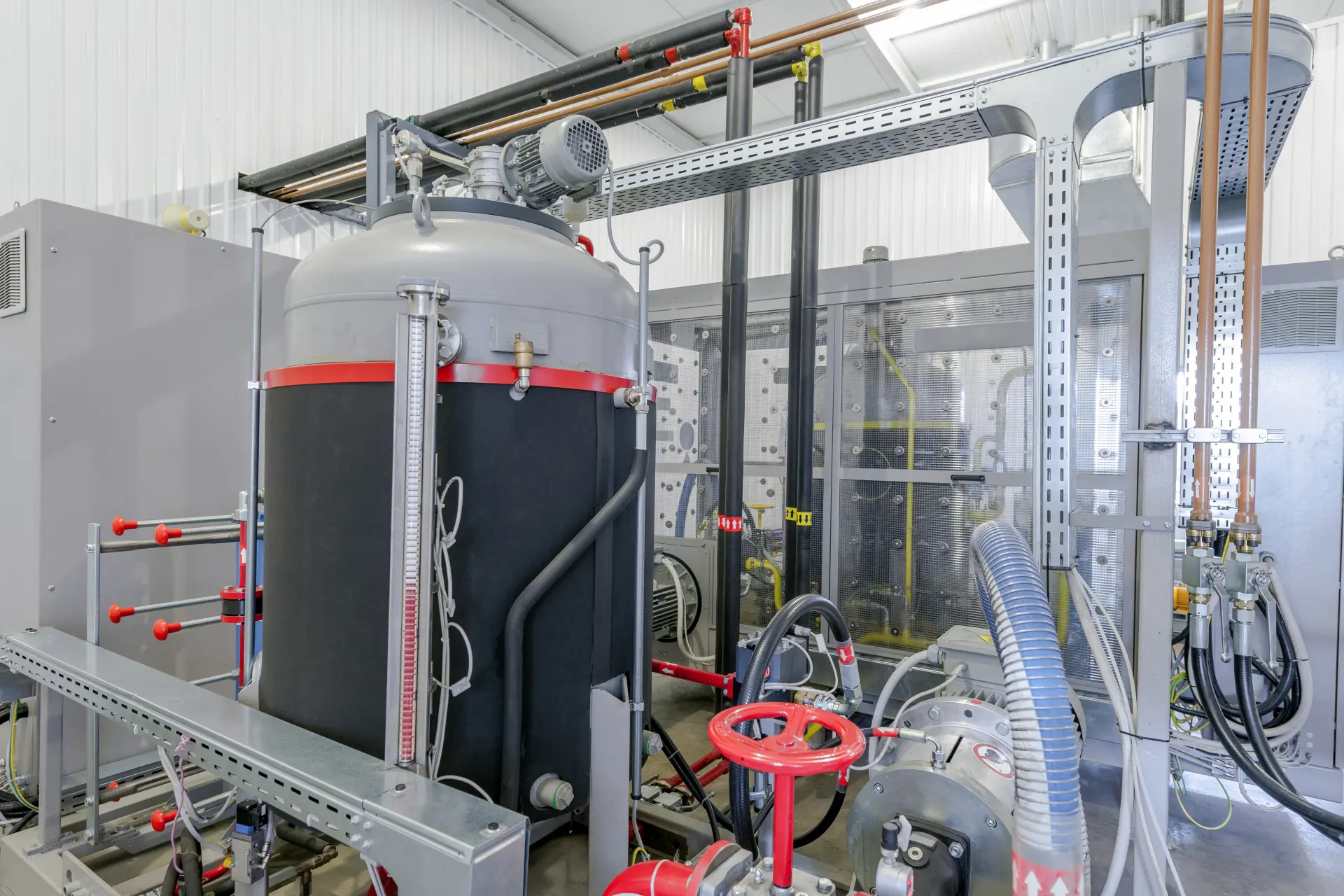
Hydrostatic testing is a method used to check whether a system can handle pressure safely. It is commonly used on pipes, pipelines, pressure vessels, gas cylinders, tanks, and other pressurised equipment. The test uses water, or another suitable liquid, to find leaks, defects, and weaknesses before the system is put into operation. Find out when you need hydrostatic testing, including after installation, during safety checks, after repair...
Posted by: Admin on: Read More
What Does It Mean to Be a Coded Welder
- Posted by:
- Admin
- Tags:
- Certified Welders,Coded Welders,Welding Certifications,Welding Joints,Welding Codes
- Posted date:

A coded welder is a welder who has passed a welder approval test to prove they can produce welds to a particular specification. In simple terms, being coded means the welder has been tested against a welding code and has shown that their work can meet set quality standards, safety requirements, and industry standards. This is important because coded welding is often used in safety critical applications where a weak welded joint could lead to leaks,...
Posted by: Admin on: Read More
Common Industries That Rely on Hydrostatic Testing
- Posted by:
- Admin
- Tags:
- safety regulations,hydrostatic testing,pipes and pressure vessels,equipment testing
- Posted date:
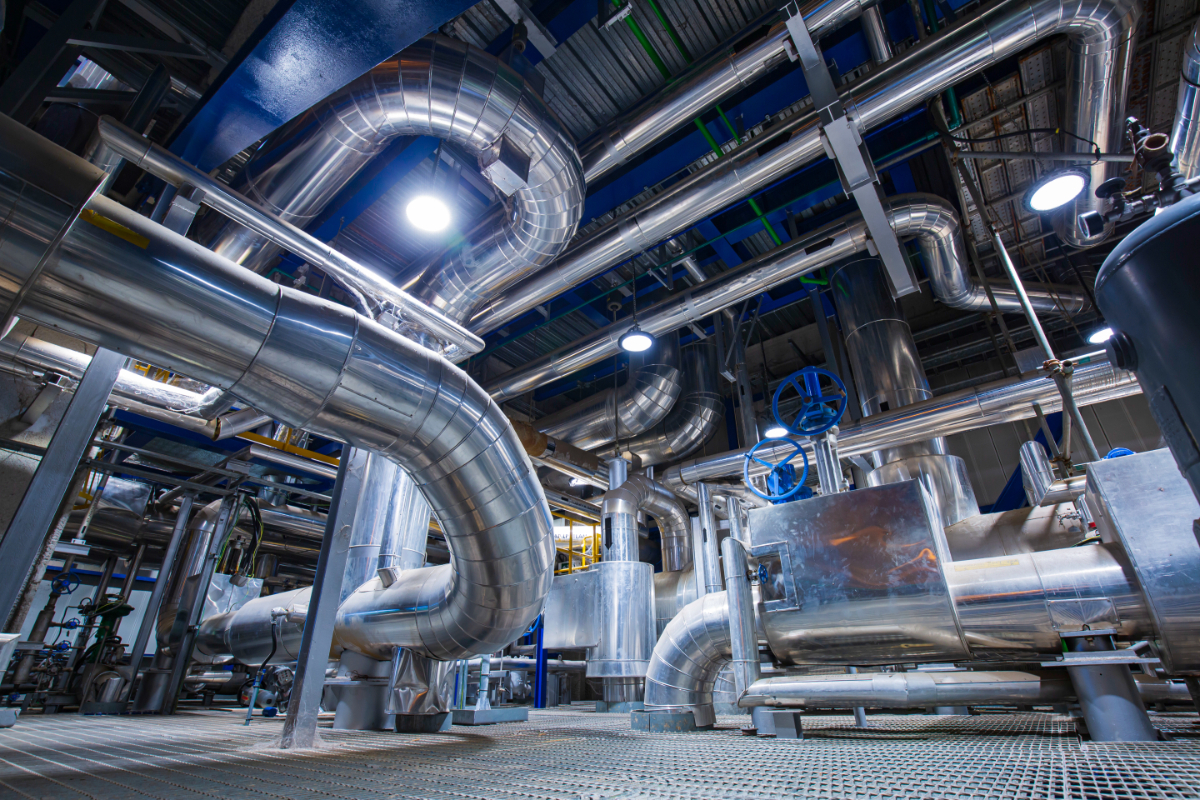
Learn about the common industries that rely on hydrostatic testing for equipment safety and reliability, from oil and gas to manufacturing. This essential non-destructive method helps companies check whether pipes, tanks, cylinders, boilers, and other pressure vessels can withstand real-world pressure before they are placed into service. By using water instead of air or gas in many applications, hydrostatic testing helps reduce risk while...
Posted by: Admin on: Read More
When Do I Need To Hire A Mobile Welder
- Posted by:
- Admin
- Tags:
- Mobile Welding,Gates,Fencing,Costs,Remote
- Posted date:

Mobile welding offers expert on-site metalwork, which is ideal for large, fixed, or urgent projects that cannot easily be moved to a workshop. Whether you need repairs at a business premises, welding work on a construction site, or help with machinery at a remote location, hiring a mobile welder can save time, reduce delays, and provide real convenience. This article explains what mobile welding is, when you may need to hire a professional...
Posted by: Admin on: Read More
What Is Hydrostatic Testing and Why Is It Important
- Posted by:
- Admin
- Tags:
- hydrostatic testing,advice,pressure testing,safe pressure testing
- Posted date:
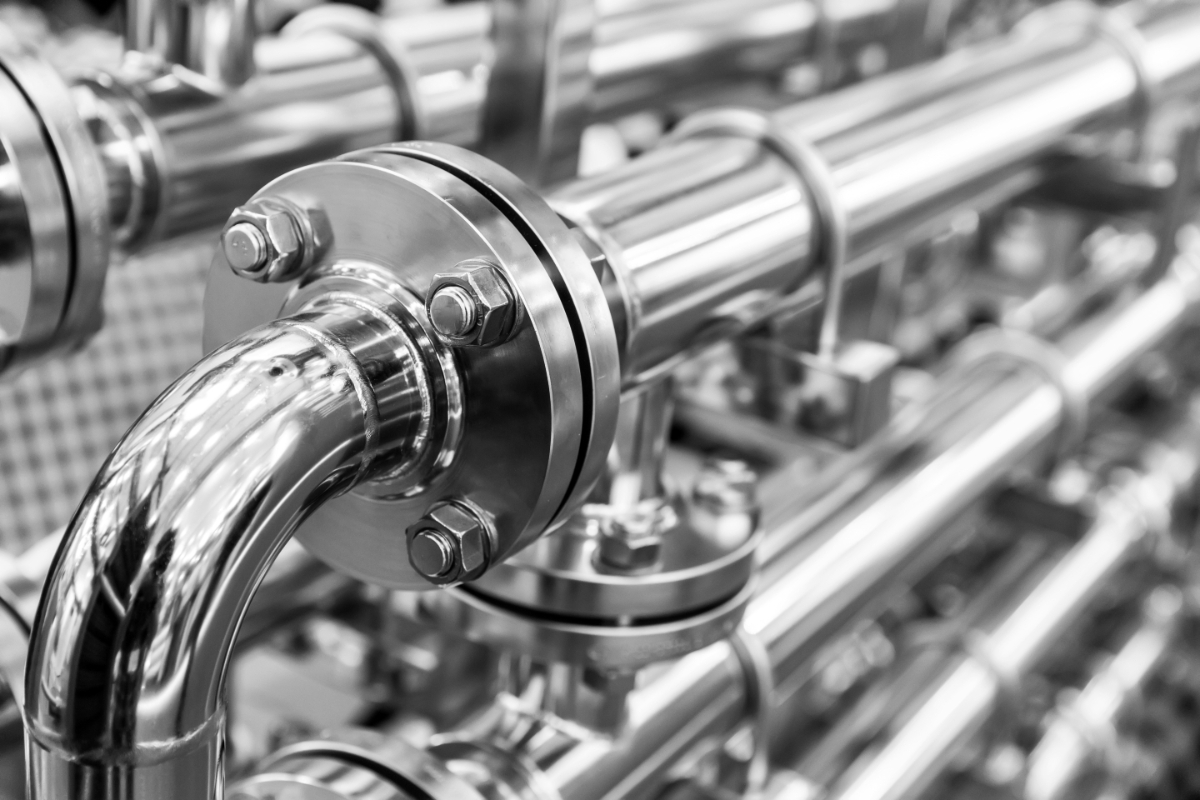
Are you curious about hydrostatic testing and why it is important? Hydrostatic testing is an essential pressure testing method used to check the integrity, strength and safety of pipelines, pipes, pressure vessels, storage tanks and other pressurised systems. It helps detect leaks, find defects and verify that equipment can withstand the pressure required during normal operation. A hydrostatic test is often carried out before a new system...
Posted by: Admin on: Read More
Is Structural Steel Right for Your Home Build
- Posted by:
- Admin
- Tags:
- steel, structural, home, build, residential, construction, beams, columns, strength, durability, safety, design, flexibility, openplan, engineers, builders, costs, planning, regulations, installation, maintenance, materials, sustainability, extensions, renovation
- Posted date:

Considering if structural steel is right for your home build? Discover how steel beams support large openings, offer strength, and enable modern, open-plan designs. Structural steel is used to carry weight and provide support within a building. In a home, this often means using steel beams, columns, frames or plates to support floors, walls, roofs or wide openings. One of the most common uses is when a load-bearing wall is removed. A...
Posted by: Admin on: Read More
Structural Steel Guide for Homeowners
- Posted by:
- Admin
- Tags:
- steel, structural, beams, columns, homes, homeowners, building, construction, extensions, renovation, support, strength, safety, engineers, regulations, permission, costs, installation, maintenance, fireproofing, longevity, materials, suppliers, contractors, foundations
- Posted date:
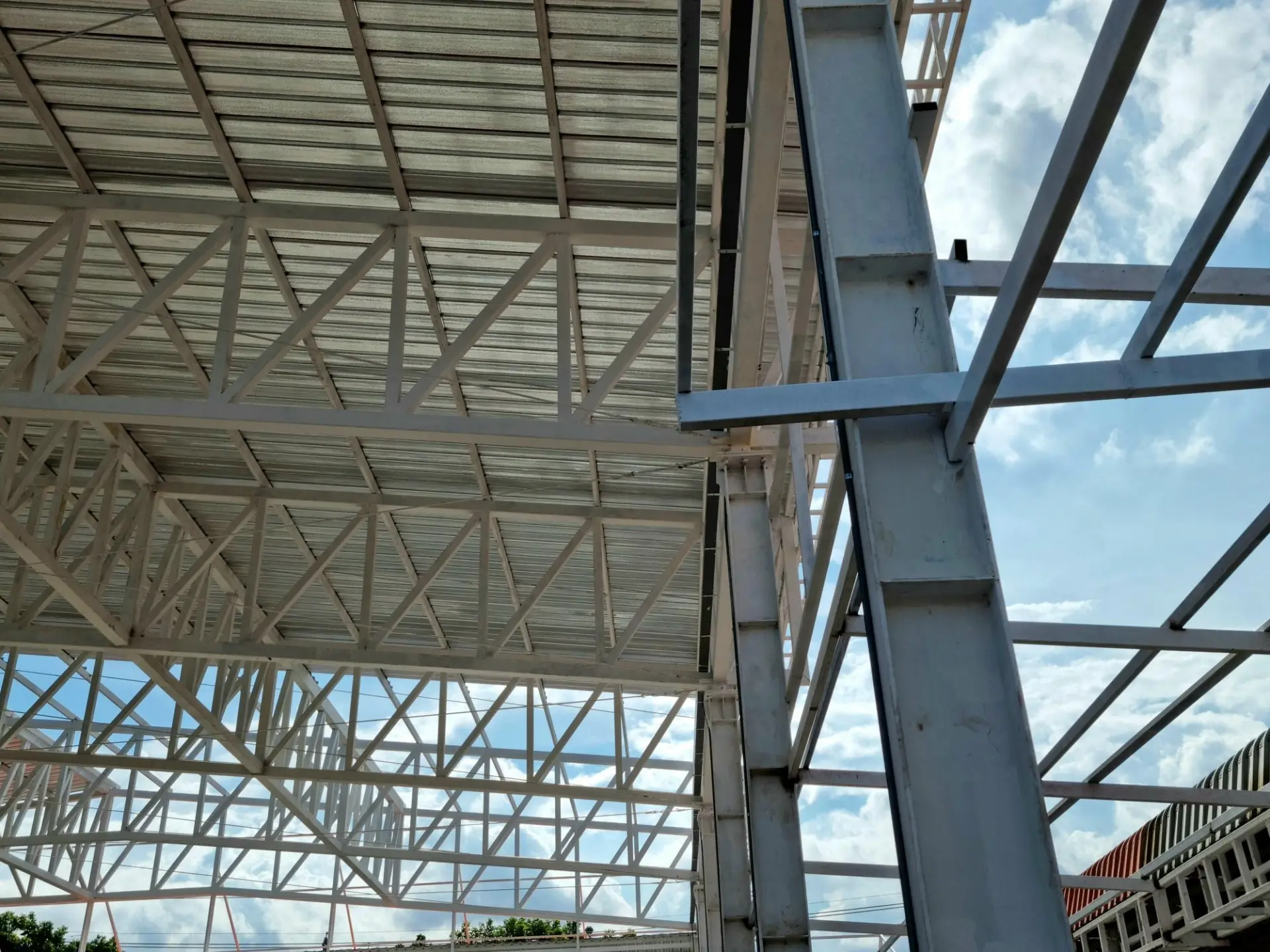
Get expert insights with our structural steel guide for homeowners. Find out how steel supports larger rooms, SWIFT installation, and meets UK building standards. Structural steel is used in many homes across the UK because it is strong, reliable and able to carry heavy loads over long spans. This makes it useful when a wall is removed, a larger room is created, or a new part of the home needs extra support. In lots of older homes, internal...
Posted by: Admin on: Read More
Why Structural Steel Is Popular in Commercial Buildings
- Posted by:
- Admin
- Tags:
- Structural Steel,Commercial Buildings,Design,Cost,Large Buildings
- Posted date:
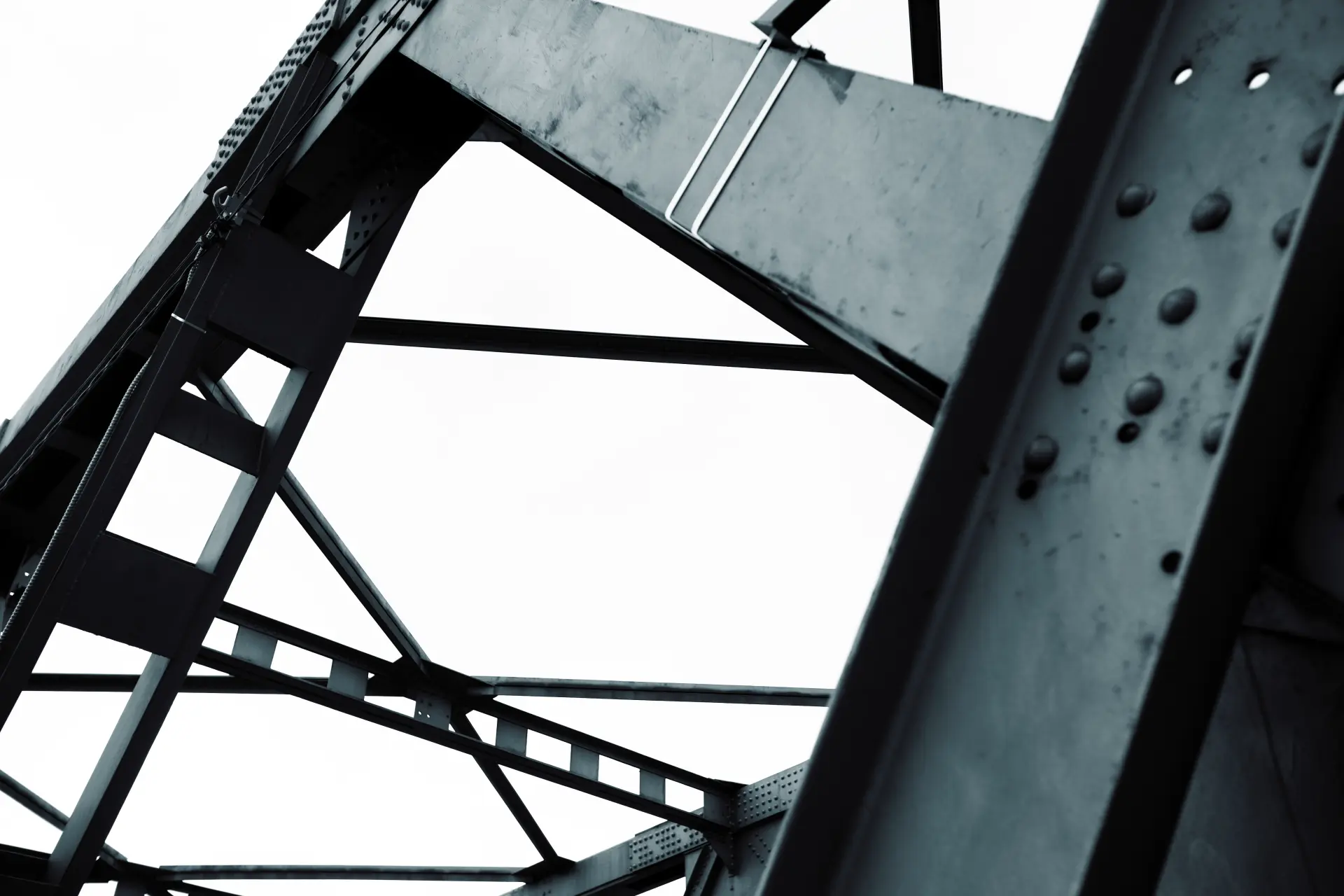
Structural steel is widely used in commercial construction across the UK. Its unique mix of strength, flexibility, and reliability makes it a key material in modern building projects. Whether for office towers, warehouses or retail centres, steel continues to meet the growing need for durable, cost effective solutions in commercial developments. Builders, architects, developers and businesses are turning to structural steel for faster builds,...
Posted by: Admin on: Read More
The Impact of Poor Pipe Fitting on Industrial Operations
- Posted by:
- Admin
- Tags:
- pipe fitting,pipe systems,pipe installation,pipe repair,pipe risks
- Posted date:

Discover the impact of poor pipe fitting on industrial operations. Explore the causes, consequences, and best practices that help prevent inefficiencies, safety risks, and costly failures across industrial systems. Poor pipe fitting in industrial operations often begins with a combination of weak planning, incorrect installation, and a lack of attention to detail. One major issue is the lack of skilled labour. When workers are not...
Posted by: Admin on: Read More
How Hydrostatic Testing Ensures Equipment Safety
- Posted by:
- Admin
- Tags:
- hydrostatic testing,hydrostatic equipment,safety checks,health and safety
- Posted date:

How does hydrostatic testing help ensure equipment safety? It is a vital method for checking whether pressurised equipment can operate safely, reliably, and in line with safety standards. In many industries, hydrostatic testing is essential for reducing risk, finding defects early, and helping equipment deliver safe long-term operation. Hydrostatic testing assesses the integrity and safety of equipment that operates under pressure...
Posted by: Admin on: Read More
Common Valve Failures And How To Prevent Them
- Posted by:
- Admin
- Tags:
- valves, leakage, gaskets, torque, packing, seats, seals, stems, sticking, seized, corrosion, chloride, pitting, porosity, offshore, salt, maintenance, inspection, lubrication, alignment, overheating, thermal, shock, cavitation, flashing, erosion, wear, materials, stainless, duplex, elastomers, graphite, ptfe, filtration, strainers, actuator, vibration, noise, reliability, safety
- Posted date:
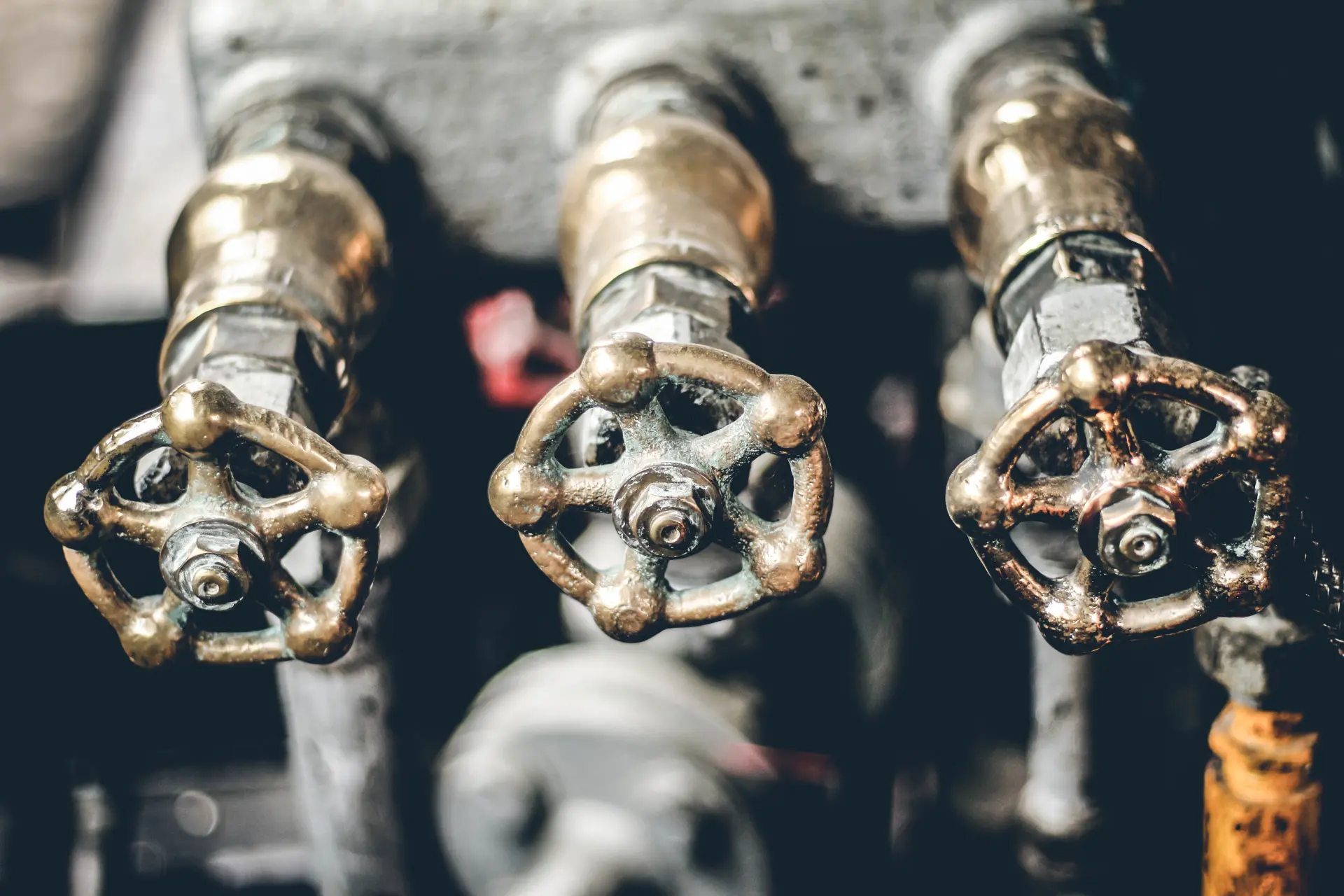
Valves are essential parts in many industrial applications because they control flow, isolate equipment, and protect the wider system. When a valve failure happens, it can lead to leakage, poor performance, lost efficiency, safety issues, and unplanned downtime. In some cases, common valve failures also increase the risk of damage to nearby products, pipework, and other internal components. Understanding the common causes of valve failures...
Posted by: Admin on: Read More
The Role of Structural Steel in Modern Construction
- Posted by:
- Admin
- Tags:
- innovation, steel, construction, sustainability, recycling, technology, design, architecture, engineering, materials, future, strength, durability, efficiency
- Posted date:
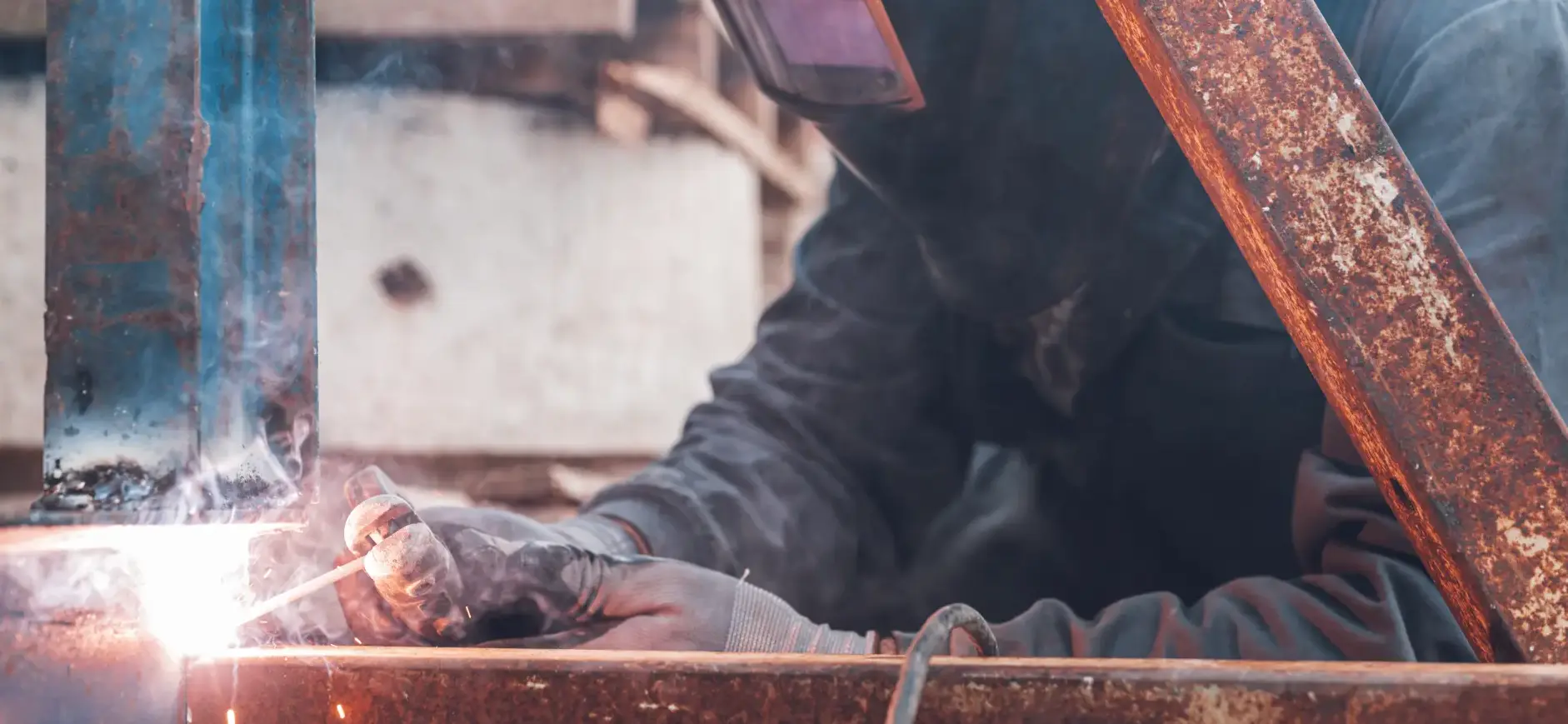
Discover the role of structural steel in modern construction. Learn how it supports tall buildings, bridges, and infrastructure with strength and speed, while meeting modern needs for quality, sustainability, and long-term durability. Structural steel plays a major role in the overall construction of high rise buildings. Its high strength to weight ratio allows building developers to design tall, slender structures that have the...
Posted by: Admin on: Read More
Preventive Maintenance For Long Valve Life
- Posted by:
- Admin
- Tags:
- valves, maintenance, safety, isolation, lockout, tagout, venting, tools, spares, torque, spanners, gauges, callipers, sealant, antiseize, grease, lubrication, gearbox, bearings, stems, glands, packing, seals, seats, gaskets, leaks, inspection, corrosion, rust, coatings, cleaning, testing, pressure, temperature, records, actuators, fasteners
- Posted date:
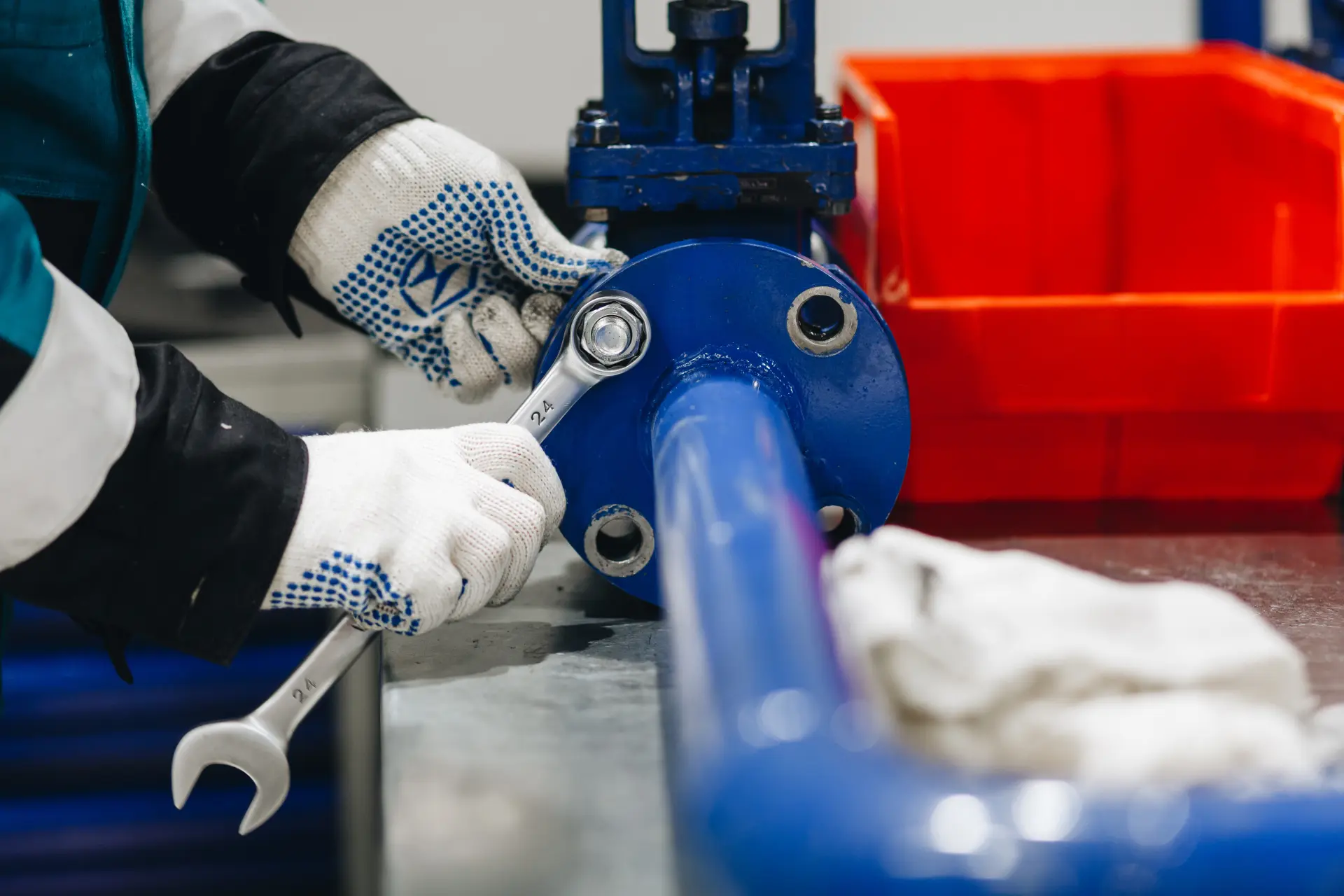
Before touching any valve, isolate the line and confirm it is at zero energy. Lock out and tag out the source so no one can open a feeder or start a pump by mistake. Vent or drain the trapped pressure, and test the body with a small crack at a bleed point to ensure it is safe. Treat every valve as pressurised until you prove otherwise with the right checks. Always wear the correct PPE (personal protective equipment) for the specific fluid and the...
Posted by: Admin on: Read More
Structural Steel vs Other Building Materials
- Posted by:
- Admin
- Tags:
- construction, steel, concrete, timber, aluminium, masonry, buildings, materials, durability, strength, cost, safety, fire, design, structures
- Posted date:
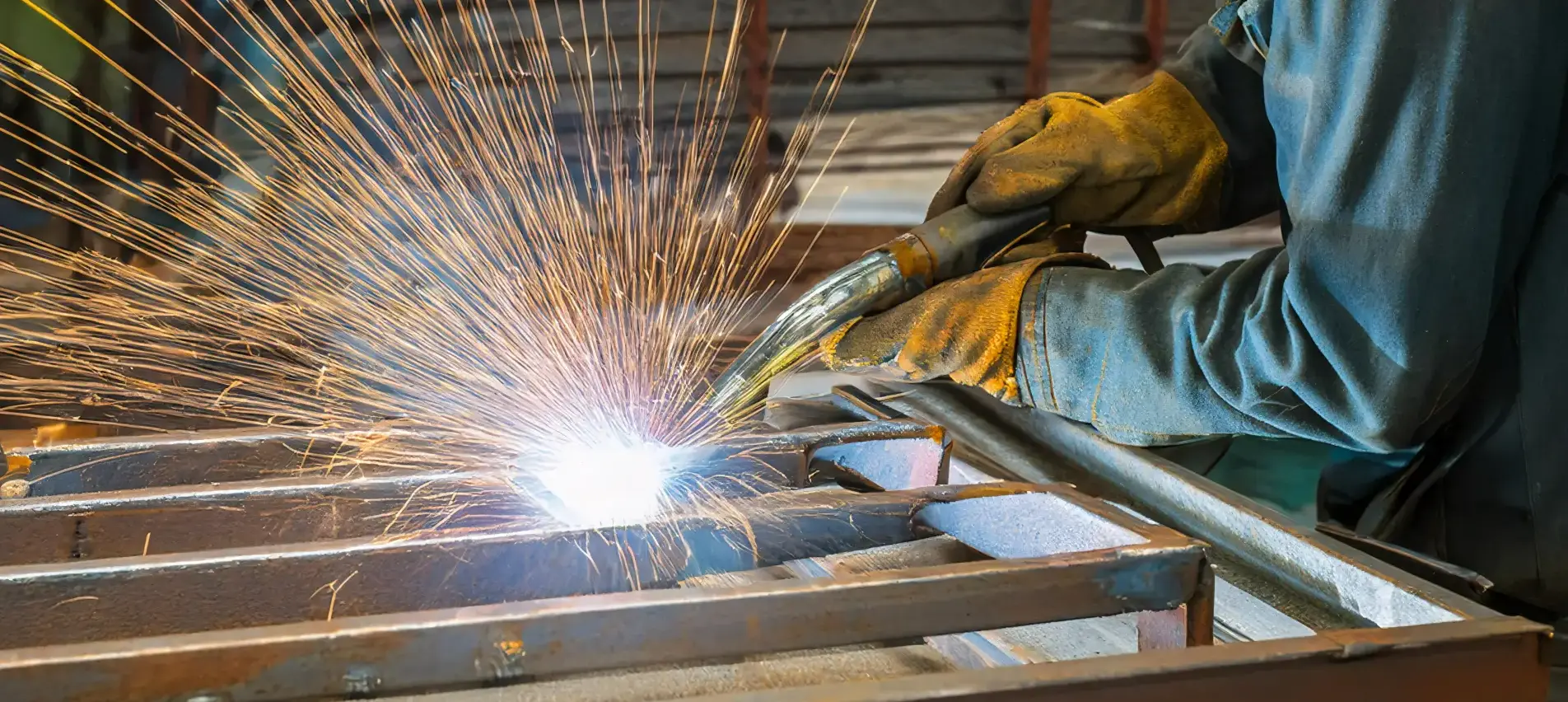
Explore the advantages of Structural Steel vs Other Building Materials for durability, cost-efficiency, and speed. Make informed choices for your construction project. When planning a construction project, it is useful to compare structural steel with other building materials. Several alternatives are often chosen depending on cost, design goals, and environmental factors. Below are some of the most common options. Concrete is one...
Posted by: Admin on: Read More
Hydrostatic Testing for Firefighting Equipment
- Posted by:
- Admin
- Tags:
- hydrostatic testing,firefighting equipment,health and safety regulations,hydrotesting guide
- Posted date:
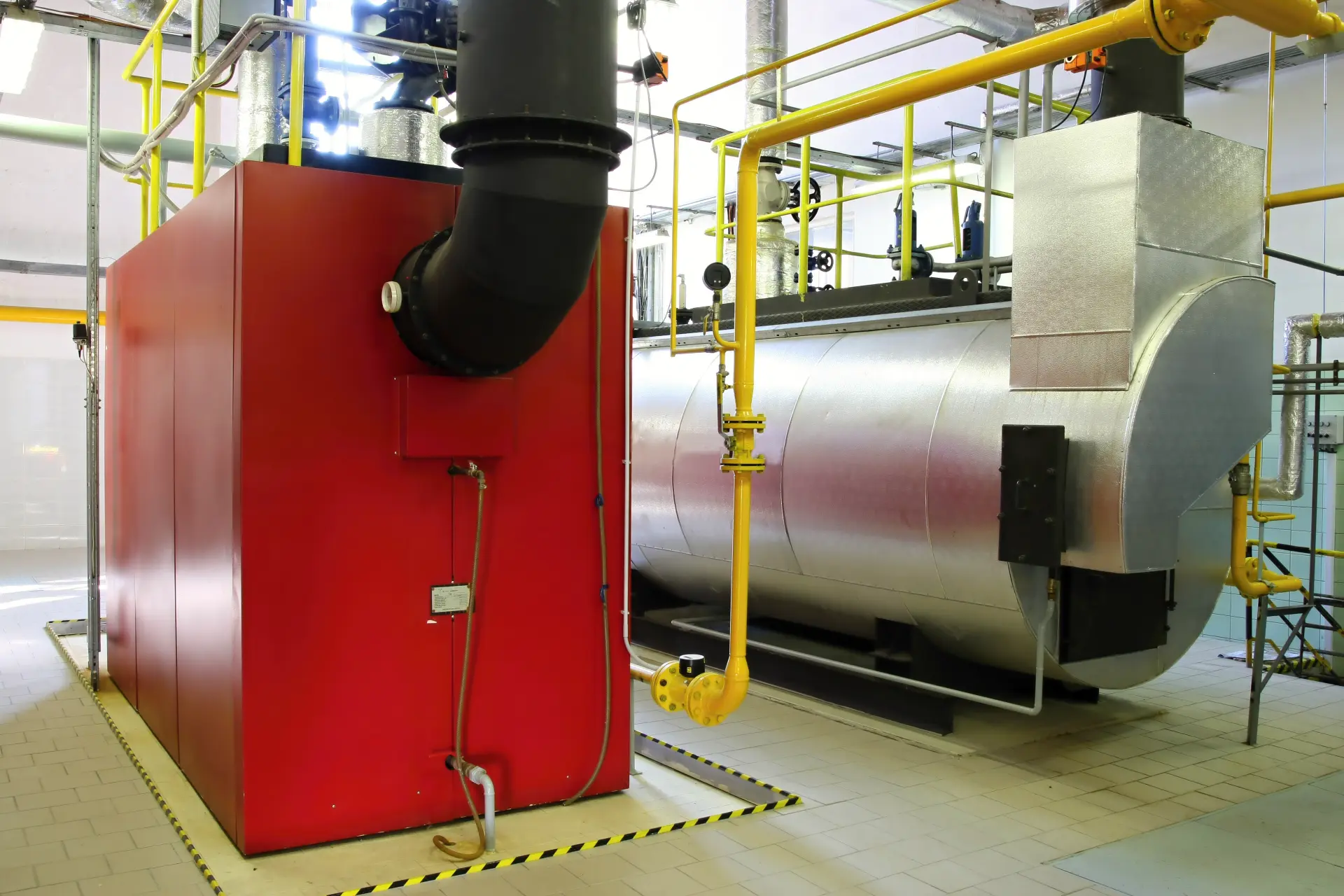
Find out more about hydrostatic testing for firefighting equipment. Hydrostatic testing ensures your gear’s safety, durability, and compliance. Firefighting equipment must work flawlessly the first time, every time. Hydrostatic testing verifies the integrity of hoses, nozzles, hydrants, portable fire extinguishers, and breathing-air (SCBA) cylinders. By proving that these components can safely withstand high amounts of pressure,...
Posted by: Admin on: Read More
How Hydrostatic Testing Protects Water Supply Systems
- Posted by:
- Admin
- Tags:
- hydrostatic testing,water contamination,water testing and prevention,hydrostatic testing guide
- Posted date:
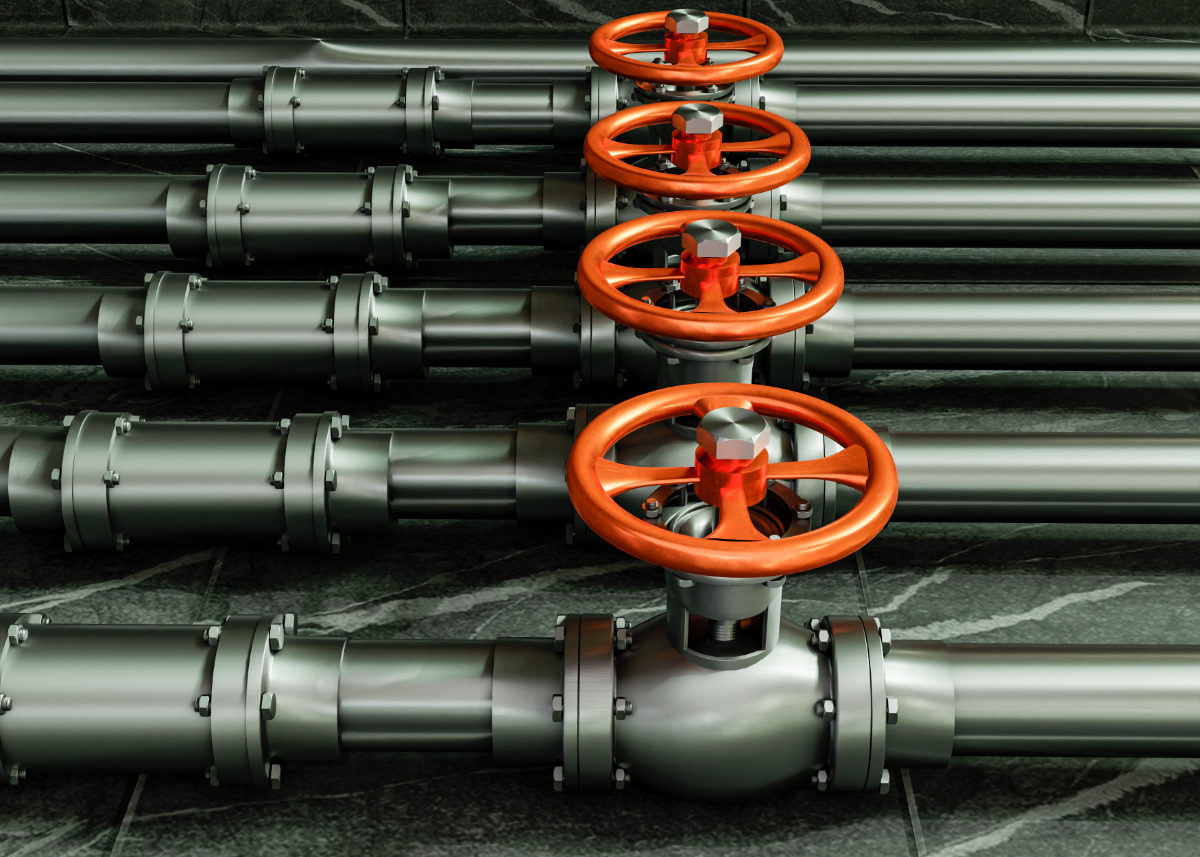
Discover how hydrostatic testing protects water supply systems by detecting leaks and ensuring they are structurally sound, safe and compliant. Hydrostatic testing is essential for verifying the strength and integrity of water supply systems. Hydrostatic testing works by filling pipes or tanks with water and pressurising them beyond their normal operating levels to detect leaks and structural weaknesses before the system goes into service. Hydrostatic...
Posted by: Admin on: Read More
Common Industries That Use Bespoke Fabrication
- Posted by:
- Admin
- Tags:
- energy, utilities, power, gas, water, renewables, fabrication, infrastructure, safety, equipment, maintenance, systems, platforms, enclosures, supports, installation, durability, access, housing, brackets
- Posted date:
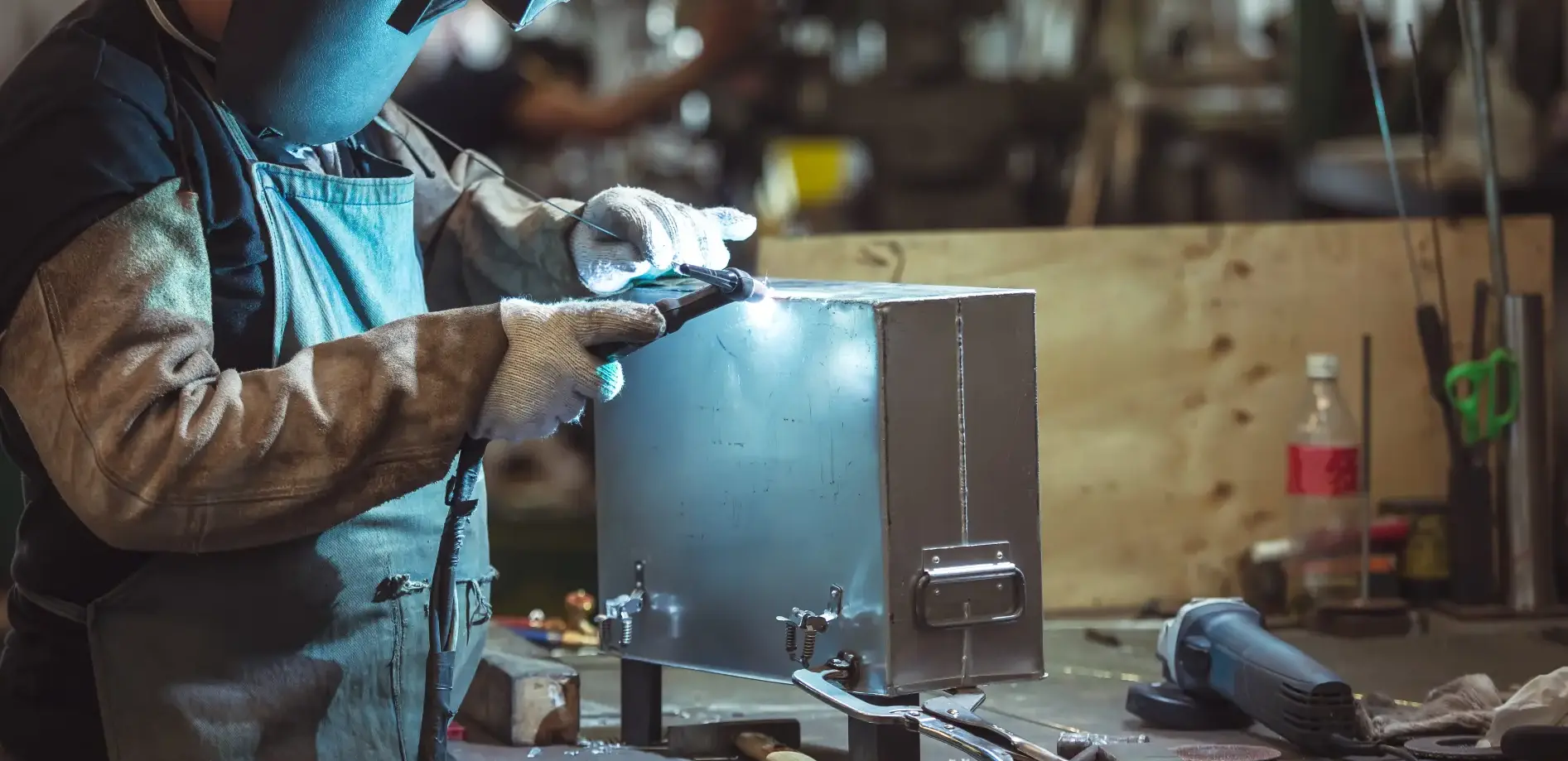
Explore how industries that use bespoke fabrication benefit from tailored manufacturing, improving durability, safety, and performance for construction, public sector, and more. Construction, manufacturing, and building tend to be the most common industries relying on bespoke fabrication to carry out work. These essential sectors often need brand-new parts and structures to match the exact sizes, shapes, and functions of your project. When...
Posted by: Admin on: Read More
The Main Uses of Custom Fabrication in Construction
- Posted by:
- Admin
- Tags:
- construction, fabrication, custom, components, materials, design, architecture, equipment, safety, efficiency, site, machinery, building, structure, finishes, benefits, accuracy, modification, features, installation
- Posted date:
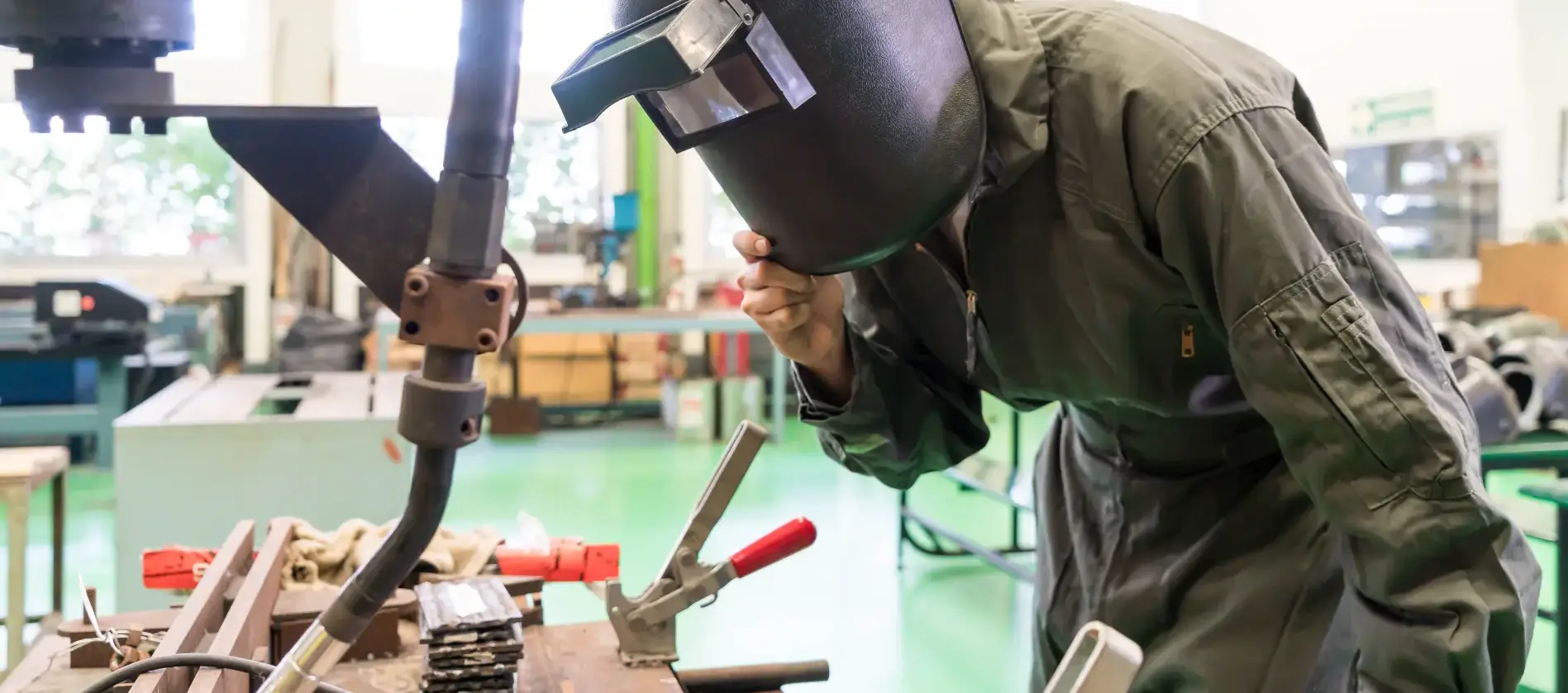
We explore the main Uses of custom fabrication in construction. Custom fabrication ensures precise parts, enhance safety, and optimise project efficiency. Discover how customised components benefit your build. Custom fabrication is the concept of designing and producing materials or components that meet the specific needs of a project. This usually involves cutting, shaping, or assembling materials, for example, metal, plastic, or wood,...
Posted by: Admin on: Read More
Items That Require Hydrostatic Testing
- Posted by:
- Admin
- Tags:
- Hydrostatic Testing,Pipelines,Fire Extinguishers,Pressure Vessels,Heating Systems
- Posted date:
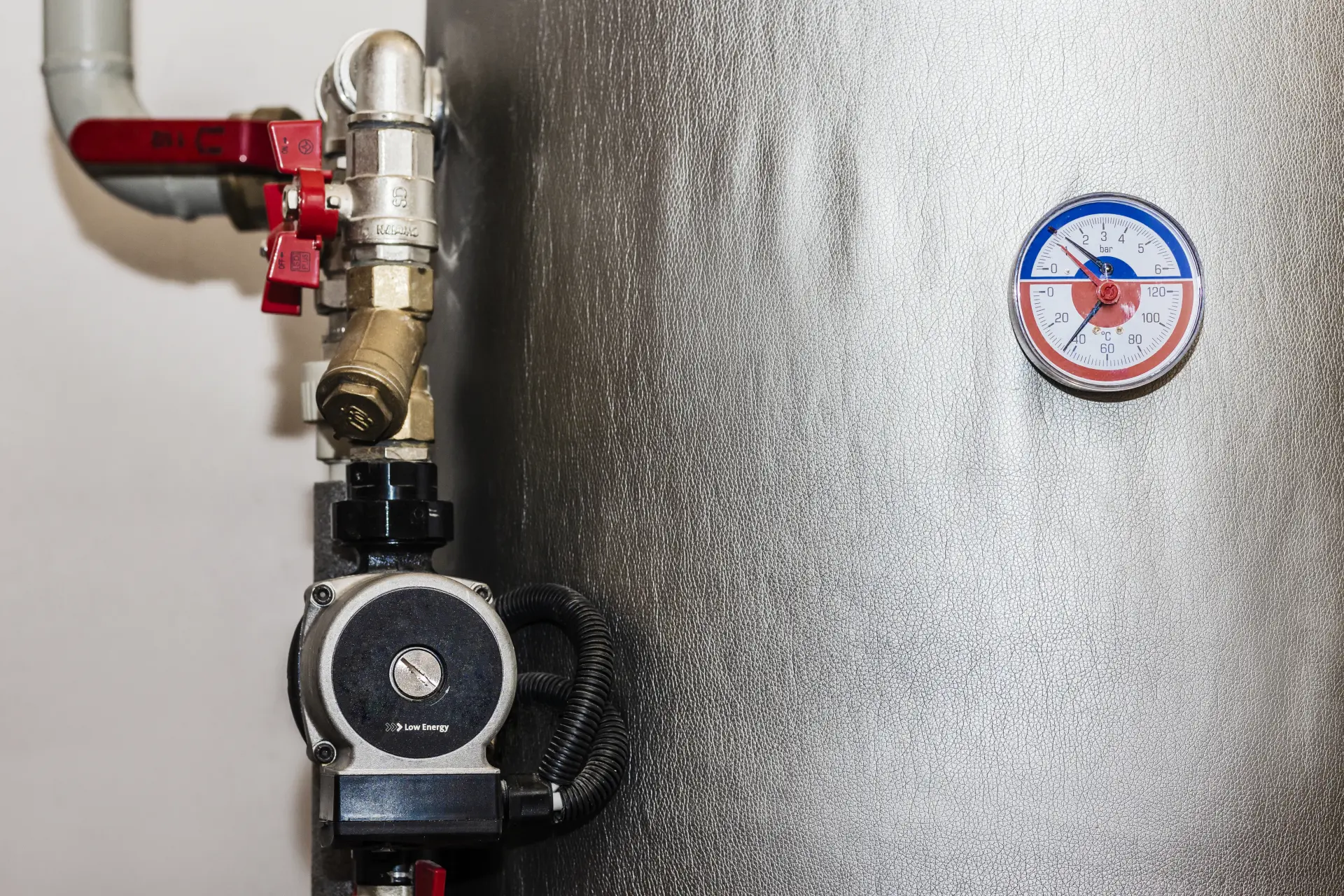
Hydrostatic testing is a safety process used to check the strength and leak-tightness of many types of equipment. It uses water to test for leaks or weak points. The pressure applied during the process helps reveal any damage or flaws in the item being tested. Discover common items that require hydrostatic testing, including pipelines, boilers, and pressure vessels. Learn why this process is essential for safety and leak prevention. Pipelines...
Posted by: Admin on: Read More
The Main Types of Structural Steel and Their Uses
- Posted by:
- Admin
- Tags:
- Structural Steel,Steel Types,Steel Uses,Strength,Construction
- Posted date:

Structural steel is a strong, reliable material used in a wide range of construction projects. Different types of steel offer different benefits, including resistance to corrosion, shape flexibility, and high strength. Here's a breakdown of the most commonly used structural steels and where they're best applied. This article looks at the main types of structural steel and their uses. Mild steel is one of the most...
Posted by: Admin on: Read More
Key Properties of Structural Steel
- Posted by:
- Admin
- Tags:
- Structural Steel,Strength,Durability,Recyclability,Ductility
- Posted date:
Explore the key properties of structural steel, including strength, ductility, toughness, and weldability. Structural steel is a popular choice in construction due to its strength, durability, and versatility. Made primarily from iron and carbon, it can be shaped and formed to meet the needs of many types of structures. What sets structural steel apart is its combination of physical and chemical properties that offer reliability...
Posted by: Admin on: Read More
The Benefits of Coded Welding for Industrial Pipework
- Posted by:
- Admin
- Tags:
- coded pipe welding,safety standards,risk reduction,pipe welding codes and standards
- Posted date:
Reduce costs and boost efficiency with coded welding for industrial pipework. Invest in defect-free, strong joints that withstand demanding conditions. Coded pipe welding ensures that industrial pipework is constructed to the highest standards regarding strength and durability. Coded welders follow strict procedures set by ASME and BS EN to create high-quality welds that can withstand temperature fluctuations, extreme pressures and mechanical...
Posted by: Admin on: Read More
Which Industries Require Coded Pipe Welders
- Posted by:
- Admin
- Tags:
- pipe welding,coded pipe welding,pipelines,welding
- Posted date:
Discover how many industries require coded pipe welders! Our services span water & waste plants, shipbuilding, petrochemicals & power generation. The water and waste treatment industry relies heavily on coded pipe welders to ensure the efficiency of its infrastructure. These facilities use a network of pipes to transport chemicals, water and waste materials, making high-quality welding essential to prevent leaks, contamination,...
Posted by: Admin on: Read More