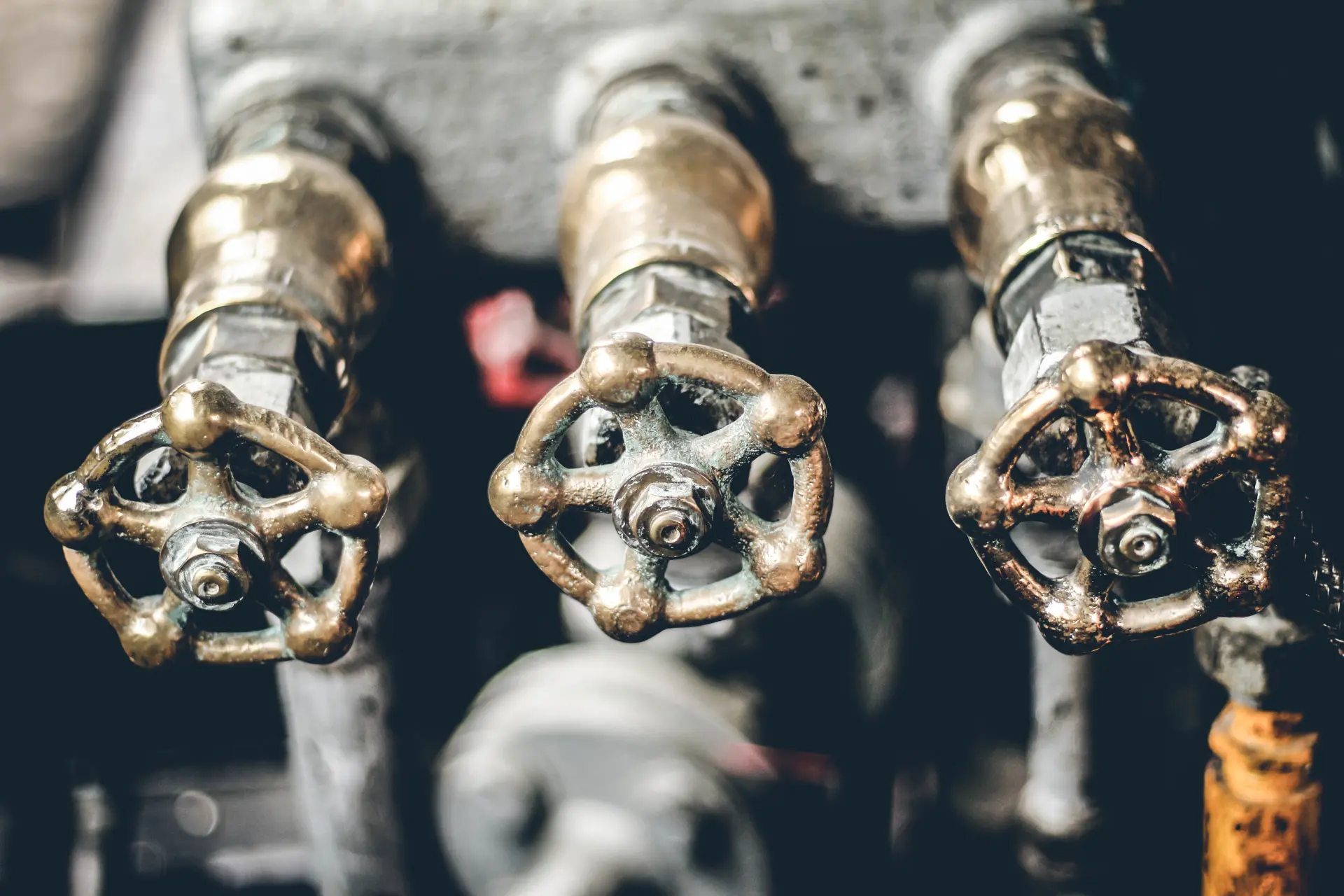
Valves are essential parts in many industrial applications because they control flow, isolate equipment, and protect the wider system. When a valve failure happens, it can lead to leakage, poor performance, lost efficiency, safety issues, and unplanned downtime.
In some cases, common valve failures also increase the risk of damage to nearby products, pipework, and other internal components. Understanding the common causes of valve failures is the first step towards better reliability, safer operation, and stronger long-term performance.
Leak Paths, Seats, Seals, And Packing
Leaks often start at joints, flanges, and threaded connections, where small gaps can develop over time. Vibration, poor gasket choices, debris on sealing surfaces, or uneven bolt loading can all lead to leakage. Thermal cycling can also loosen fasteners and crush gaskets, which creates a wider leak path. What begins as a light mist can quickly become a serious problem if it is not addressed through regular maintenance and inspection.
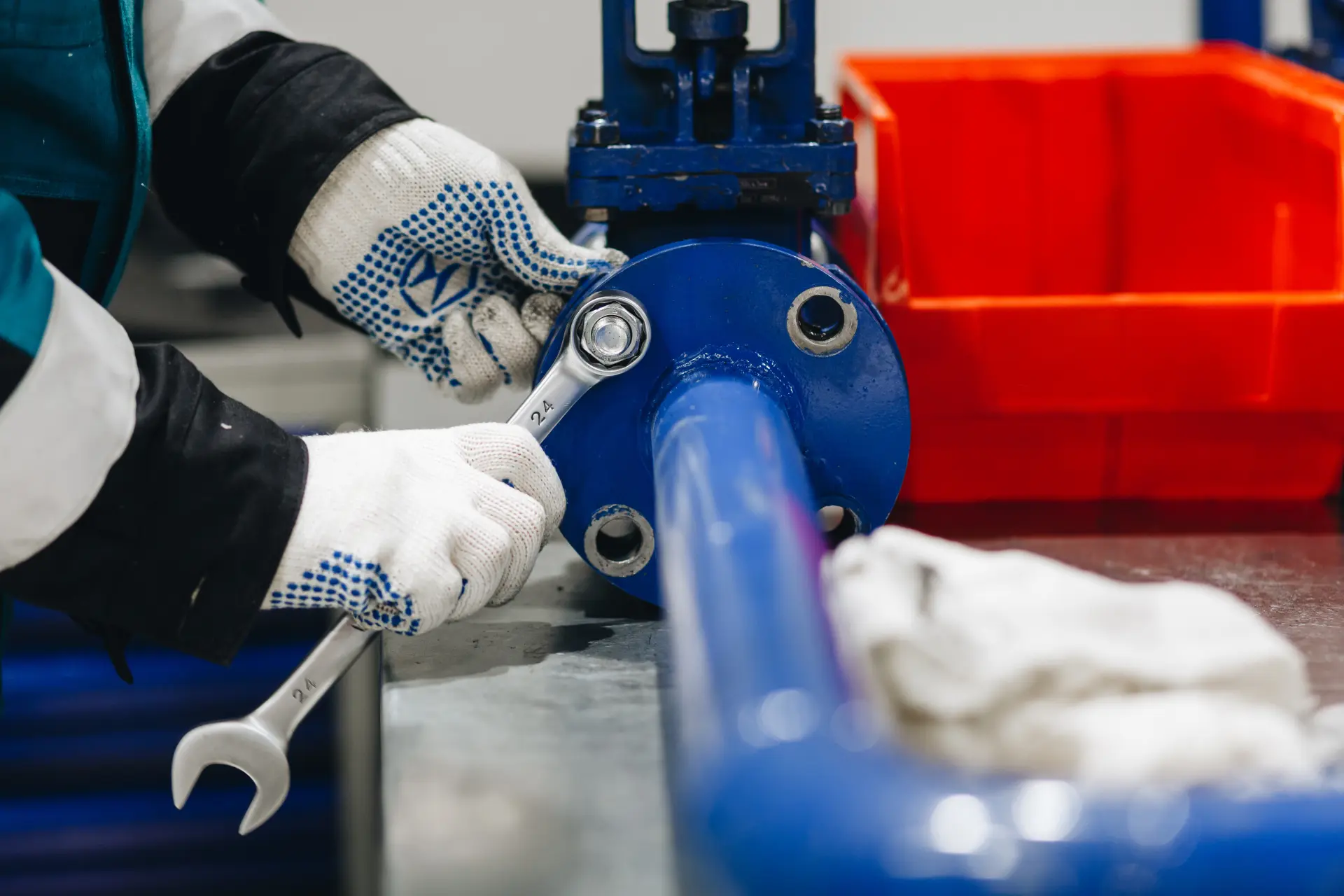
Prevention begins with sound joint design and careful installation. It is essential to choose gaskets that suit the pressure, temperature rating, media, and valve body design. Clean all mating faces before assembly, inspect for signs of wear, and use a calibrated torque sequence so bolt loads remain even. During commissioning, routine inspections can help confirm that everything is sealed correctly. Keeping maintenance records also helps teams follow proper standards and reduce the chance of repeat valve problems.
Body and bonnet joints are another common source of leaks. Casting flaws, pitting, corrosion, or erosion in the gasket groove can stop seals from doing their work. If the valve body has been weakened by wear and tear, the result can be repeated leakage and premature failure. During overhaul, inspect these areas carefully and repair minor damage where possible. If the body shows wider damage, replacement is often the safest choice.
Seats and soft seals wear every time the valve opens and closes. Hard particles in the flow rate can score sealing surfaces and stop a tight shut-off. High temperature service can harden elastomers and reduce flexibility, while chemical contamination can cause swelling, shrinkage, or cracking. Over time, this type of wear can lead to leaks, poor flow control, and reduced valve performance.
To prevent these issues, material selection must match the application. Filled PTFE, EPDM, FKM, graphite, stainless steel, and other corrosion-resistant materials all have their place depending on the media and operating conditions. In dirty systems, strainers and filters should be fitted upstream to keep debris away from the sealing surfaces. In severe service, high-quality metal seats or hard-faced trims can improve reliability and resist erosion.
Packing must strike the right balance between sealing and stem movement. If packing is too tight, friction rises, and the stem can stick or suffer damage. If it is too loose, leakage can escape around the stem and create safety concerns, especially in gas service. Packing rings should be installed cleanly, cut square, and placed in the correct order. Live-loading can also help maintain sealing force over time and reduce the risk of early leaks.
Sticking, Seized Stems, And Poor Valve Operation
A common valve problem is sticking during valve operation. Deposits, scale, dried product, oil residue, or other contamination can collect around the stem and guides. This creates friction that slows movement or stops the valve from closing and opening fully. Lack of proper lubrication makes the problem worse and can lead to poor control, slow response, and extra wear on internal parts.
This can be prevented by keeping the process as clean as possible and selecting valves designed for the duty. In some applications, heat tracing or insulation helps stop products from setting around moving parts. Stem seals, bellows, and protective covers can reduce contamination and help ensure proper movement. It is also wise to choose actuators with enough thrust to overcome expected resistance without overstressing the valve components.
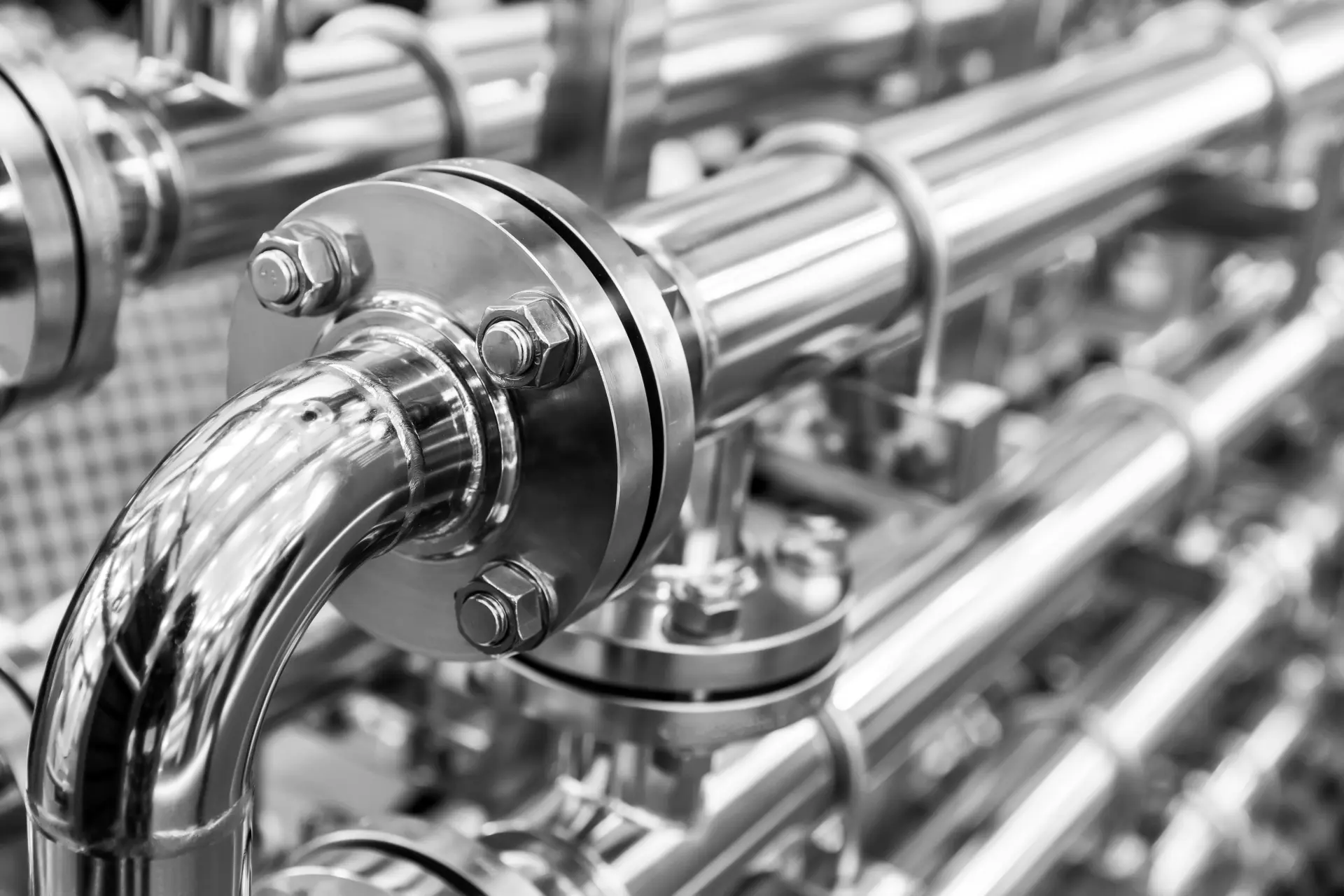
Corrosion can also seize a stem to the bonnet or gland and make the valve harder to operate. Moisture, washdown water, and chlorides attack exposed metal surfaces over time. Once corrosion starts, movement becomes rough, and forced operation can score the stem, damage guides, and shorten the life of the valve. These are all signs that maintenance is needed before a complete valve failure develops.
Choosing corrosion-resistant stem materials, including stainless steel grades where suitable, can reduce this risk. Proper lubrication at assembly and during regular maintenance is also essential. Additionally, weather shields, drain paths, and better enclosure design can stop water from collecting around vulnerable parts. These simple steps improve reliability and help prevent common failures in wet areas.
Corrosion In Wet, Chemical Or Salty Service
Corrosion is one of the leading causes of valve failures in harsh service. Wet conditions, salt spray, aggressive chemicals, and trapped moisture can all attack metal parts. In coastal or offshore settings, corrosion can damage the valve body, flanges, bolting, and internal components. In chemical duty, the wrong material selection may result in rapid attack, leakage, and premature failure.
Preventing corrosion starts with valve selection. The correct valve for the medium, temperature, and pressure range must be chosen from the start. Stainless steel may perform well in many services, but chloride-rich conditions may require duplex grades or other corrosion-resistant alloys. Material selection should also consider gaskets, seals, fasteners, and trim so that every part can handle the environment.
Design details matter as well. Crevices under nameplates, clamps, or poorly fitted covers can trap moisture and speed up local attack. Dissimilar metals may also create galvanic corrosion, which can cause one part to fail faster than expected. To prevent this, it helps to isolate mixed metals, remove water traps, and inspect coating conditions during routine inspections. Regular inspection of exposed surfaces is essential for long-term reliability.
Overheating, Thermal Shock And Temperature Stress
High-temperature service places extra strain on valves and their internal parts. Seals can harden, gaskets may lose flexibility, and lubrication can break down. If temperature limits are exceeded, valve performance can drop, and leakage may develop. Actuators, accessories, and positioners can also suffer, especially if heat transfers from nearby pipework or exhaust systems.
To prevent overheating, follow proper operating limits and confirm the full assembly is suitable for the application. It is not enough for the valve body alone to meet the rating. Seats, seals, gaskets, lubricants, and actuators must also suit the pressure and temperature conditions. Heat shields, insulation, and regular inspection of critical surfaces help ensure proper performance and reduce the risk of hidden damage.
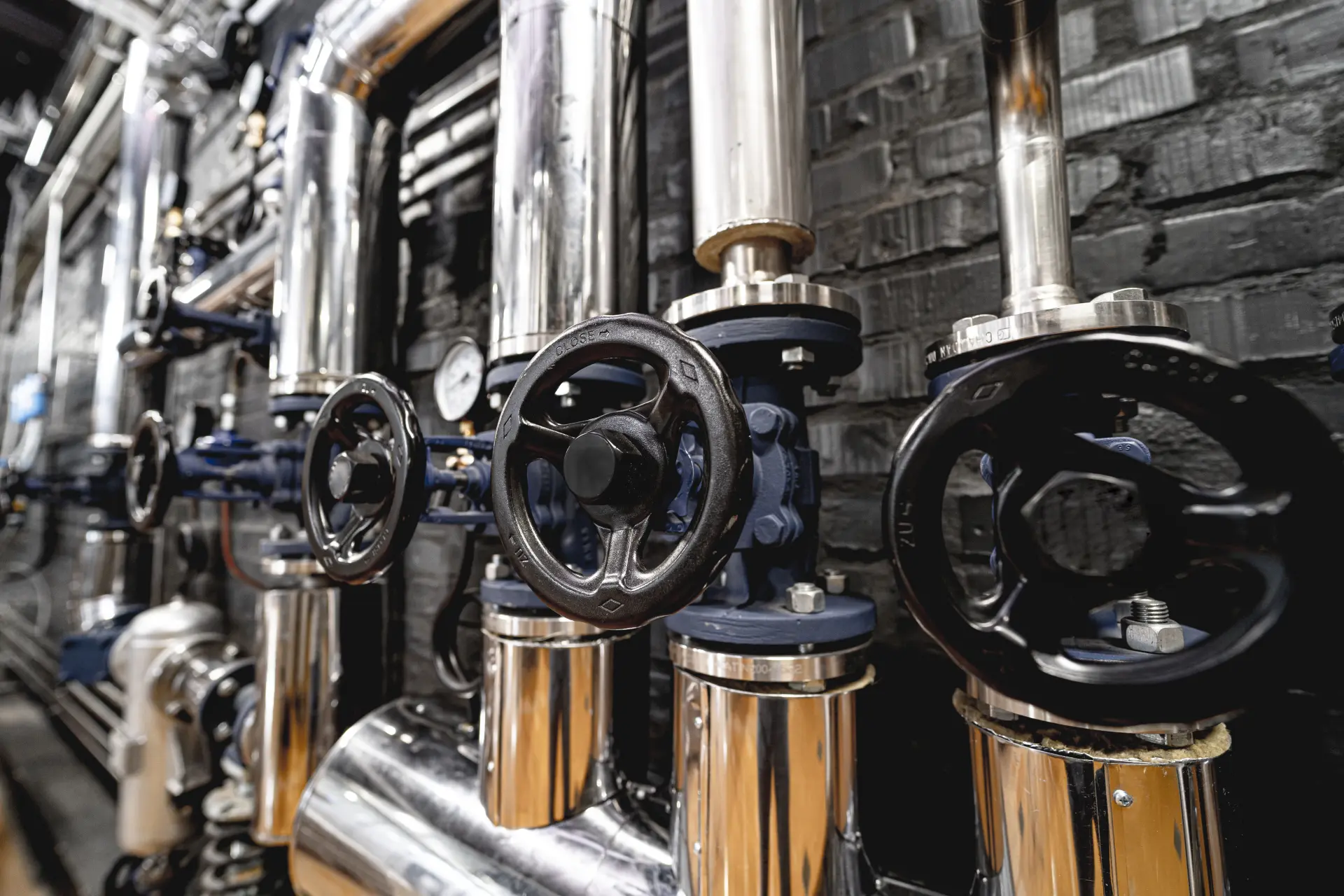
Thermal shock is another serious issue. Rapid changes in temperature can crack liners, distort seats, and stress the valve body. Cold liquid entering a hot system, or hot steam entering a cold valve, can create sudden expansion and contraction. Even if there is no visible damage at first, repeated cycles can lead to wear, misalignment, and long-term reliability issues.
The best way to prevent thermal shock is to warm up and cool down systems in stages. Bypass lines can help equalise conditions before full valve operation begins. Slow-opening controls and clear operating procedures are also important. Teams should follow proper start-up and shutdown methods so that temperature changes remain within safe limits.
Cavitation, Flashing And High Velocity Damage
Cavitation is one of the most common valve failures in liquid service. It happens when pressure inside the valve falls below the vapour pressure and then recovers. Vapour bubbles form and collapse with force near hard surfaces, causing erosion, noise, vibration, and metal loss. Over time, cavitation can damage valve components, reduce flow control accuracy, and lead to valve failure.
Flashing is similar, but the pressure does not recover after the fluid changes state. This creates a fast-moving two-phase stream that can erode internal parts, downstream pipework, and sealing surfaces. High velocity flow and poor valve selection can make flashing damage much worse, especially in systems with a high pressure drop.
To prevent cavitation and flashing, valve selection must take full system requirements into account. Anti-cavitation trim, multi-stage pressure reduction, and larger downstream pipe sizes can all reduce the force of the damage. It is also important to review flow rate, fluid properties, upstream and downstream pressure, and expected valve operation before choosing the final design. Correct sizing is essential because an incorrect valve can create avoidable stress and poor performance from the start.
Erosion, Abrasion And Debris Damage
Not all valve failures are caused by corrosion alone. In many systems, erosion and abrasion slowly remove material from internal parts. Suspended solids, sand, scale, and other debris strike surfaces at speed and wear them away. Over time, this affects sealing surfaces, trim geometry, and flow control accuracy. In severe cases, the valve can fail to close properly or leak even when fully shut.

This type of damage is common in slurry, water treatment, steam, and high-velocity gas applications. The risk increases where flow direction changes sharply or where the valve is forced to work at small openings for long periods. That creates concentrated wear on seats, plugs, cages, and guides.
The best prevention is to keep debris out of the valve and choose products designed for the service. Strainers, filters, and upstream separators reduce contamination before it reaches the valve. Harder materials, surface treatments, and high-quality trim designs can also improve resistance. Regular inspection helps teams spot the early signs of wear before they turn into larger valve problems.
Improper Installation And Incorrect Valve Selection
Improper installation is a common cause of premature failure. Even high-quality valves can fail early if they are fitted the wrong way, exposed to pipe strain, or installed without enough support. Misalignment places stress on the valve body and internal components, while poor flange loading can lead to leakage and damage to gaskets and seals.
Incorrect valve selection creates similar problems. A valve that is not designed for the pressure, temperature, media, or flow rate may not operate as expected. It may wear too quickly, stick during service, or suffer repeated leaks and damage. In some cases, an incorrect valve can also create safety issues if it cannot provide the required shut-off or control.
To avoid these risks, valve selection should always be based on the full application and system requirements. Pressure temperature ratings, corrosion risk, operating frequency, and flow control needs must all be reviewed. Installation teams should also follow proper procedures, confirm alignment, and inspect the valve after fitting. This helps ensure proper operation from day one and supports long-term reliability.
Lack Of Maintenance And Missed Warning Signs
A lack of regular maintenance is one of the leading reasons why common valve failures become serious. Small issues such as minor leaks, vibration, rough closing, or a rise in operating torque are often early signs of wear. If they are ignored, the result can be unplanned downtime, higher repair costs, and more widespread damage across the system.
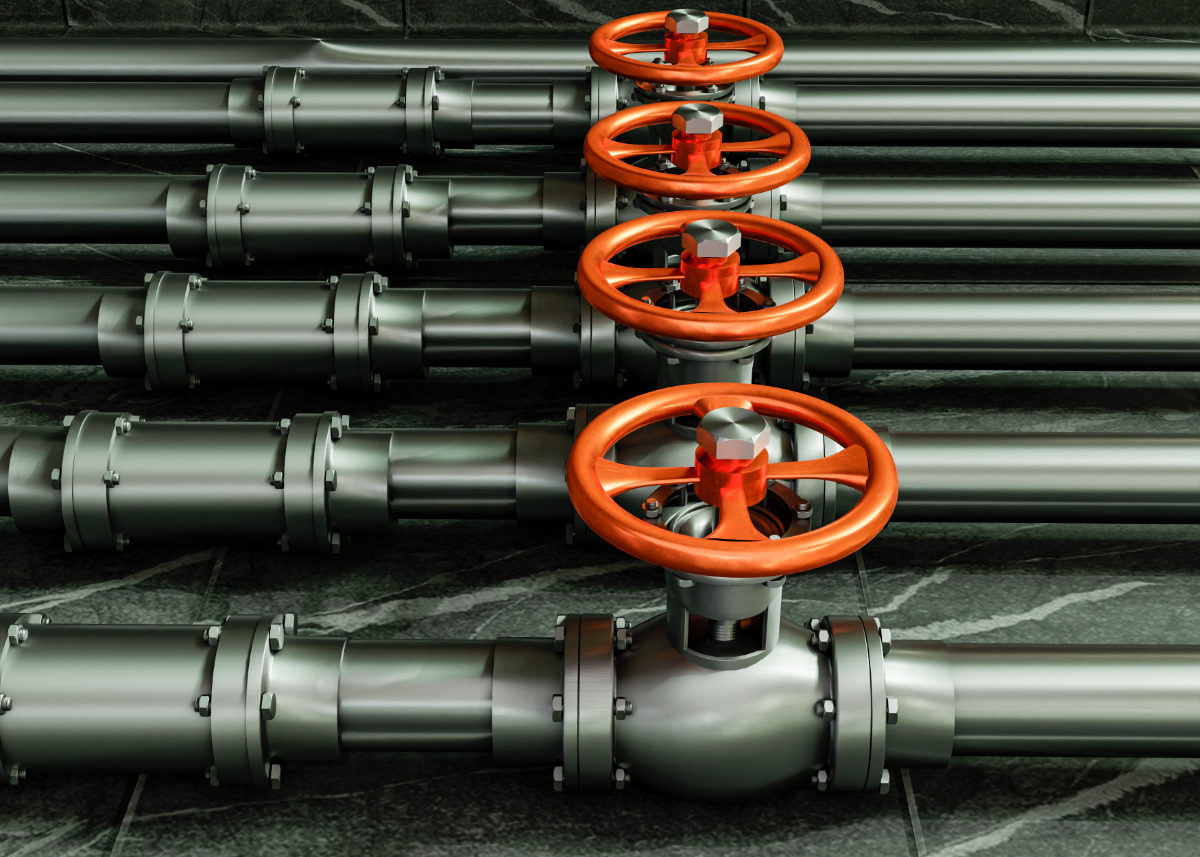
Routine inspections are essential because they give maintenance teams time to act before the valve fails completely. During regular inspection, staff should inspect for corrosion, leakage, loose fasteners, stem scoring, body damage, unusual noise, and poor actuator response. Monitoring trends over time is often more useful than checking once after a problem appears.
A good maintenance plan should include cleaning, lubrication, seal checks, torque verification, and replacement of worn parts before failure occurs. In critical applications, regular maintenance also supports safety and helps protect surrounding equipment. The goal is not only to prevent leaks or sticking but to improve overall efficiency, reliability, and valve performance across the full system.
Why Prevention Matters
When valves fail, the effects are rarely limited to one part alone. Failure can lead to product loss, reduced efficiency, process instability, and costly downtime. In some settings, valve failures may also create environmental and safety risks, especially where gas, chemicals, or high-pressure media are involved. That is why prevention is essential.
The most effective approach combines good valve selection, proper installation, suitable material selection, regular inspection, and routine maintenance. It also requires an understanding of how pressure, temperature, corrosion, cavitation, contamination, and wear affect valve operation over time. When these factors are addressed early, valves are more likely to operate safely, deliver consistent performance, and achieve a longer service life.
Common Valve Failures: Final Thoughts
Understanding the 5 common causes of valve problems and the wider range of common failures seen in real systems helps teams make better decisions. Leaks, sticking, corrosion, cavitation, erosion, overheating, and poor installation can all lead to valve failure if left unchecked. However, the right preventive steps can reduce risk, improve reliability, and protect the system over the long term.
Choosing high-quality products, following proper maintenance procedures, and carrying out routine inspections will help ensure proper valve operation in demanding applications. If you need help with valve selection or want support choosing the right solution for your system requirements, contact us.
If you need valve suppliers near Manchester and the North West contact our high-quality valve supply services for Stockport and the surrounding areas.