Discover how structural steel is manufactured, from raw materials to finished product. Learn how this process ensures strong, reliable steel for UK construction projects.
What Is Structural Steel?
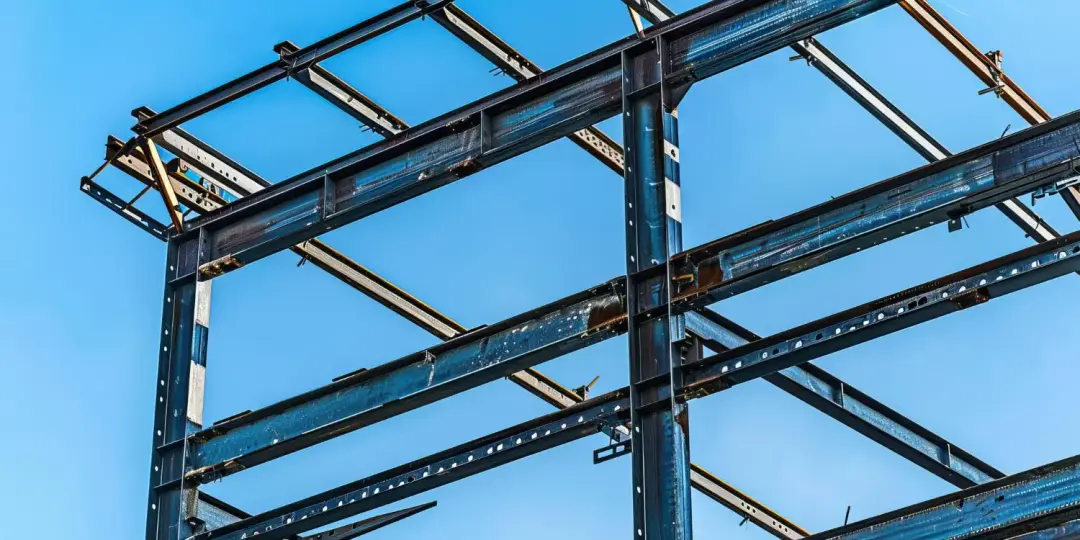
Structural steel is a strong construction material produced in controlled grades and formed into sections that support buildings, bridges and other structures. Common products include beams, columns, channels, angles, plates and hollow sections. Each product is designed to carry particular loads and connect with other structural components. Steel contains iron combined with controlled amounts of carbon and other elements.
Its exact chemical composition affects strength, flexibility, weldability and resistance to wear. Manufacturers follow detailed specifications so engineers can predict how the material will perform. Structural steel may be produced using iron ore and recycled steel, depending on the manufacturing process and production facility.
After the steel is made, it is cast, reheated, rolled, cut, drilled, welded and protected as required. Quality testing takes place throughout production. The finished steel can then be delivered to fabricators or construction sites, ready to form a reliable part of the completed structure.
Which Raw Materials Are Used to Make Structural Steel?
Structural steel can be made from iron ore, recycled steel, limestone, coal and several alloying elements. The exact materials depend on whether the manufacturer uses a blast furnace and basic oxygen furnace route or an electric arc furnace. Both methods produce steel, but they begin with different proportions of new and recycled material.
Iron ore provides the main source of iron. It is mined, crushed and processed before being sent to the furnace. Coal may be converted into coke, which provides heat and helps remove oxygen from the ore during blast furnace production. Limestone is added as a flux, helping unwanted materials combine into a separate layer known as slag.
Recycled steel is an important raw material in electric arc furnaces and may also be added during other steelmaking processes. Scrap is sorted to reduce contamination and achieve a suitable chemical composition.
Manufacturers may add manganese, chromium, nickel, molybdenum, silicon or other elements to create particular properties. These additions can affect strength, toughness, corrosion resistance and weldability.
The quality of the raw materials must be controlled carefully. Unwanted metals, dirt or inconsistent ore can affect the final product. Testing and accurate blending help manufacturers produce structural steel that meets the required grade and performance standards.
How Iron Ore Is Prepared
Iron ore must be prepared before it can be used efficiently in a blast furnace. After mining, the ore is crushed into smaller pieces and separated from unwanted rock. Processing may use screening, washing, magnetic separation or other methods to increase the iron content.
Very fine particles are often formed into pellets or combined through a process called sintering. This creates pieces with a suitable size and strength for furnace use. Material that is too fine could restrict airflow inside the furnace and reduce production efficiency.
The prepared ore is tested for iron content, moisture and impurities. Consistent material helps operators control furnace temperatures and chemical reactions. Ore may then be blended with material from different sources to achieve a stable mixture. The prepared iron-bearing material is stored and delivered to the blast furnace with coke and limestone. Careful preparation supports efficient melting, improves product consistency and reduces the amount of unwanted material that must be removed later.
Producing Molten Iron in a Blast Furnace
A blast furnace produces molten iron by heating iron ore with coke and limestone at extremely high temperatures. The furnace is a tall, lined structure that operates continuously. Prepared iron ore, coke and limestone are charged through the top, while heated air is blown into the lower section. The coke burns and produces heat, allowing the furnace temperature to rise. It also creates carbon monoxide, which reacts with the iron ore and removes oxygen from the iron compounds. This reduction process leaves iron that melts and moves towards the bottom of the furnace.
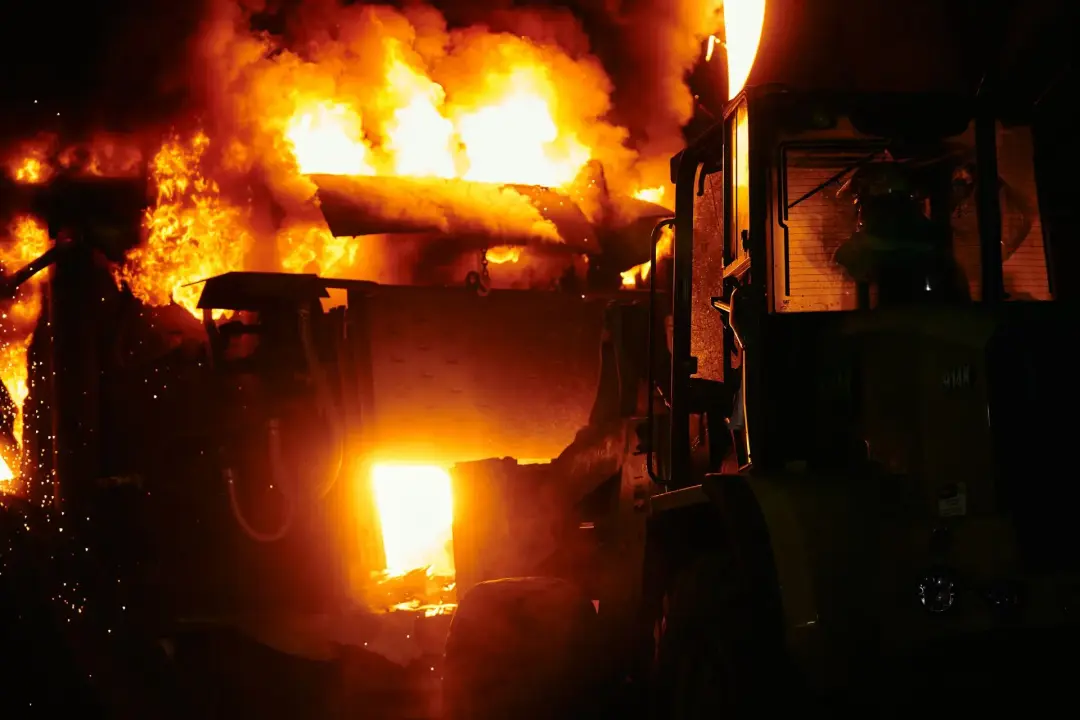
Limestone helps collect unwanted minerals and impurities. It reacts with these materials to create molten slag, which is lighter than iron and floats above it. The slag and molten iron can therefore be removed separately.
The iron produced by a blast furnace contains more carbon than finished structural steel. It may also contain silicon, sulphur, phosphorus and other elements that need further control. The molten iron is transported in insulated vessels to the steelmaking plant.
Blast furnace operation requires careful monitoring of temperature, pressure, airflow and raw material quality. Stable conditions help maintain continuous production and improve the consistency of the molten iron. The material is then ready for conversion into steel through a separate refining process.
Converting Molten Iron into Steel
Molten iron from the blast furnace is commonly converted into steel inside a basic oxygen furnace. The vessel receives molten iron along with a measured amount of recycled steel. A water-cooled lance then blows high-purity oxygen onto the metal at high speed. The oxygen reacts with excess carbon and unwanted elements. These reactions produce heat, helping melt the recycled steel and maintain the required temperature. Carbon leaves mainly as gas, while other impurities move into the slag.
Operators take samples and monitor the process carefully. The aim is to reach the required carbon level, temperature and chemical composition for the intended steel grade. Once refining is complete, the furnace is tilted and the molten steel is poured into a ladle. Slag is kept separate where possible. Further adjustments can then be made through secondary steelmaking. This conversion stage changes high-carbon molten iron into a controlled material suitable for structural production.
Removing Impurities from the Steel
Removing impurities is essential because unwanted elements can reduce strength, toughness, weldability and long-term performance. During primary steelmaking, oxygen reacts with carbon, silicon, manganese, phosphorus and other elements. The reaction products move into the gas system or combine with slag. Slag is formed using lime and other suitable materials. It floats on top of the molten steel and absorbs many unwanted compounds. Careful slag control helps remove phosphorus and protect the steel from contamination.
Sulphur may require further treatment because excessive levels can make steel brittle or difficult to process. Manufacturers may add materials that react with sulphur and move it into the slag. This work can take place before or after the main furnace stage.
Gases such as hydrogen, nitrogen and oxygen can also affect the steel. Vacuum treatment may be used to remove dissolved gases and improve cleanliness. Other techniques encourage non-metallic particles to rise into the slag.
Samples are tested throughout refining. Operators compare the results with the required chemical limits and make further adjustments when necessary.
Complete removal of every trace element is neither possible nor required. The aim is to keep each substance within controlled limits. Accurate refining creates steel with predictable behaviour, supporting reliable rolling, welding and structural performance.
Adding Elements to Create the Required Steel Grade
Different steel grades are created by adding carefully measured elements to the molten steel. Manganese is commonly used to improve strength and toughness. Silicon may support deoxidation and strength, while chromium, nickel and molybdenum can improve hardness, toughness or corrosion performance.
Small additions can significantly change how the steel behaves during rolling, welding and use. Some grades require niobium, vanadium or titanium to create a fine grain structure and achieve higher strength without excessive carbon. Alloying materials are usually added to the ladle after primary refining. The molten steel is stirred so the elements spread evenly throughout the batch.
Samples are analysed to confirm that the composition falls within the required limits. Further additions may be made when results are outside the target range. Steel grades must balance several properties rather than maximise one feature. Very high strength may reduce ease of welding or forming. Controlled alloying allows manufacturers to produce structural steel suited to particular design, fabrication and service requirements.
Controlling the Carbon Content
Carbon has a major influence on the strength, hardness, flexibility and weldability of steel. Increasing carbon can make the material stronger and harder, but excessive carbon may reduce toughness and make welding more difficult. Structural steel therefore needs carefully controlled carbon levels. During basic oxygen steelmaking, oxygen removes excess carbon from molten iron. Operators monitor the reaction and stop the process when the target range is approached. Samples are then tested, and further adjustments may be completed during secondary steelmaking.
Electric arc furnace production also requires carbon control. Recycled steel can contain different amounts of carbon, so the scrap mix must be selected carefully. Carbon may be removed through oxygen injection or added in controlled quantities.
Manufacturers often consider a calculated value known as carbon equivalent. This combines the effects of carbon and several alloying elements to indicate how easily the steel can be welded. A lower value usually supports simpler welding procedures, although section thickness and operating conditions also matter.
Accurate carbon control helps the steel reach the required balance of strength and ductility. It also supports consistent cutting, rolling and fabrication. Chemical testing confirms that each batch remains within the limits stated for the selected structural grade.
Casting the Molten Steel
After refining, molten steel must be cast into a solid shape that can be rolled into structural products. The steel is held in a ladle and transferred carefully to the casting equipment. Temperature and cleanliness must remain controlled during this stage. The molten steel flows through a smaller vessel called a tundish, which helps regulate the supply to the mould. The mould is water-cooled, causing the outer surface of the steel to solidify.
As the partly solid strand leaves the mould, it continues through supporting rollers and cooling sprays. The centre gradually solidifies while the strand moves through the machine.
Casting conditions affect internal quality, surface finish and future rolling performance. Poor temperature control or contamination can create cracks, inclusions or uneven structures. The solidified steel is cut into slabs, blooms or billets according to the products that will be manufactured. These semi-finished shapes are inspected and stored before reheating and rolling into finished structural sections.
Continuous Casting Explained
Continuous casting is a production method that turns molten steel into a long, solid strand without pouring separate individual moulds. It improves efficiency, consistency and material yield compared with older ingot casting methods. Molten steel moves from the ladle into a tundish, which supplies one or more water-cooled moulds. The mould creates a solid outer shell while the centre remains liquid. The strand is withdrawn continuously and supported by rollers as it travels through a curved or vertical machine. Water sprays cool the surface in a controlled way. Cooling must be fast enough to solidify the steel but not so severe that cracks or internal stress develop. Rollers maintain the correct shape and prevent the soft strand from bulging.
The strand eventually becomes fully solid and is cut into required lengths. Its cross-section determines whether the product is described as a slab, bloom or billet.
Sensors and control systems monitor speed, temperature, mould level and cooling. Any variation may affect surface quality or internal structure. Operators also manage the flow of steel to reduce non-metallic inclusions and trapped gases.
Continuous casting reduces handling and avoids several reheating stages associated with ingot production. It provides semi-finished material with more consistent dimensions, ready for efficient rolling into plates, beams, columns, channels and other products.
Forming Steel into Slabs, Blooms and Billets
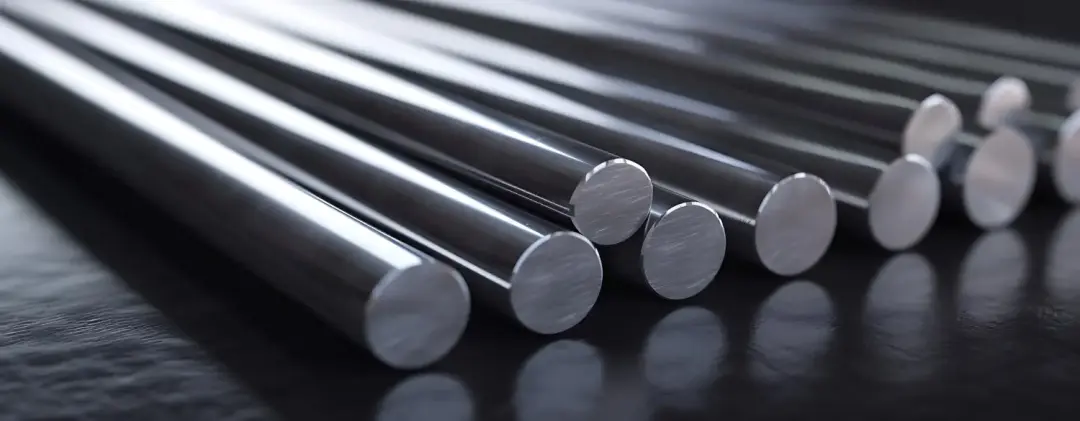
Continuous casting produces several semi-finished shapes. Slabs are wide, relatively flat sections mainly used for plates and flat products. Blooms have a larger square or rectangular cross-section and are commonly rolled into beams, columns and other heavy structural sections. Billets are smaller and may be used for bars, smaller sections and related products.
The chosen form depends on the final product and the equipment at the rolling mill. Dimensions must allow enough material for shaping while limiting unnecessary rolling and waste. Each slab, bloom or billet is marked so its grade, batch and production history can be traced. Surface checks may identify cracks, scale or other defects that need removal. The semi-finished steel is allowed to cool or may move directly towards the next process. Before rolling, it is reheated to a temperature that makes it easier to shape. Producing consistent semi-finished forms helps rolling mills achieve accurate finished dimensions and maintain stable mechanical properties across each structural section.
Reheating the Steel
Semi-finished steel is reheated before rolling so it becomes soft enough to change shape without cracking. Slabs, blooms or billets enter a reheating furnace where they are brought to a high and controlled temperature. The furnace must heat the steel evenly from the surface to the centre. Uneven temperature can cause poor rolling, twisting or inconsistent mechanical properties.
Operators control fuel, airflow, furnace zones and movement speed to achieve suitable conditions. Heating also creates a layer of oxide scale on the steel surface. High-pressure water jets may remove this scale before the material enters the rolling stands. If scale remains, it can be pressed into the surface and reduce product quality.
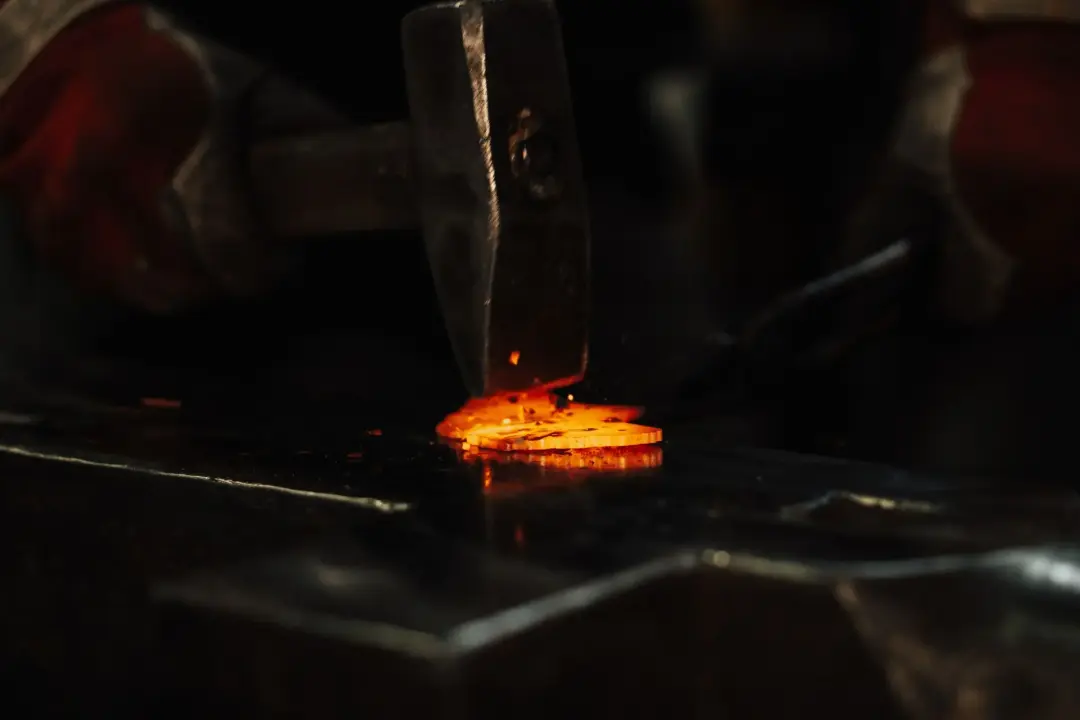
Excessive heating wastes energy and can affect the grain structure. Insufficient heating makes the steel difficult to shape and increases rolling forces. The correct temperature depends on the steel grade, section size and rolling process.
Modern furnaces may recover waste heat and use automated control systems to reduce fuel use. Production scheduling is also important because steel should reach the rolling line at the required temperature without long delays.
Once heated correctly, the steel is transferred quickly to the mill. It can then pass through rollers that gradually form it into the required structural shape.
Rolling Steel into Structural Sections
Rolling forms heated steel into beams, columns, channels, angles and other structural sections. The hot bloom or billet passes through a series of rotating rolls that apply pressure and gradually change its cross-section. Each rolling stand performs part of the shaping process. Early passes reduce the overall size, while later rolls create the web, flanges or angled faces of the finished product. The section may travel backwards and forwards through several stands.
Temperature must remain controlled throughout rolling. If the steel becomes too cool, greater force is needed and the final shape may become inconsistent. Roll spacing and alignment determine the finished dimensions. Automated measurement systems help operators monitor width, depth and thickness while production continues. After the final pass, the section moves onto a cooling bed. The controlled rolling process helps create accurate shapes, suitable strength and a consistent internal grain structure ready for testing and further preparation.
Manufacturing Steel Beams and Columns
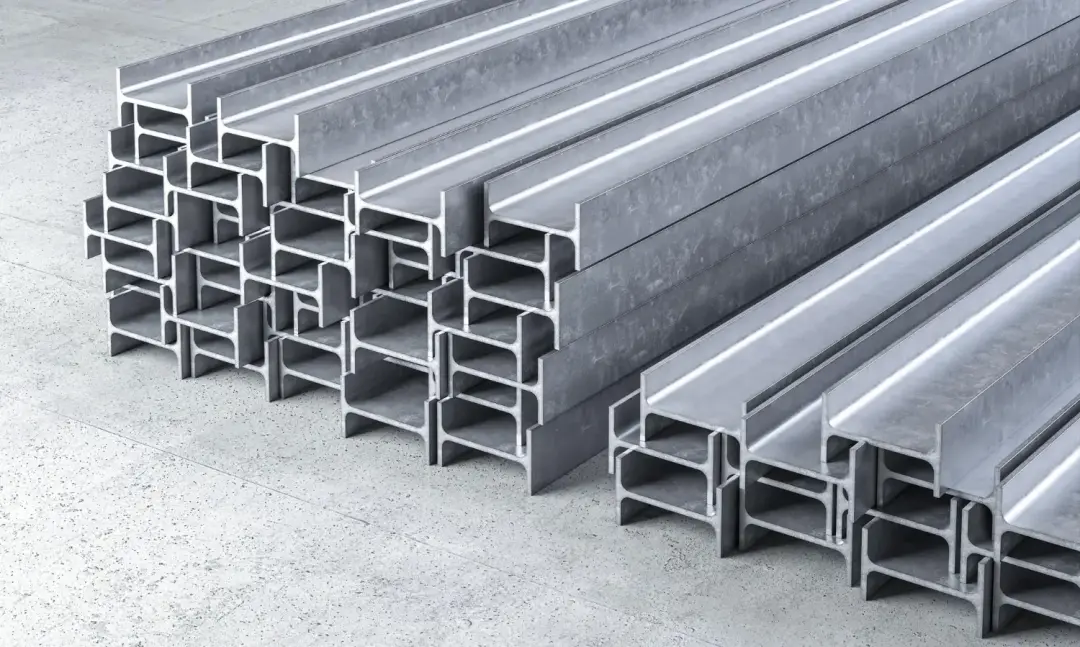
Steel beams and columns are usually produced from blooms that have been reheated and rolled through specially shaped stands. The rollers gradually form the familiar central web and wider flanges found in many structural sections. Universal beams are mainly designed to resist bending and commonly support floors, roofs and openings. Universal columns often have broader proportions suited to carrying vertical loads. Both products are available in a range of depths, widths, thicknesses and weights. During rolling, the manufacturer controls flange shape, web thickness, straightness and overall dimensions. The steel grade and rolling temperature also influence strength and toughness.
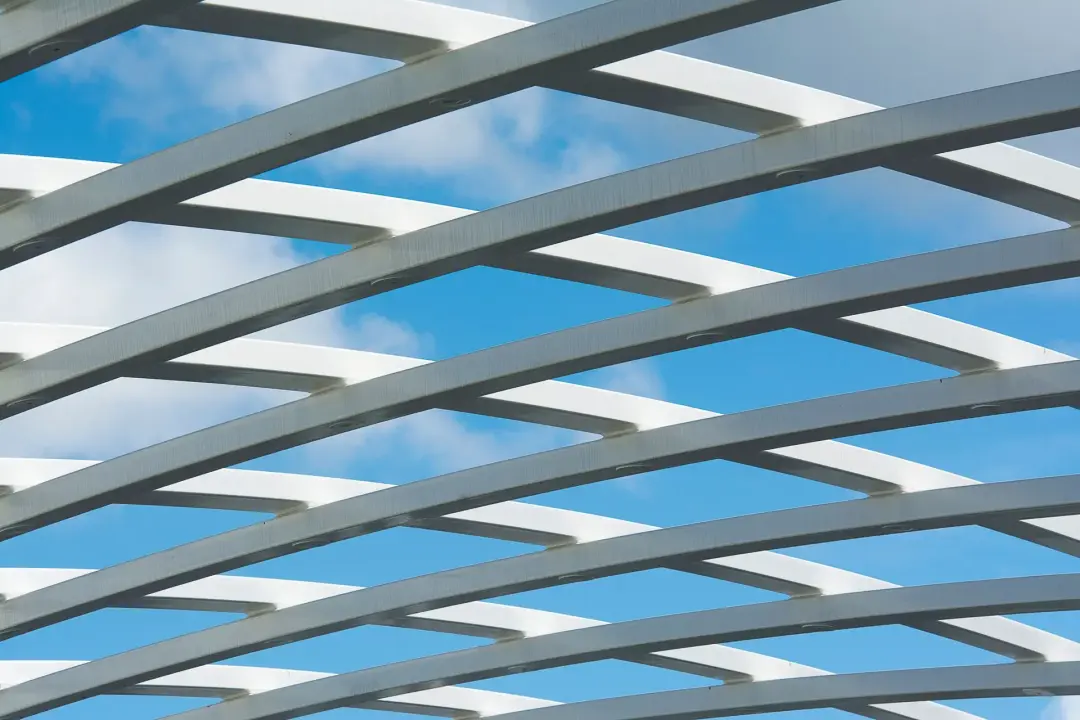
After rolling, long sections are placed on cooling beds. Controlled cooling reduces unwanted distortion and helps the steel develop the required mechanical properties. Sections may then pass through straightening equipment.
Each beam or column is cut to standard or ordered lengths. Identification marks link it to the production batch and test results.
Rolled sections can later be cut, drilled, welded and fitted with plates by a structural steel fabricator. Accurate mill production is important because engineers depend on published dimensions and properties when completing structural calculations. Consistent beams and columns support predictable fabrication, connection design and safe performance in the finished building.
Producing Steel Channels and Angles
Steel channels have a central web with flanges extending from one side, while angles form an L-shaped section. Both products are made by passing heated billets or blooms through shaped rolling stands.
Channels may be used for frames, supports, edge members and secondary structural work. Angles are commonly used for bracing, connections, lintels and smaller framework. The rolling process gradually forms the required faces and corners. Rollers control flange width, web depth, thickness and internal radius. Accurate alignment is needed so the finished section does not twist or curve.
After rolling, channels and angles are cooled and straightened. They are then measured, inspected and cut into standard or ordered lengths. Different steel grades and section sizes are available to suit various structural loads and environments. Fabricators can drill, cut and weld these sections to create connections or complete assemblies. Consistent manufacturing makes it easier for engineers and fabricators to select products with known dimensions, strength and weight.
Cutting Structural Steel to Size
Structural steel is cut to length during both mill production and later fabrication. At the mill, long rolled sections may be divided into standard lengths. A fabricator then cuts them again to match the dimensions shown on structural and manufacturing drawings. Cutting methods include band sawing, circular sawing, flame cutting, plasma cutting and laser cutting. The correct process depends on material thickness, section shape, accuracy, edge quality and production volume. Sawing is commonly used for beams, columns, channels and angles because it can create square, accurate ends. Thermal cutting is useful for plates, complex shapes and thick material. Heat-affected edges may need cleaning or further preparation before welding.
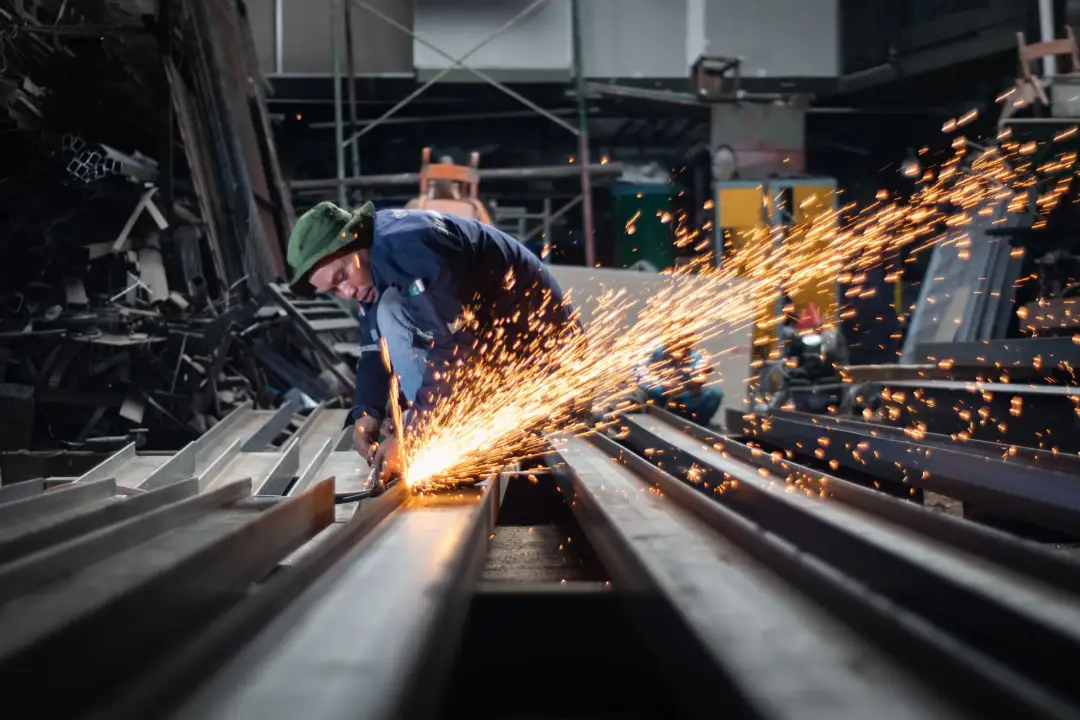
Every cut must consider the final connection. Angled ends, notches and openings may be required so sections fit around other steelwork. Measurements should include tolerances and any allowance for finishing.
The cut surface is inspected for rough edges, distortion and damage. Sharp burrs or slag must be removed to protect workers and ensure proper assembly.
Accurate cutting reduces fitting problems on site. A section that is too short may lack suitable bearing, while one that is too long may not fit between supports. Careful measurement, marking and quality checks therefore support both safe fabrication and efficient installation.
Drilling and Punching Steel Sections
Holes are created in structural steel for bolts, fixings, services and assembly requirements. Drilling removes material using a rotating cutting tool and can produce accurate holes in beams, columns, plates, channels and angles. Punching forces a shaped tool through the steel. It can be faster for thinner material and repeated hole patterns, although it may not suit every thickness, grade or connection requirement.
Modern fabrication equipment can position holes automatically using digital manufacturing data. This improves consistency and reduces manual marking errors. Hole diameter, spacing and edge distance must match the approved connection design. Incorrect positions can prevent assembly or reduce the strength of the steel around the connection.
After drilling or punching, burrs and sharp edges are removed. The section is then checked against drawings and tolerances. New holes should never be added on site without approval. Drilling through the wrong part of a beam can weaken the section or interfere with fire and corrosion protection.
Welding and Fabricating Structural Steel
Fabrication turns standard steel sections into components ready for a particular building or structure. The work may involve cutting, drilling, welding, bolting, shaping and attaching plates, brackets, stiffeners or connection details. Welding joins steel by melting the edges and adding suitable filler material where required.
Common processes include manual, semi-automatic and automated welding methods. The selected procedure depends on the steel grade, thickness, joint shape and required strength. Welders must follow approved procedures that specify preparation, heat input, consumables and inspection. Poor welding can create cracks, lack of fusion, distortion or weak connections. Surfaces therefore need suitable cleaning and accurate alignment before work begins.
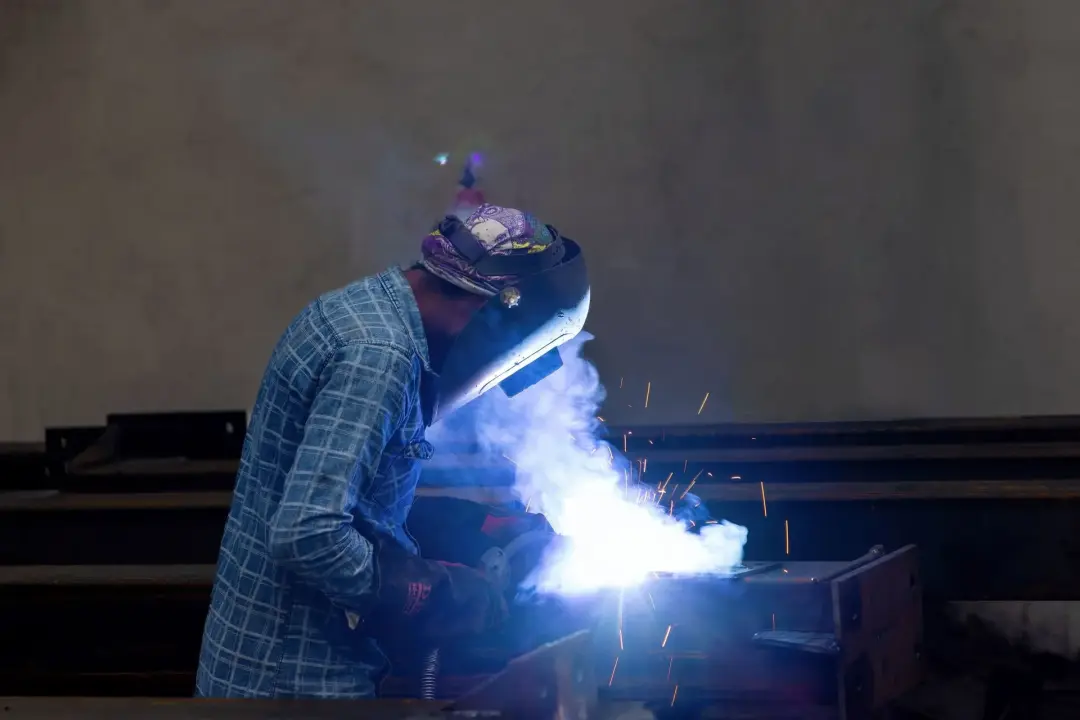
Fabrication drawings show the dimensions and position of every component. Digital models may help coordinate complex assemblies and identify conflicts before production. After welding, joints can be checked visually or through specialist testing. Non-destructive methods may be used where the connection is especially important.
Heat from welding can cause steel to bend or twist. The fabricator controls welding sequence, clamping and cooling to reduce movement. Completed assemblies are then measured and compared with the required tolerances. Accurate fabrication ensures that beams, columns and connections fit together on site. It also helps the finished structure transfer loads in the way intended by the structural design.
Are you looking for structural steel suppliers in Manchester and the North West? Our team manage a variety of structures, from the initial design concept through to the final construction phase.