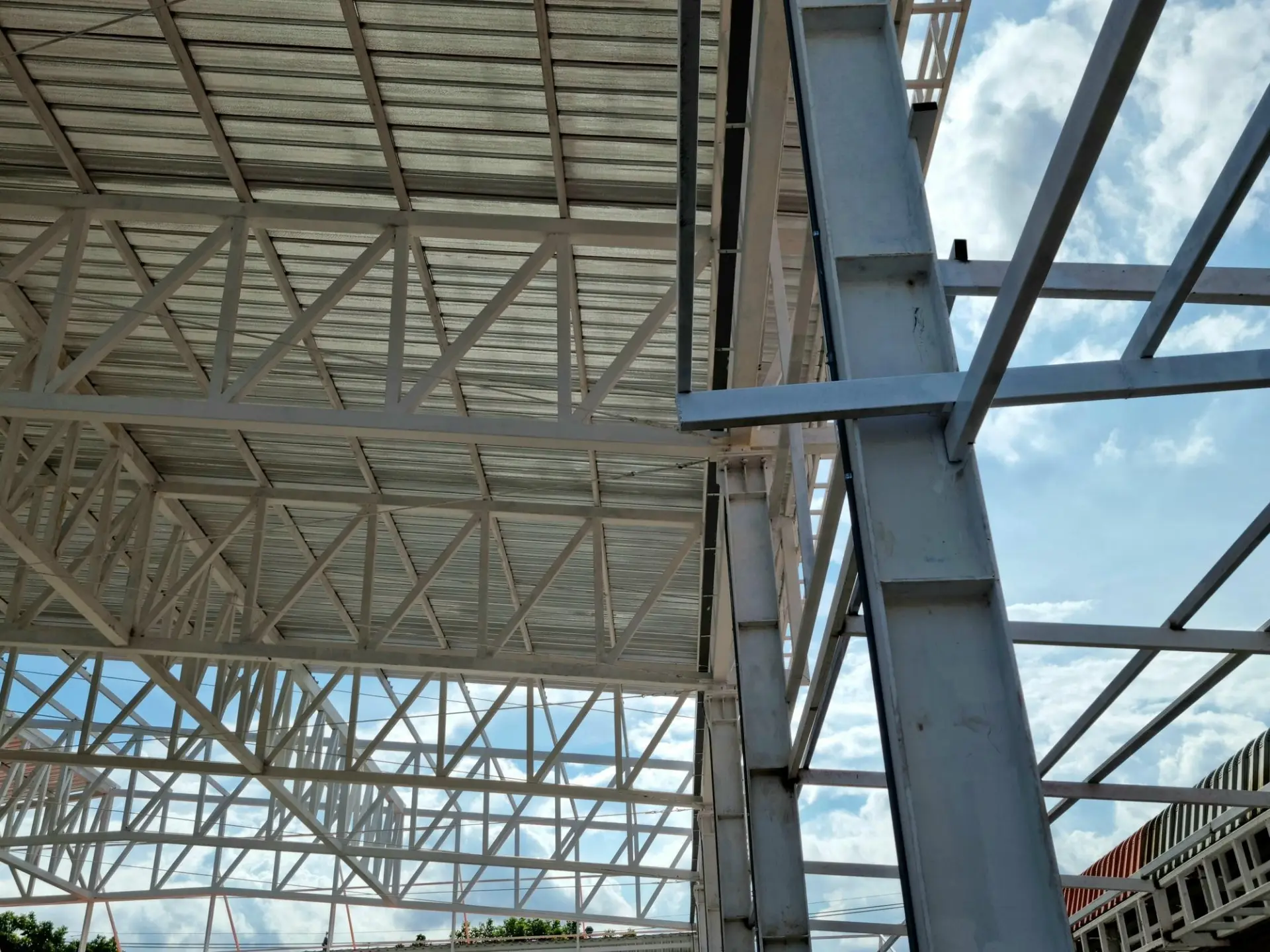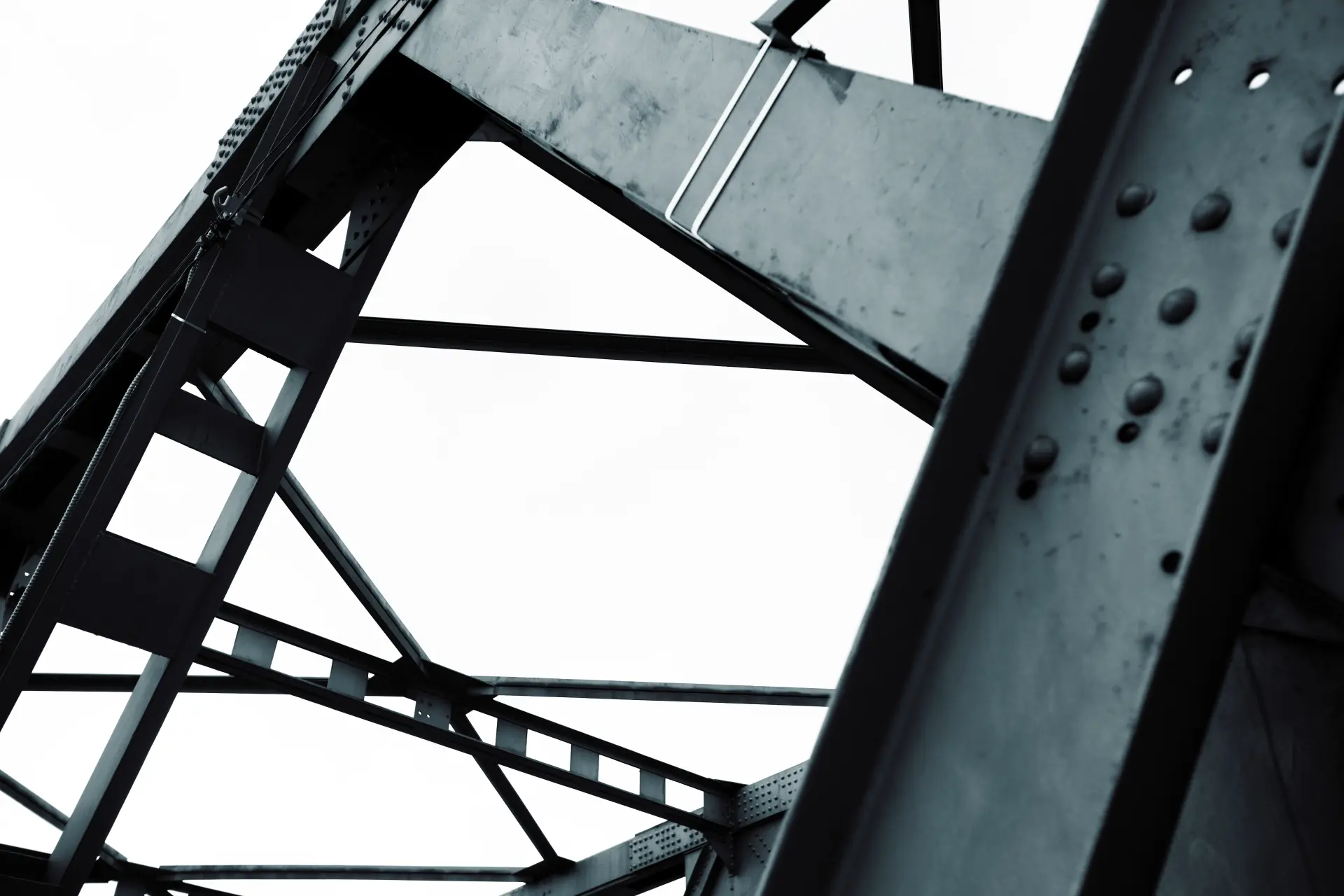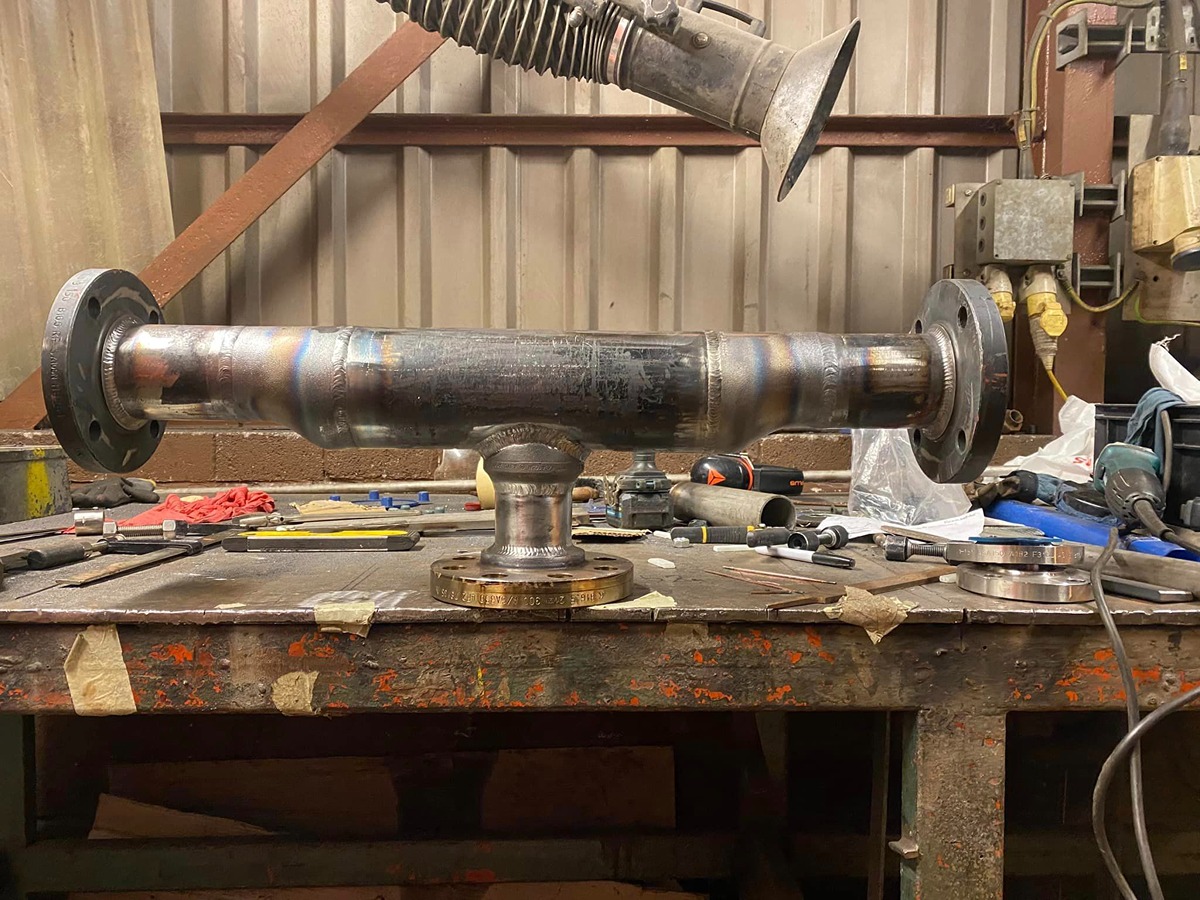
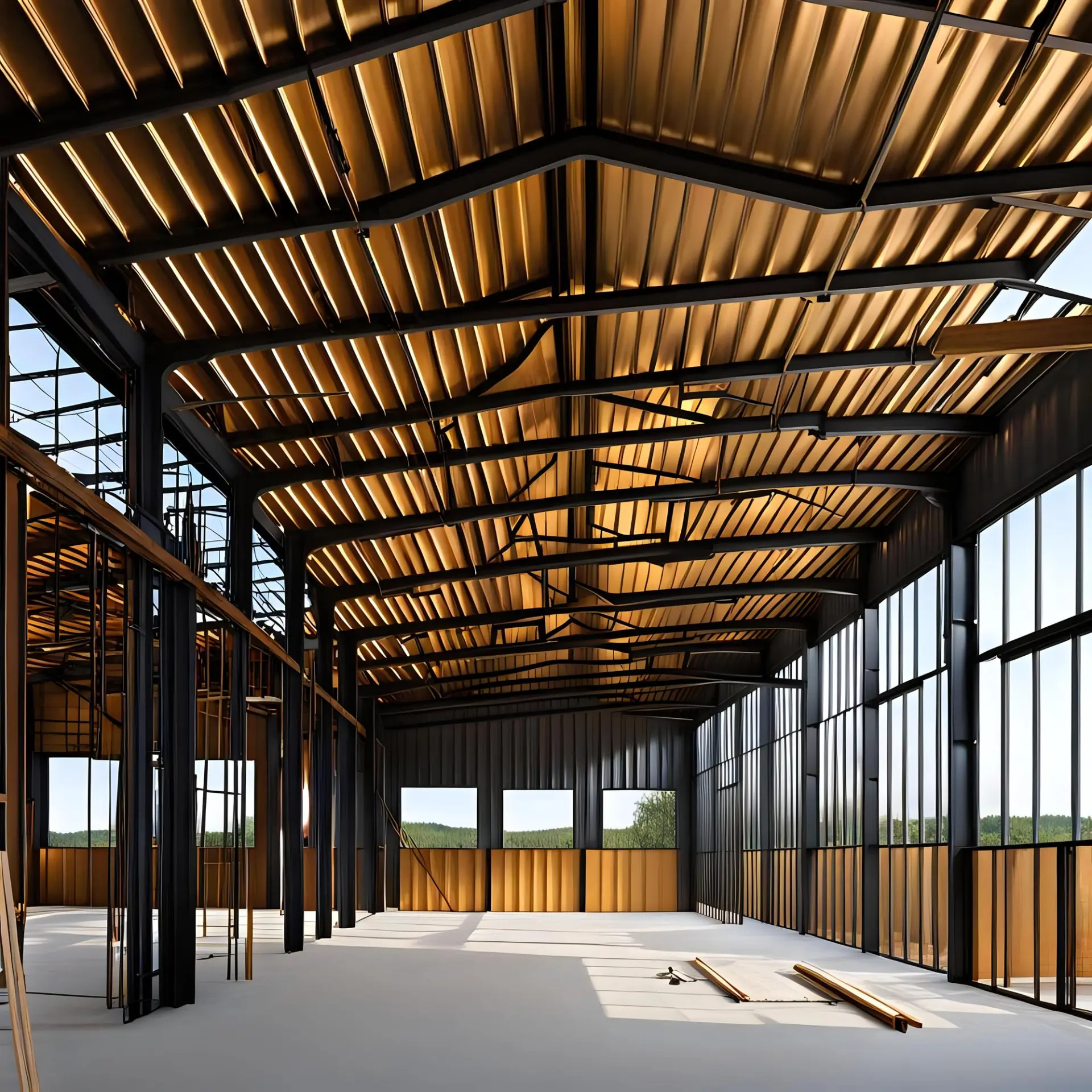
Considering if structural steel is right for your home build? Discover how steel beams support large openings, offer strength, and enable modern, open-plan designs.
How Structural Steel Is Used in Residential Construction
Structural steel is used to carry weight and provide support within a building. In a home, this often means using steel beams, columns, frames or plates to support floors, walls, roofs or wide openings.
One of the most common uses is when a load-bearing wall is removed. A load-bearing wall supports part of the building above it. If that wall is taken out, another form of support will be needed. A steel beam can take the place of the wall and transfer the weight safely to other supports.
Structural steel is also used in rear extensions, side extensions, loft conversions and garage conversions. It may support new roof structures, floor joists or large openings for doors and windows. In some new-build homes, steel is used as part of the main frame, especially when the design includes large spaces or unusual shapes.
In many cases, steel is hidden once the work is finished. It may be covered with plasterboard, built into walls, or boxed in to match the rest of the room.
Key Benefits of Structural Steel for Homes
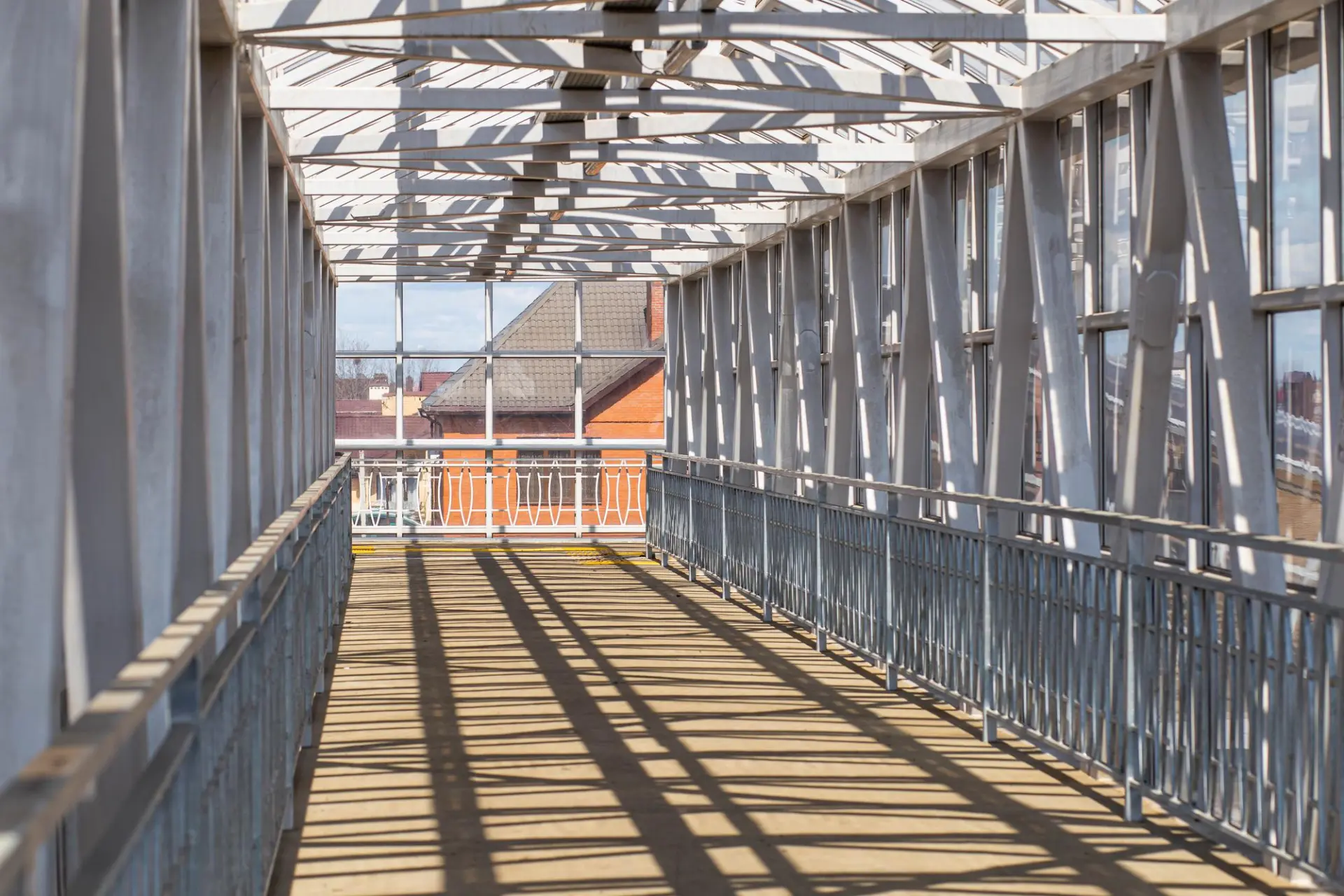
The main benefit of structural steel is strength. Steel can carry heavy loads while taking up less space than some other materials. This makes it useful where a home needs support without bulky walls or large timber sections.
Another benefit is its level of reliability. Structural steel is manufactured to strict standards and can be produced to exact sizes. In doing so, this helps engineers and builders plan work much more accurately.
Steel can also make a home feel more modern and open. It allows wider spaces, larger openings and fewer internal walls. This is why it is frequently used for more open plan kitchens, living areas and extensions, especially those with large glass doors.
Structural steel can also suit various projects where the design is more complex. It can be cut, shaped and joined to meet the needs of the building, as long as the work is designed and checked by the right professionals.
Potential Drawbacks to Consider
Structural steel has many advantages, but there are also drawbacks to think about.
The first is cost. Steel itself can be costly, and there may be extra costs for design, fabrication, delivery, lifting equipment and installation. You may also need building control approval and structural calculations.
Another drawback is that steel needs careful planning. It is not something that should be chosen or installed by guesswork. The correct size, position and support details must be worked out by a structural engineer.
Steel can also be heavy. If access to the property is difficult, delivery and installation may be more challenging. A large beam may need special lifting equipment or extra labour.
There can also be extra work after installation. Steel may need fire protection, boxing in, plastering and decoration. These finishing works should be included in the project budget.
Structural Steel vs Traditional Building Materials
Homes are more commonly built using materials like timber, brick, block and concrete. These materials are still widely used throughout the UK and tend to work well. Structural steel is usually chosen when extra strength or a wider span is needed.
Timber is a much lighter and easier material to cut on-site. It is typically used for joists, roofs and internal framing. However, timber may need to be deeper or more closely spaced than steel when carrying heavy loads.
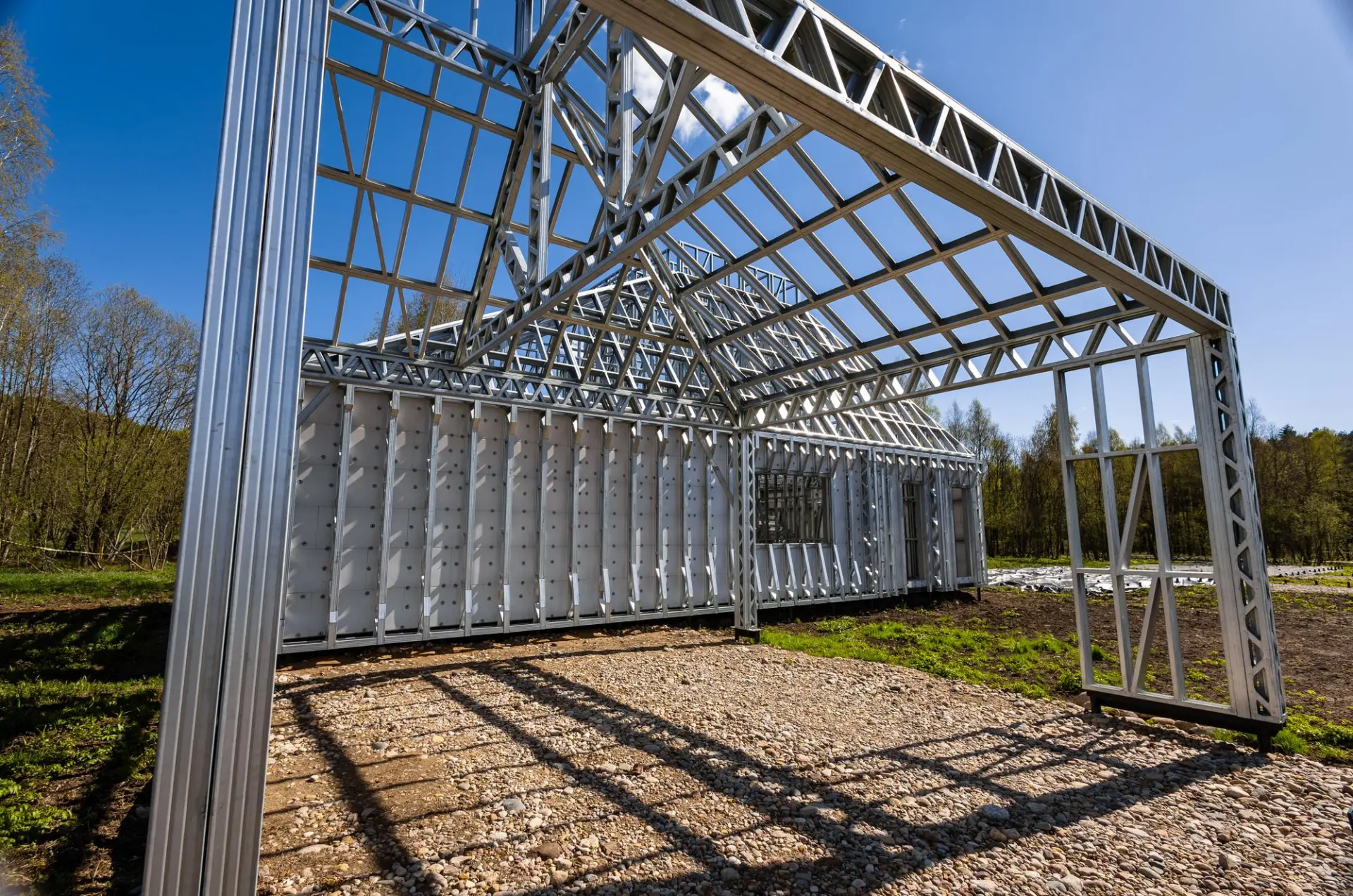
Brick and block walls provide strong support, but they take up space and can limit layout options. Steel can replace some walls where open rooms are wanted, as long as the load is safely transferred elsewhere.
Concrete is an incredibly strong and durable mixture, especially when used for foundations and floors. However, it can be much less practical for certain internal alterations. Steel is often easier to install in home renovation projects, particularly when supporting an opening.
In many home builds, these materials are used together. For example, a steel beam may rest on masonry walls or padstones, while timber joists connect to the steel.
When Structural Steel Is the Best Choice
Structural steel is usually the best choice when a project needs some strong support over a wide span. This includes large kitchen extensions, open plan living spaces and wide door openings.It is also useful when removing a load-bearing wall. In this situation, steel can carry the weight that the wall used to support.
Steel is a strong option for loft conversions. Existing ceiling joists are often not suitable as floor supports, so steel beams may be needed to carry the new floor structure.
It may also be the right choice for homes with unusual designs. If a project includes large windows, split levels, long spans or limited support points, structural steel can help make the design possible.
A local structural engineer can confirm whether or not steel is needed for your building project and what type of support will be suitable.
Situations Where Structural Steel May Not Be Ideal
Structural steel is not always needed for every project or construction. For small openings, simple layouts or light loads, timber or masonry may be enough.
Steel may not be ideal if the project budget is very tight. While it can be a good value where strong support is needed, it may add unnecessary cost if a simpler material would work.
It may also be less suitable where access is poor. Narrow paths, tight staircases, low ceilings or limited working space can make it harder to deliver and fit steel sections.
Some homeowners throughout the UK may also dislike the need to box in steel beams. If the beam cannot be hidden neatly, it may affect the look of the room. This can usually be handled during the design stage, but it should be discussed early.
Steel may also be unnecessary in projects where the existing structure can remain mostly unchanged.
Cost Considerations for Home Builds
The cost of structural steel depends on the size, weight, design and amount of steel needed. A single beam for a small wall removal will usually cost less than a full steel frame for a large extension.
Homeowners should remember that the steel itself is only part of the total cost. Other costs may include:
• Structural engineer fees.
• Building control fees.
• Fabrication.
• Delivery.
• Lifting equipment.
• Labour.
• Temporary support.
• Padstones or foundation work.
• Fire protection.
• Making good after installation.
The final cost can also be affected by access. If the steel is difficult to move into position, the installation may take longer and need more people or equipment.
It is wise to get a clear written quote. The quote should explain what is included and what is not. This helps avoid surprise costs later in the project.
Design Flexibility and Open Plan Living
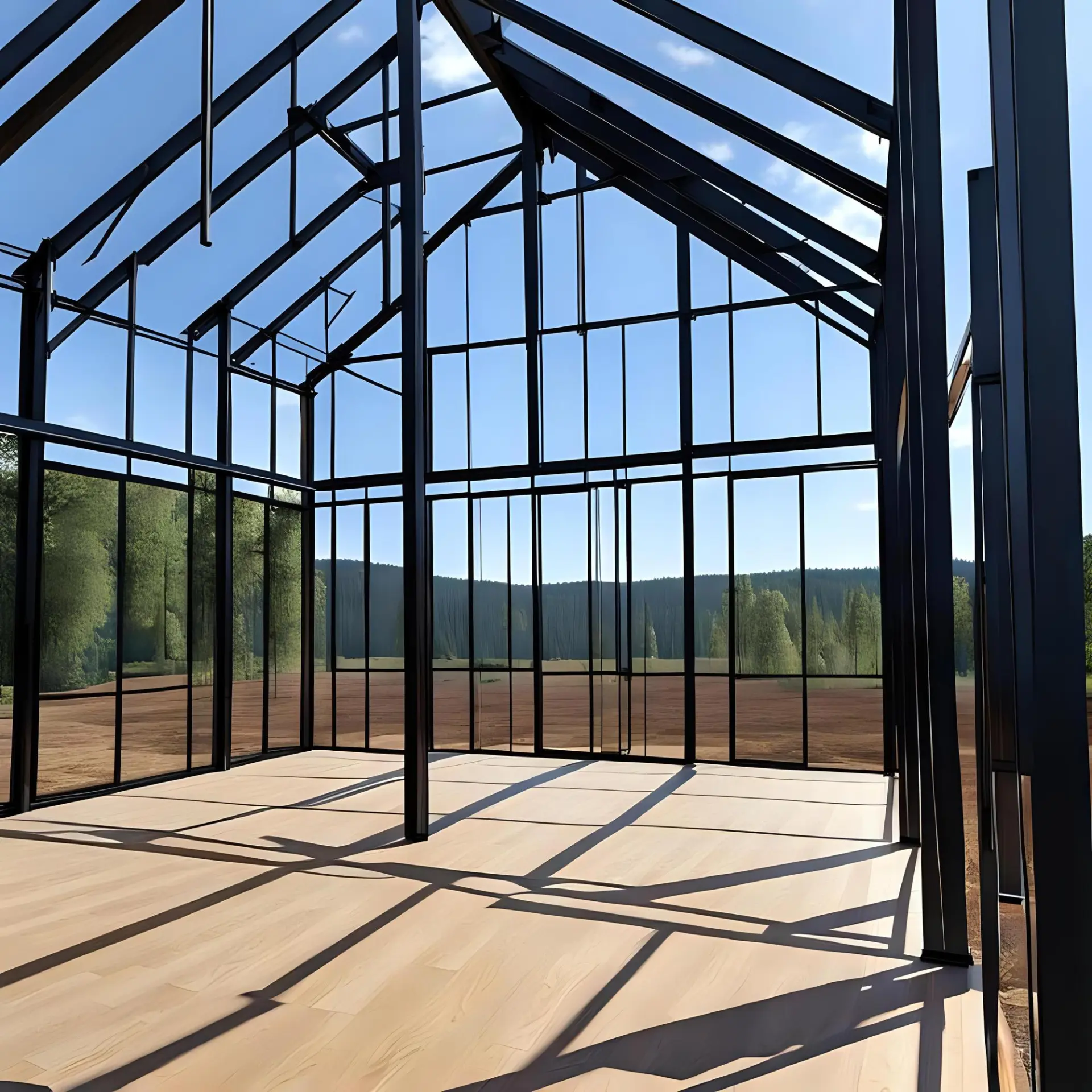
Structural steel is a popular material because it offers many ways to create open-plan spaces. Many homeowners want larger kitchens, dining rooms and living areas with fewer walls. Steel can make this possible by carrying loads across wide openings.
It can also support large doors and windows. This is useful for extensions where homeowners want more natural light and a stronger link to the garden.
Steel can give construction designers and architects much more freedom. Instead of being limited by existing walls, a project can include wider rooms, longer spans and more flexible layouts.
However, open-plan living still needs plenty of careful thought before going ahead. Heating, lighting, sound, fire safety and furniture layout all need to be considered. A large open room should not only be strong, but it should also work well for daily life.
Strength, Durability and Safety
Structural steel is strong and durable when properly designed and installed. It can carry heavy loads and is well-suited to important support roles in a home.
Safety depends on correct design. The steel must be the right size, have proper support at each end, and be connected correctly to the rest of the structure. It is also important to make sure that the surrounding building is strong enough to take the loads. A beam may need padstones, columns or improved foundations. These details should be checked by a structural engineer.
Steel can last for many years when protected from moisture and fire. It should not be exposed to damp conditions unless it has suitable protection.
Impact on Build Time and Project Planning
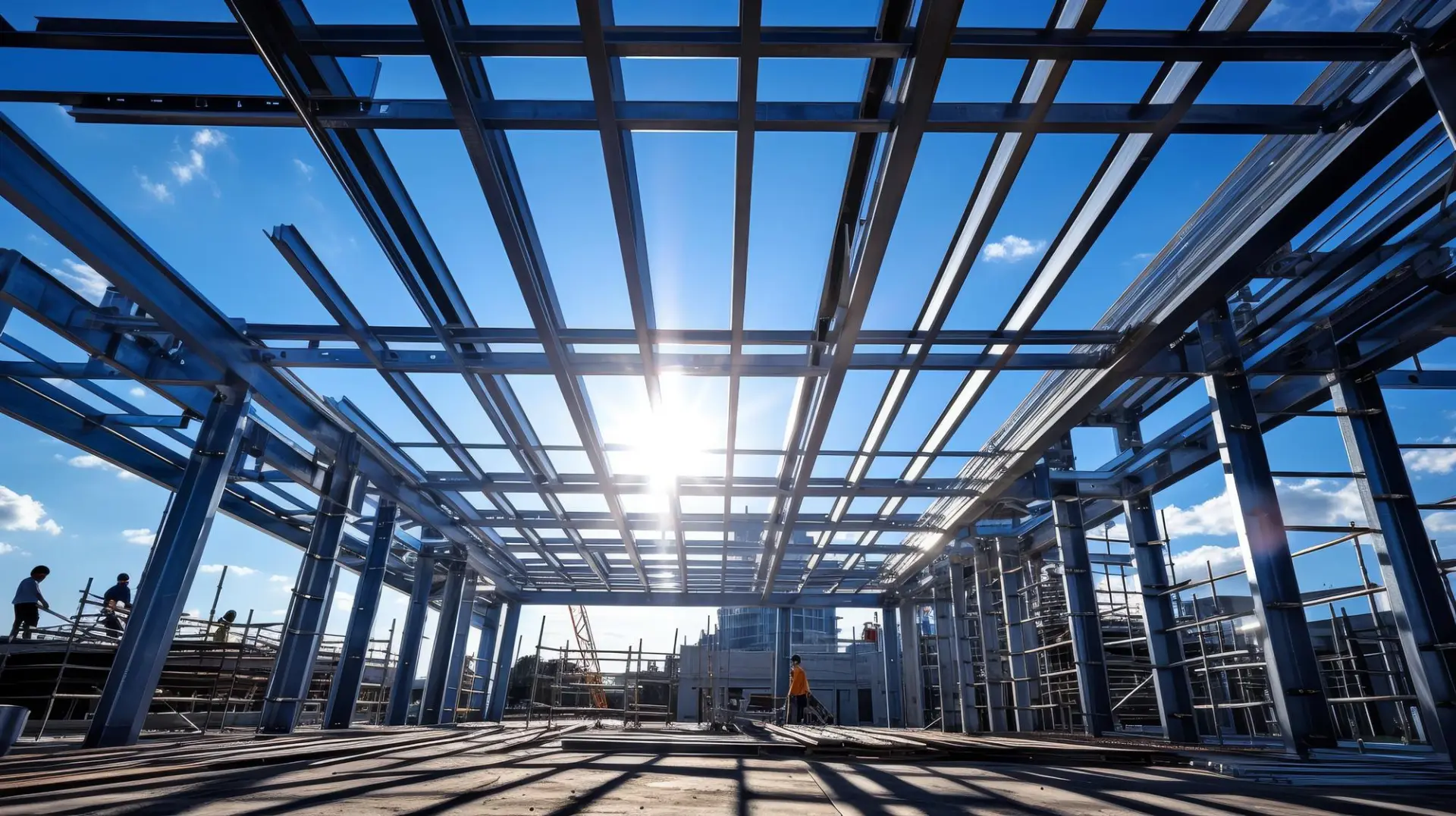
Structural steel can help a project move quickly once it is ready to install. A beam or column can often be fitted in a short period of time. However, the planning before installation is important.
The steel usually needs to be measured, designed, ordered and fabricated before it arrives on site. If the measurements are wrong or the design changes, this can cause delays.
The builder may also need to prepare the site before the steel can be installed. This can include removing finishes, fitting temporary supports, creating pockets in walls and preparing padstones.
Delivery should be planned carefully. Large steel beams need safe access and enough space for unloading. If a crane or lifting equipment is required, this must be arranged in advance.
Good planning helps avoid delays, safety issues and extra costs.
Environmental Considerations
Steel has an environmental impact because producing it consumes energy and raw materials. However, steel also has many environmental benefits.One major benefit is that steel can be recycled. Many steel products include recycled material, and steel can often be recycled again at the end of its life.
Steel can also support designs that make better use of existing homes. For example, using steel in an extension or renovation may help homeowners improve their current property instead of moving or rebuilding.
To reduce waste, steel should be ordered accurately and used as efficiently as possible, wherever it can. Offcuts should be recycled where possible. Homeowners can also ask suppliers about responsible sourcing and recycled content.
Environmental choices should be considered alongside the wider project, including insulation, heating, glazing, ventilation and material waste.
Long Term Maintenance and Performance
In most homes, structural steel needs little maintenance once it is installed and protected. It is usually hidden inside walls, ceilings or floors, away from weather and damage.
The main issue to avoid is moisture. If water reaches steel, it can cause corrosion over time. Leaks, damp patches and poor ventilation should be dealt with quickly. Steel may be painted or coated before installation to help protect it.
In some locations, extra protection may be needed, especially if the steel is exposed or near damp conditions. Homeowners should watch for warning signs after building work is finished. These may include new cracks, movement, rust stains, damp marks or sagging finishes.
These signs do not always mean there is a serious problem, but they should be checked.
With good design, proper installation and suitable protection, structural steel can perform well for many decades.
Working with Structural Engineers and Builders
Structural engineers should be involved whenever structural steel is needed. The engineer will calculate the loads, choose the correct steel size and supply quality drawings or details for the builder and building control.
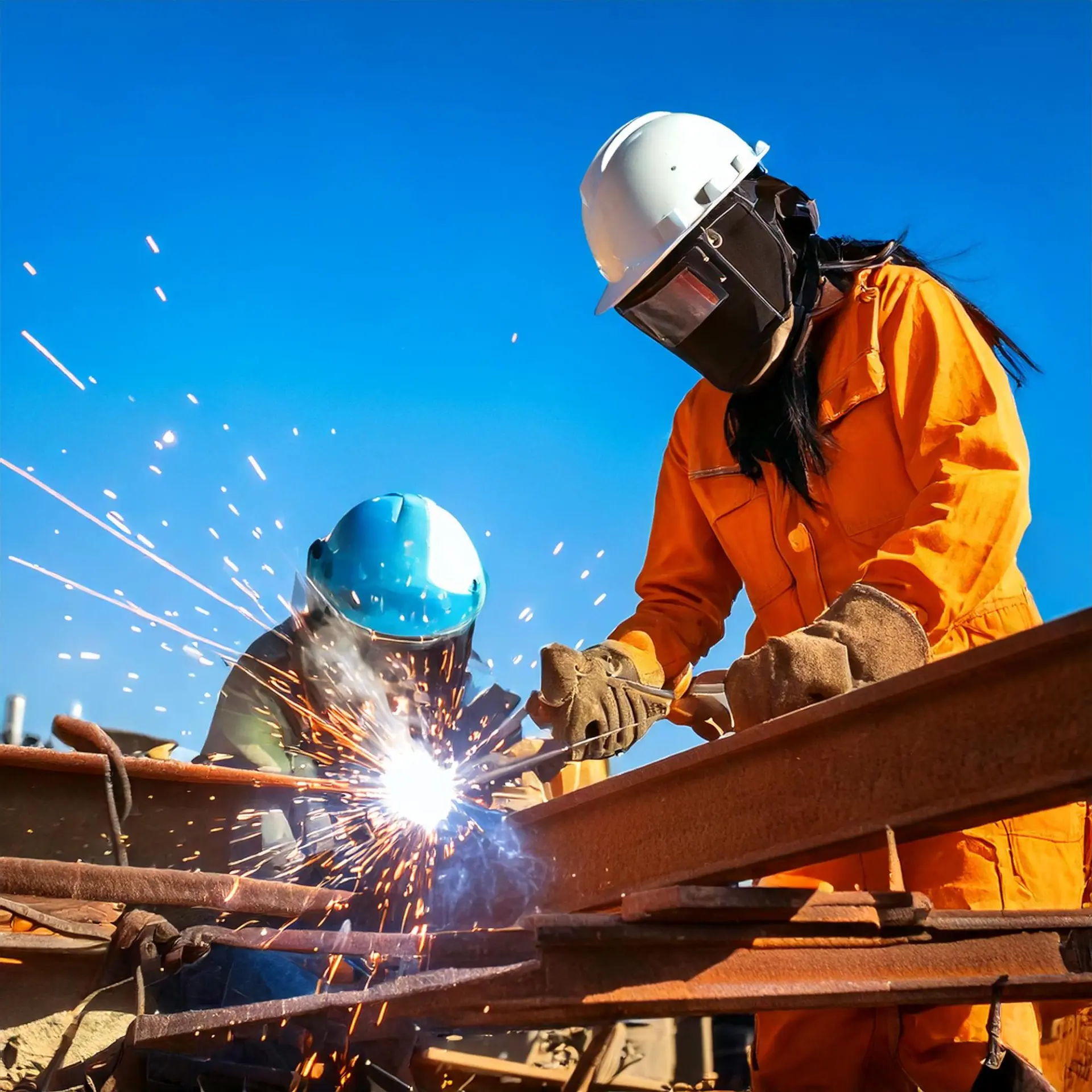
The builder is completely responsible for carrying out the work safely and correctly. This includes temporary support, preparation, installation and finishing.
Good communication between the homeowner, engineer, builder and steel supplier is important. Everyone should work from the same drawings and understand the design before installation begins.
Homeowners should keep copies of structural calculations, drawings, building control approval and completion documents. These may be needed in the future, especially if the property is sold.
When choosing a builder, it's always wise to look for one who has experience with similar work. Make sure to ask what is included in the quote, how the steel will be lifted, how the area will be made safe, and how the finished room will look.
Anderson Engineering And Welding Services are trusted structural steel suppliers serving Manchester and the North West. From design to installation, we deliver strong, custom steel solutions for commercial and residential projects.