Discover the impact of poor pipe fitting on industrial operations. Explore the causes, consequences, and best practices that help prevent inefficiencies, safety risks, and costly failures across industrial systems.
Common Causes of Poor Pipe Fitting
Poor pipe fitting in industrial operations often begins with a combination of weak planning, incorrect installation, and a lack of attention to detail. One major issue is the lack of skilled labour. When workers are not properly trained, pipes, fittings, joints, and valves may be installed incorrectly, which can lead to leaks, pressure loss, and early failure. Even a small mistake during installation can affect the whole system and reduce reliability over time.
The use of poor-quality material is another common cause. Pipes and fittings must be suitable for the job, especially in industries dealing with water, gas, oil, steam, chemicals, or high heat. If the wrong material is chosen, the result can be corrosion, wear, cracking, or weakened joints. In high pressure or high temperature environments, this risk becomes even greater, making correct material selection a critical part of system design.
Poor design decisions also play a major role. If a pipe system is not planned carefully, the layout may create stress at connection points, reduce flow, or place too much pressure on certain sections. In some cases, the wrong pipe size or fitting type is used, leading to performance issues from the start. These problems often lead to repairs, downtime, and ongoing maintenance costs that could have been avoided with better planning and best practices.
Another important factor is poor understanding of standards and working practices. Different industries require different types of fittings, seals, and joining methods. When teams do not fully understand these requirements, fitting failures become more likely. This is especially true in projects where speed is prioritised over accuracy, or where a team is under pressure to complete installation in less time than needed.

Immediate Consequences of Faulty Pipe Fitting
The impact of poor pipe fitting is often felt immediately. One of the most common results is leaks. Leaks can waste water, oil, gas, or chemicals, depending on the system, and this can quickly disrupt operations.
In many industrial settings, even a minor leak can reduce pressure, affect flow, and lower system performance. Where continuous output is needed, this can lead to production delays and unplanned downtime.
Faulty fittings can also lead to sudden failure in critical parts of a system. If a pipe joint is not secure, or if fittings are poorly aligned, the connection may fail under pressure. In some cases, this can cause serious damage to nearby equipment and force operations to stop while repairs are carried out.
The cost of this failure is not limited to parts and labour. It can also include lost production time, wasted materials, and missed project deadlines.
In industries where systems must run without interruption, these failures can have a major impact.
When pipe fitting problems affect core operations, businesses may need to shut down lines, isolate sections of the system, or bring in specialist teams to carry out urgent repairs. This not only adds cost, but also places extra stress on the wider operation.
How Poor Pipe Fitting Affects System Efficiency
Industrial systems depend on stable pressure, steady flow, and reliable performance. Poor pipe fitting reduces efficiency by making it harder for the system to work as designed. If fittings are loose, damaged, or wrongly matched, they can restrict flow or create leaks. This forces pumps and other equipment to work harder, which increases energy use and raises operating costs.
The long term impact on efficiency can be severe. Repeated leaks, blockages, and fitting failures often lead to more frequent maintenance, more downtime, and lower reliability. Over time, this affects the full performance of industrial operations and may reduce output across the site. In competitive industries, reduced efficiency can also damage service quality and lead to higher costs for customers.
Poor fitting can also affect system balance. When pressure drops in one part of a network, other areas may be forced to carry a greater load. This can lead to uneven wear, poor temperature control, and further damage to pipes, valves, and connected equipment. In high pressure systems, small fitting problems can quickly become major failures if not addressed early.

Safety Risks Associated with Poor Pipe Fitting
Safety is one of the most serious concerns linked to poor pipe fitting. Faulty pipes and fittings can lead to leaks of hazardous materials, including chemicals, hot liquids, steam, oil, or gas. These leaks pose a direct risk to workers and can also harm the wider environment. In some cases, the release of dangerous substances may require an emergency shutdown and specialist clean-up work.
Poor fitting also increases the risk of burst pipes, especially in high pressure systems. A sudden failure can send hot or harmful material into working areas, leading to injury, fire, or damage to nearby equipment.
Where temperature and pressure are both high, the consequences can be especially serious. This is why proper installation, regular inspection, and strong maintenance practices are essential.
There is also a wider safety issue linked to hidden weaknesses. Corrosion, stress, and gradual wear can build up around joints and fittings over time. If these issues are missed during maintenance, the pipe system may appear safe while actually becoming more unstable.
In these cases, failure often comes without warning. To understand the full safety impact of poor fitting, industries must look beyond visible leaks and consider long term system integrity.
the long term cost of Poor Pipe Fitting
While immediate repairs can be expensive, the long term cost is often even greater. Poor pipe fitting can lead to repeated failures, ongoing maintenance, and more frequent replacement of pipes, fittings, valves, and seals. Over the life of a system, these costs can become significant, especially in large industrial operations where pipe networks are extensive and critical to daily performance.
Downtime is one of the biggest hidden costs. Every time a system is shut down for repairs, businesses lose valuable operating time. In some cases, a single fitting failure can affect multiple parts of a plant, leading to wider disruption across operations. This can delay production, increase labour costs, and reduce confidence in the reliability of the site.
There is also the cost of damage to reputation and planning. If failures happen often, customers and partners may see the business as less dependable. Internal teams may also be forced to focus on emergency repairs instead of planned improvements. This can slow progress on other project work and make it harder for the business to improve efficiency in the future.
The Importance of Material Selection and Compatibility
Material choice plays a major role in preventing pipe fitting issues. Different systems carry different substances, and each one places its own demands on pipes and fittings. Water systems may face corrosion over time, while chemical systems may require specialist materials that can resist aggressive substances. In oil and gas settings, steel pipes are often used because they offer strength and durability, but even steel pipes must be matched correctly to the pressure, temperature, and material being transported.
If material compatibility is ignored, the results can be costly. Corrosion may develop more quickly, joints may weaken, and fittings may fail under normal operating conditions. In some cases, the wrong material can react badly to heat or chemicals, leading to cracks, leaks, or complete system failure. This is why proper planning should always include a full review of the system environment and the most suitable material for each section.
Why Maintenance and Inspection Matter
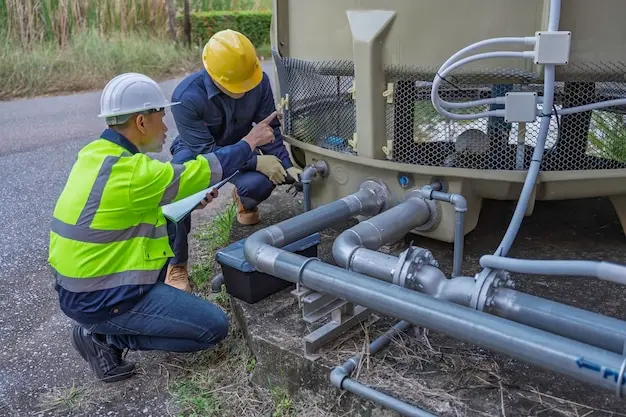
Regular maintenance is one of the best ways to reduce the impact of poor pipe fitting. Inspections help teams identify leaks, corrosion, loose fittings, damaged joints, and signs of wear before they become more serious. This supports better reliability and helps avoid sudden failures that could stop operations without warning.
Maintenance also gives teams time to review whether the system is still working as intended. Over time, changes in pressure, flow, temperature, or use can place extra stress on pipes and fittings.
A system that worked well at installation may need adjustments later to maintain performance. By checking critical areas regularly, industries can protect system integrity and reduce the risk of major repairs.
In many cases, the best results come from planned maintenance rather than reactive repairs. Waiting until a pipe fails usually means higher costs, more downtime, and greater safety risk. A proactive approach helps businesses understand the condition of their systems and take action before problems grow.
Best Practices to Prevent Poor Pipe Fitting
Preventing poor pipe fitting starts with skilled installation and careful planning. Workers should be properly trained so they understand the correct use of fittings, joints, valves, and sealing methods. Good installation practices reduce the risk of leaks and help systems perform as designed from the start.
It is also important to use the right material for the job. Pipes and fittings should be chosen based on pressure, temperature, flow demands, and the type of substance being carried. In industries handling water, gas, oil, or chemicals, this step is especially important. High-quality components may cost more at first, but they often reduce the long term cost by lowering the chance of repairs and failures.
Regular inspection and maintenance should be treated as a core part of operations. A strong maintenance plan helps identify wear, corrosion, and weak joints before they lead to damage. Businesses should also follow recognised standards and best practices during design, installation, and operation. This helps improve safety, reliability, and performance across the whole system.
Finally, communication within the team matters. Engineers, installers, maintenance staff, and project managers all have a role in making sure pipe systems are fit for purpose. When teams work together and focus on quality, the result is a safer and more efficient operation with fewer fitting failures and less downtime.
Poor Pipe Fitting and Industrial Operations
The impact of poor pipe fitting on industrial operations can be wide-ranging. It can lead to leaks, safety risks, equipment damage, reduced efficiency, and costly downtime. In critical systems, even a small fitting issue can lead to major failures and long term consequences for performance and reliability.
To reduce these risks, industries need to understand the causes of poor fitting and take action early. Careful design, correct material choice, skilled installation, regular maintenance, and strong best practices all play a critical role. When pipe systems are installed and maintained properly, businesses are better placed to protect safety, reduce cost, and support reliable industrial operations.
Anderson Engineering And Welding Services is your first choice for high-quality pipe fitting services. We'll do all we can to repair, replacement, and install suitable, working pipe systems!