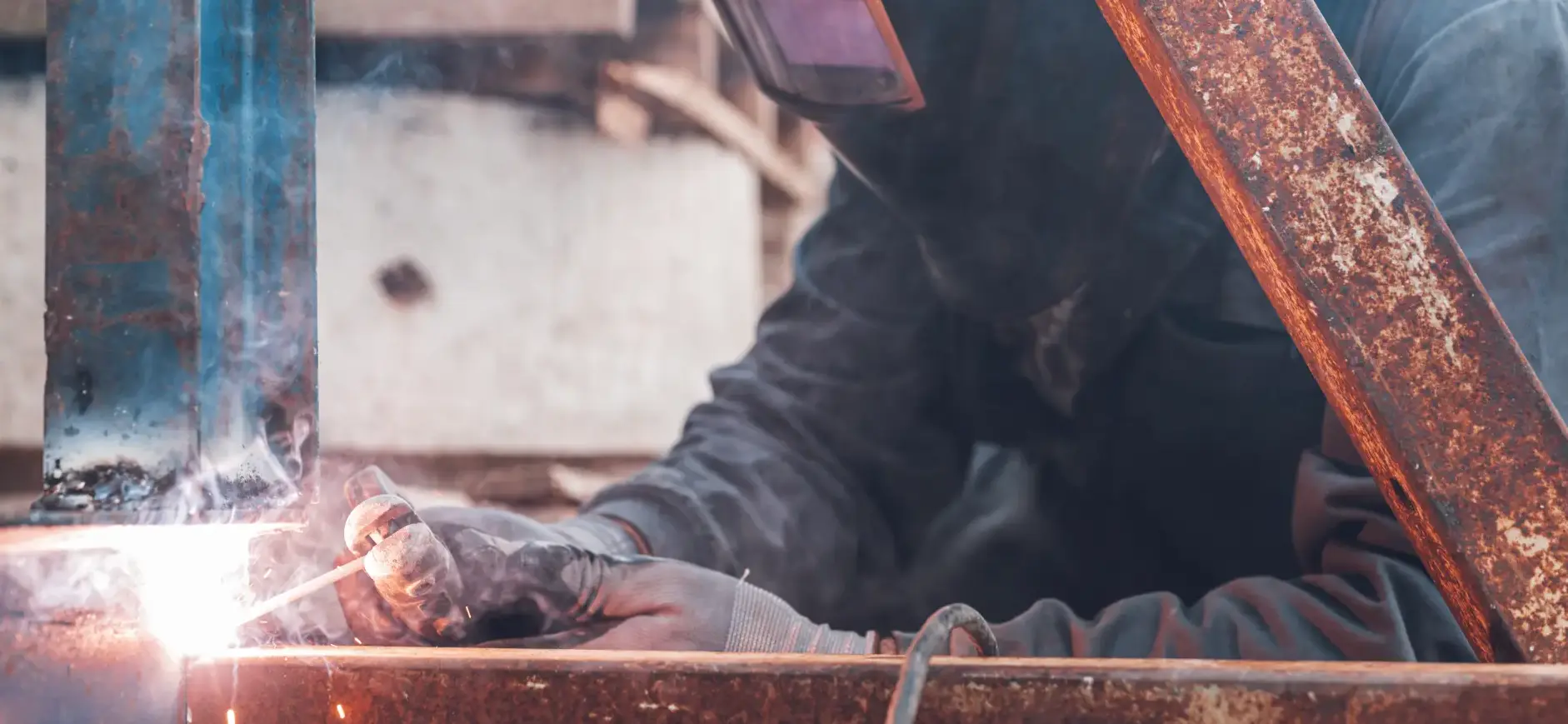
Discover the role of structural steel in modern construction. Learn how it supports tall buildings, bridges, and infrastructure with strength and speed, while meeting modern needs for quality, sustainability, and long-term durability.
Structural Steel in High-Rise Buildings
Structural steel plays a major role in the overall construction of high rise buildings. Its high strength to weight ratio allows building developers to design tall, slender structures that have the ability to support heavy loads without adding unnecessary bulk. This makes steel an ideal choice for skyscrapers, office towers, and other multi-storey buildings where space efficiency and stability are essential.
Another key advantage of structural steel in high-rise construction is its flexibility. Steel frames can absorb and distribute forces caused by wind and seismic activity, which helps keep tall buildings safe and stable. Prefabricated steel sections can also be quickly transported and assembled on-site, reducing build times compared with construction materials such as concrete or masonry.
Alongside strength and speed, steel offers plenty of design freedom. Architects can create open floor plans with fewer internal columns, offering more usable space and greater adaptability for offices, apartments, or mixed-use developments. With the right protective treatments, structural steel also meets strict fire and safety standards, making it a long-lasting and reliable material for modern construction projects.
The Role of Structural Steel in Bridges and Infrastructure
One of the most important materials used in modern bridges and infrastructure is structural steel. It offers a combination of strength and durability, and its versatility makes it especially suited to projects that must carry heavy loads and withstand changing conditions over long periods.
Bridges, railways, pipelines, and highways often rely on steel because it can support intense weight without adding excessive mass to the structure. One of the key benefits of steel in infrastructure is its ability to span long distances without the need for multiple supports. This makes it ideal for suspension bridges, arch bridges, and large overpasses where uninterrupted spans are required.
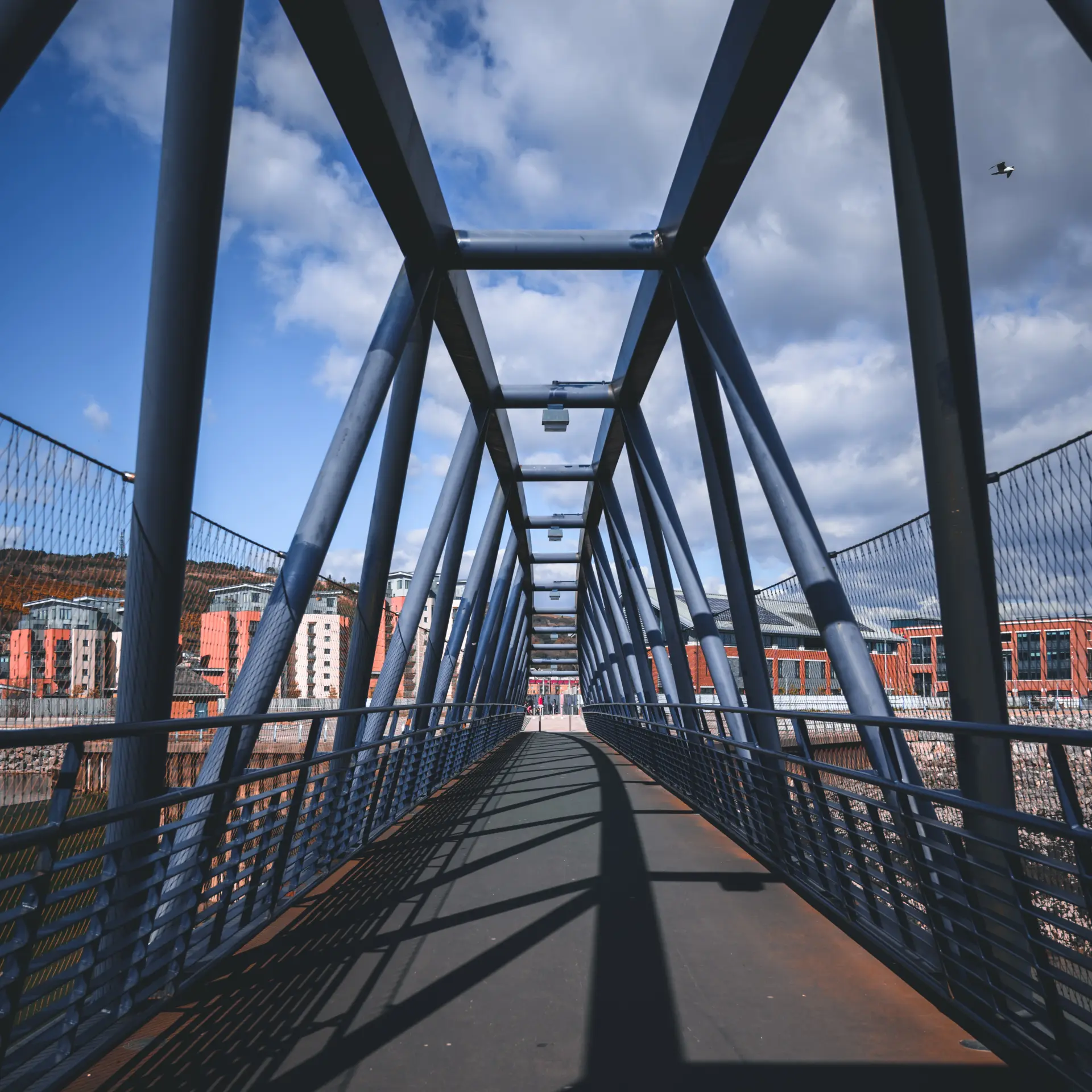
Steel is also flexible enough to handle dynamic forces such as traffic vibrations, wind, and seismic activity, reducing the risk of sudden structural failure.
In addition to performance, structural steel allows for faster and more efficient construction. Prefabricated steel components are usually manufactured off-site, and then they are quickly assembled, which is vital for large scale infrastructure projects where downtime must be kept to a minimum.
With proper protective coatings, steel is resistant to corrosion and can last for decades, even in challenging environments such as coastal areas. Overall, structural steel ensures that bridges and infrastructure are safe and able to meet the demands of modern transport and industry.
Speed and Efficiency in Construction Projects
Structural steel is widely recognised for increasing speed and efficiency in construction. Steel components are manufactured off-site with high precision, then transported to the site ready for assembly. This reduces the need for extensive on-site preparation and minimises delays caused by weather or unexpected conditions.
Prefabrication also allows different parts of a project, such as design, fabrication, and groundwork, to happen at the same time. This shortens overall construction schedules and supports better planning across teams and services, including logistics, lifting, and inspections. Compared with materials like concrete and masonry, steel enables projects to move forward faster. Concrete requires time to set and cure, and masonry depends on skilled labour placing each unit by hand. Steel structures, by contrast, can be erected in weeks rather than months, with bolted or welded connections speeding up assembly.
This efficiency can lower labour costs, reduce disruption in busy areas, and help projects meet strict deadlines. For developers and contractors, the use of structural steel often results in quicker returns because project completion happens sooner.
Sustainability and Recycling Benefits
Unlike many common alternatives, structural steel is recyclable, and it can be repurposed multiple times without losing its strength or quality. This means that steel from old buildings, bridges, and other structures can be melted down and used again for new construction projects. A large percentage of the structural steel used today already comes from recycled sources, which supports sustainability by conserving natural resources and reducing the demand for mining raw materials.
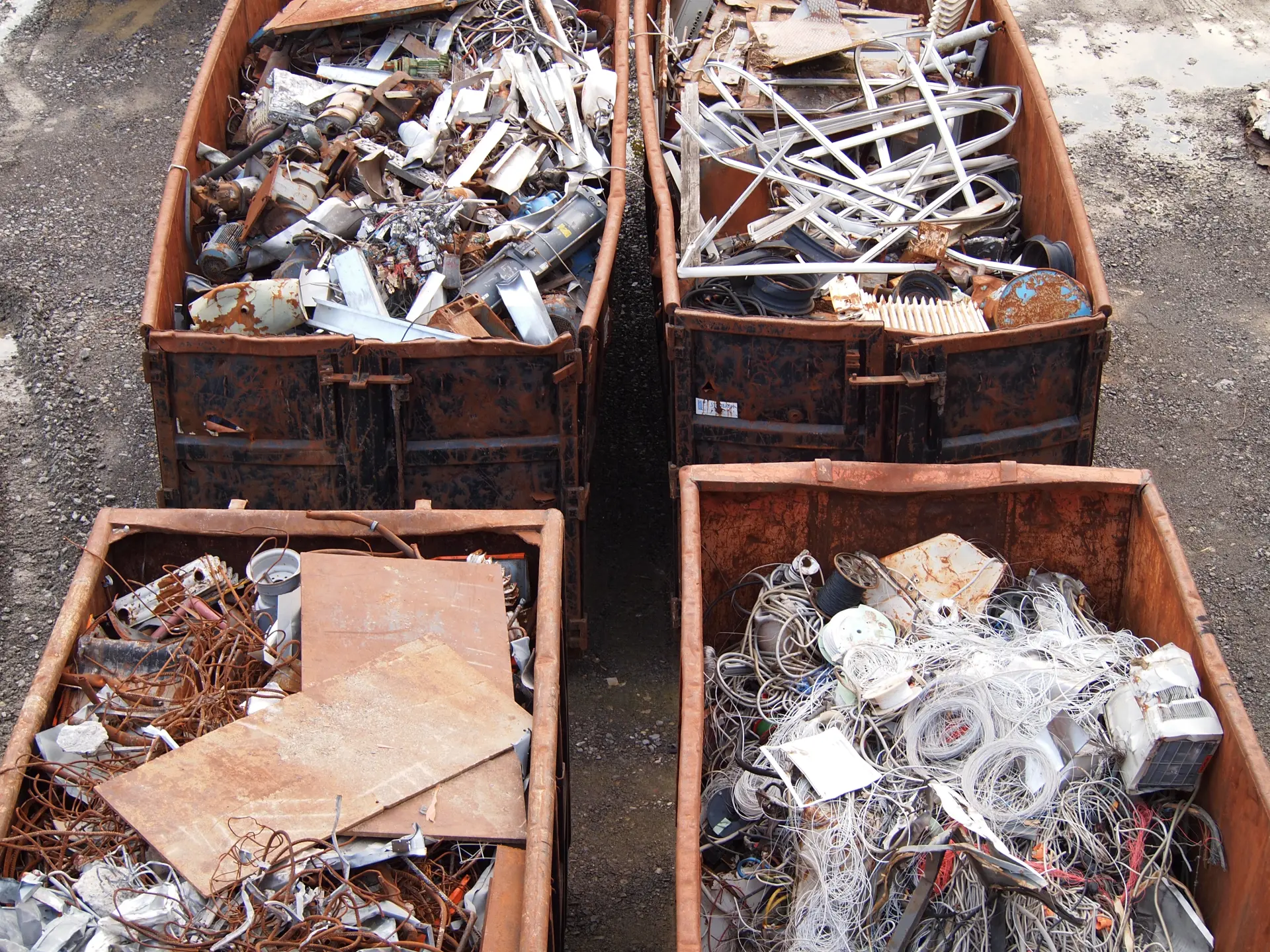
Steel also plays an important role in reducing waste on building sites. Because steel components are manufactured off-site to accurate measurements, very little surplus material is produced during the construction process. This can also mean fewer deliveries to site and better control of materials, which helps reduce disruption in built-up areas.
Compared with other building materials, steel’s recycling performance stands out. Concrete, while strong, is difficult to recycle into the same level of products and often ends up crushed for other use. Timber can be reused in limited ways but is more likely to suffer from decay, pests, and fire, which reduces long-term durability. Aluminium is also recyclable, but the energy needed to produce it can be very high, which increases its environmental impact.
By choosing structural steel, developers and builders can reduce waste, support a more circular approach, and lower the overall environmental impact of their projects.
Quality Control and Reliable Performance
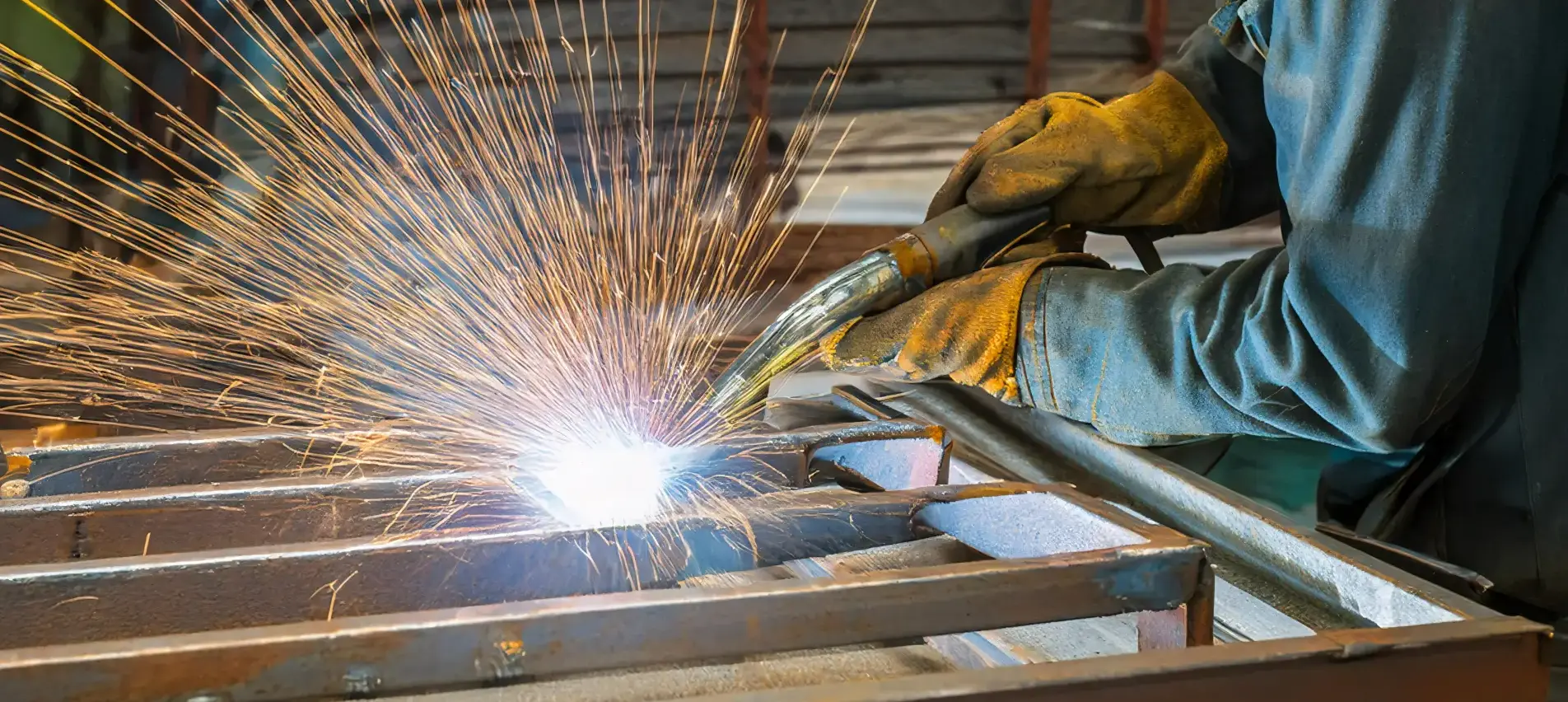
A major reason steel used in modern construction is trusted is the level of quality control available during steel fabrication. Many steel sections, beams, and columns are produced in controlled factory settings, where measurements, welds, and finishes can be checked carefully. This supports high quality results and reduces the chance of errors that can happen when work is done only on site.
This consistency is crucial for buildings and structures that must meet strict rules and required standards. It also helps engineers confirm that a design will perform as expected once it is built. When parts arrive on site ready to fit, the structure can be assembled with greater confidence, and the overall project becomes easier to manage.
Common Steel Components and How They Work Together

Steel structures are made from several steel components that work together to carry loads safely. Beams carry loads across open spaces, while columns transfer weight down into the foundations. In many frames, beams columns systems form the main skeleton of the building, and steel sections are chosen based on the span, weight, and performance required.
This clear structural layout is one reason why structural steel’s use is so wide. It suits everything from industrial buildings and warehouses to schools, offices, and high rise buildings. It is also often combined with concrete floors or cores, creating a strong and efficient mixed structure that uses the strengths of both construction materials.
Design Flexibility and a Wide Range of Applications
Structural steel plays an important part in giving designers more freedom. Because steel has high strength to weight, it can support longer spans with fewer internal supports. This helps architects create larger open areas for modern layouts, which is ideal for shops, offices, and public spaces where flexibility matters.
This versatility supports a wide range of applications, including complex shapes and modern features that may be difficult to achieve with other materials. Steel can also be designed for future changes, such as added floors, new openings, or changes in use, without needing to rebuild large parts of the structure. That ability to adapt is increasingly important as buildings are expected to last longer and respond to new needs over time.
On-Site Safety, Access, and Reduced Disruption

Safety is a major focus in the construction industry, and structural steel can help here too. Because many parts are prepared through steel fabrication before arriving on site, there is often less cutting and shaping needed during installation. This can reduce on-site hazards and help teams work in a more organised way.
Faster assembly can also mean less disruption to neighbours, road users, and nearby businesses, especially in city-centre construction projects. For bridges and other public works, speed can reduce closure times and limit the impact on transport services. This is one reason steel is often chosen when time, access, and public safety are key concerns.
Long-Term Durability and Maintenance
Strength and durability are among the biggest reasons steel is used for demanding structures. With suitable protection, such as paint systems, galvanising, or advanced coatings, steel can resist corrosion and keep its performance for decades. This matters for bridges, coastal structures, and buildings exposed to harsh conditions.
Maintenance planning is also important. Steel frames are easier to inspect than some other materials because key elements such as beams and columns can be checked and repaired when needed. This helps owners manage long-term costs and protect the lifespan of the structure.
Future Innovations in Structural Steel
One of the most significant areas of innovation is the development of high-performance steels that are even stronger and lighter than existing options. These modern materials allow engineers to design more efficient structures while using less material, which can reduce both costs and environmental impact.
Another area of progress is lower-carbon production. Newer methods are aiming to reduce emissions by using cleaner power sources and improving how steel is made. This includes more use of electric arc furnaces and ongoing work to reduce the environmental impact linked to manufacturing.

Technology is also changing how steel is used on site. Digital planning tools help architects and engineers create accurate designs and reduce mistakes, which improves speed and quality. Better automation and improved fabrication methods are also making it easier to create precise steel components for modern construction.
Finally, the future is likely to bring smarter protective systems, improved joining methods, and more efficient steel sections that help structures last longer while using less weight overall. This supports a future where buildings are designed to be strong, adaptable, and more sustainable from the start.
If you need fabrication and engineering services nearby, contact Anderson Engineering And Welding Services today. We provide reliable, high-quality solutions across Manchester and the North West to meet all your fabrication and engineering requirements.