Get expert insights with our structural steel guide for homeowners. Find out how steel supports larger rooms, SWIFT installation, and meets UK building standards.
Why Structural Steel Is Used in Homes
Structural steel is used in many homes across the UK because it is strong, reliable and able to carry heavy loads over long spans. This makes it useful when a wall is removed, a larger room is created, or a new part of the home needs extra support.
In lots of older homes, internal walls help support the floors and roof above. When those walls are removed to create an open-plan kitchen, dining area or living space, the load still needs to be carried. A steel beam can take the place of the wall and transfer the weight safely to other parts of the structure.
Steel is also used because it can be made to exact sizes. This helps builders fit it into tight spaces, support complex designs and meet the details set by a structural engineer.
Common Types of Structural Steel in Residential Builds
There are several types of structural steel used in home projects. The right choice depends on the design, the load it must carry and where it will be installed.
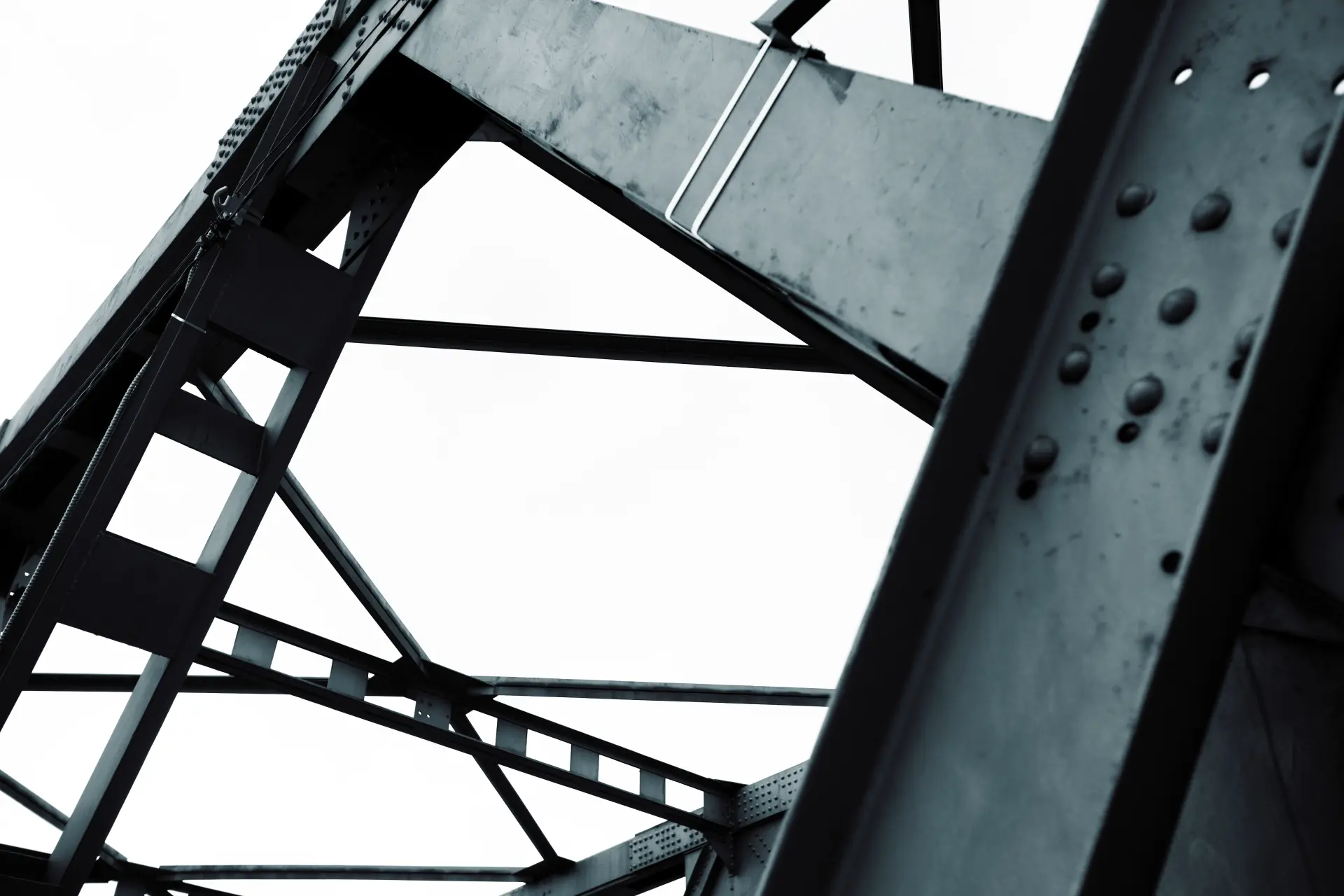
Steel beams are one of the most common types. They are often used to support floors, roofs or walls above an opening. A beam may be installed when removing a load-bearing wall or creating a large opening for bi-fold doors.
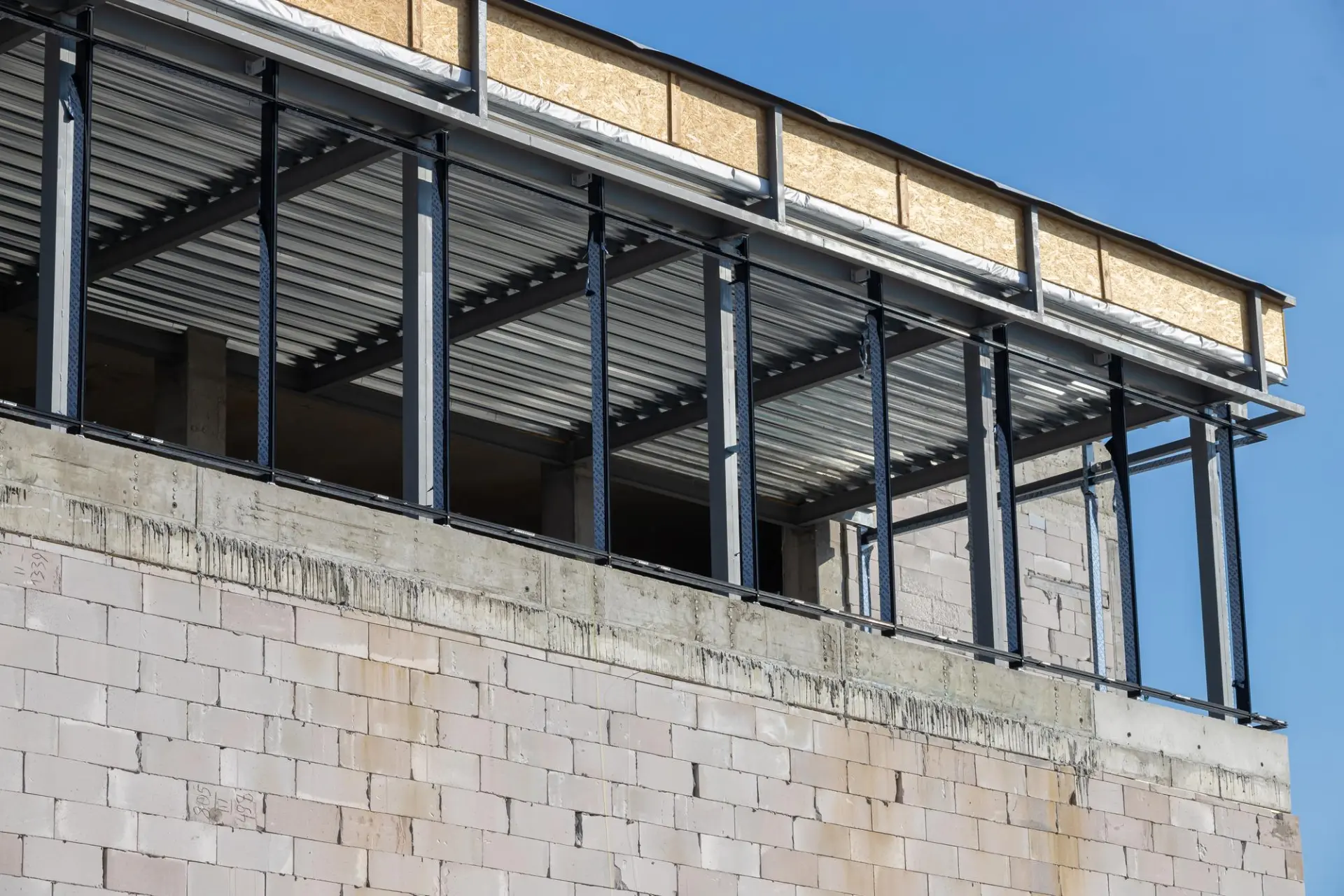
Steel columns are upright supports. They carry loads down to the foundations or another strong part of the building. They are often used with beams when there is no wall below to carry the weight. Universal beams are commonly called I-beams because of their shape. They are designed to carry heavy loads across a span.
Universal columns are similar to beams but are often more compact in shape. They are used where vertical support is needed.
Steel box sections are hollow steel sections. They are often used where a neat shape, high strength or a special design is needed.
Steel plates may be used to connect parts of the structure, strengthen areas or spread loads.
Where Structural Steel Is Used in a Home
Structural steel can be used in many areas of a home. It is not limited to large buildings or commercial projects.
One common use is in open-plan living spaces. When a wall is removed between rooms, steel may be needed to carry the weight above. Steel is also used in rear extensions, especially where large door openings are planned. A steel beam can support the wall or roof above wide patio doors, sliding doors or bi-fold doors.
In loft conversions, steel beams may support new floor joists or roof changes. This is especially common when the existing ceiling joists are not strong enough to act as a floor. For garage conversions, steel may be needed if a new opening is made or if support is required where the structure changes.
Steel is also used in new builds, basement works, chimney breast removals and roof alterations.
Benefits of Structural Steel for Homeowners
Structural steel offers numerous benefits for homeowners. The main and most important benefit is strength. Steel can carry heavy loads while taking up less space than some other materials. This can help create larger rooms and cleaner layouts.
Another benefit is design freedom. Steel allows wider openings, fewer support walls and more flexible room plans. This is useful for homeowners who want bright, open spaces.
Steel is also a very consistent material. It is made under controlled conditions, so its strength and size can be measured accurately. This gives engineers and builders confidence when designing and installing it.
It can also be quick to install once the site is ready. A steel beam may be lifted into place in a short time, although the preparation around it can take longer.
Structural Steel vs Traditional Building Materials
Traditional homes typically rely on brick, block, timber and concrete. These materials are still widely used throughout the UK and can be excellent choices. Structural steel is different because it is often used where high strength is needed in a smaller space.
Compared with timber, steel is usually stronger for long spans. Timber can be easier to cut and handle, but it may need greater depth or more support to carry the same load.
To contrast against brick or block walls, steel can carry loads without needing a full wall below. This makes it useful when opening up a space.
Opposed to concrete, steel is often much lighter and easier to install in small residential projects. However, concrete may still be used for foundations, floors and other parts of the structure.
In many homes, these materials work together. For example, a steel beam may sit on padstones built into masonry walls.
Understanding Steel Beams and Columns
A steel beam is a great form of horizontal support for your structure. It carries weight from above and transfers that weight to supports at each end. These supports may be walls, columns or other beams.
A steel column is also used for vertical support. It helps to carry the weight downwards. Columns are needed in building projects when there is not enough wall support below a beam, or when a design needs a clear opening.
The size of a beam or column is not chosen based on guesswork. A structural engineer will work out the loads and specify the perfect steel size for the job at hand. The engineer will then consider the span, the weight above, the type of building, and the position of supports alongside the foundations.
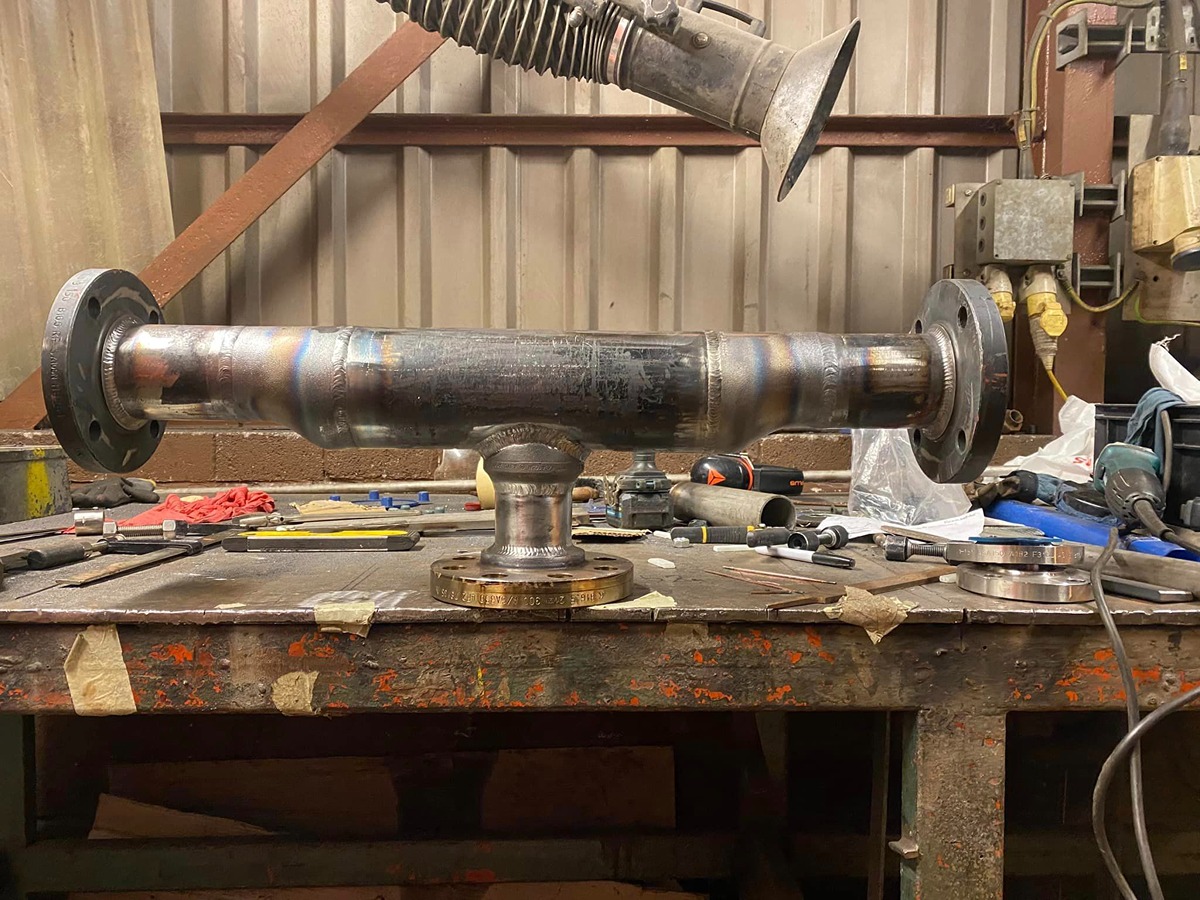
Steel beams typically need to be connected using bolts, plates or welds. These connections are important because the steel must work as part of the whole structure.
The Role of Structural Engineers
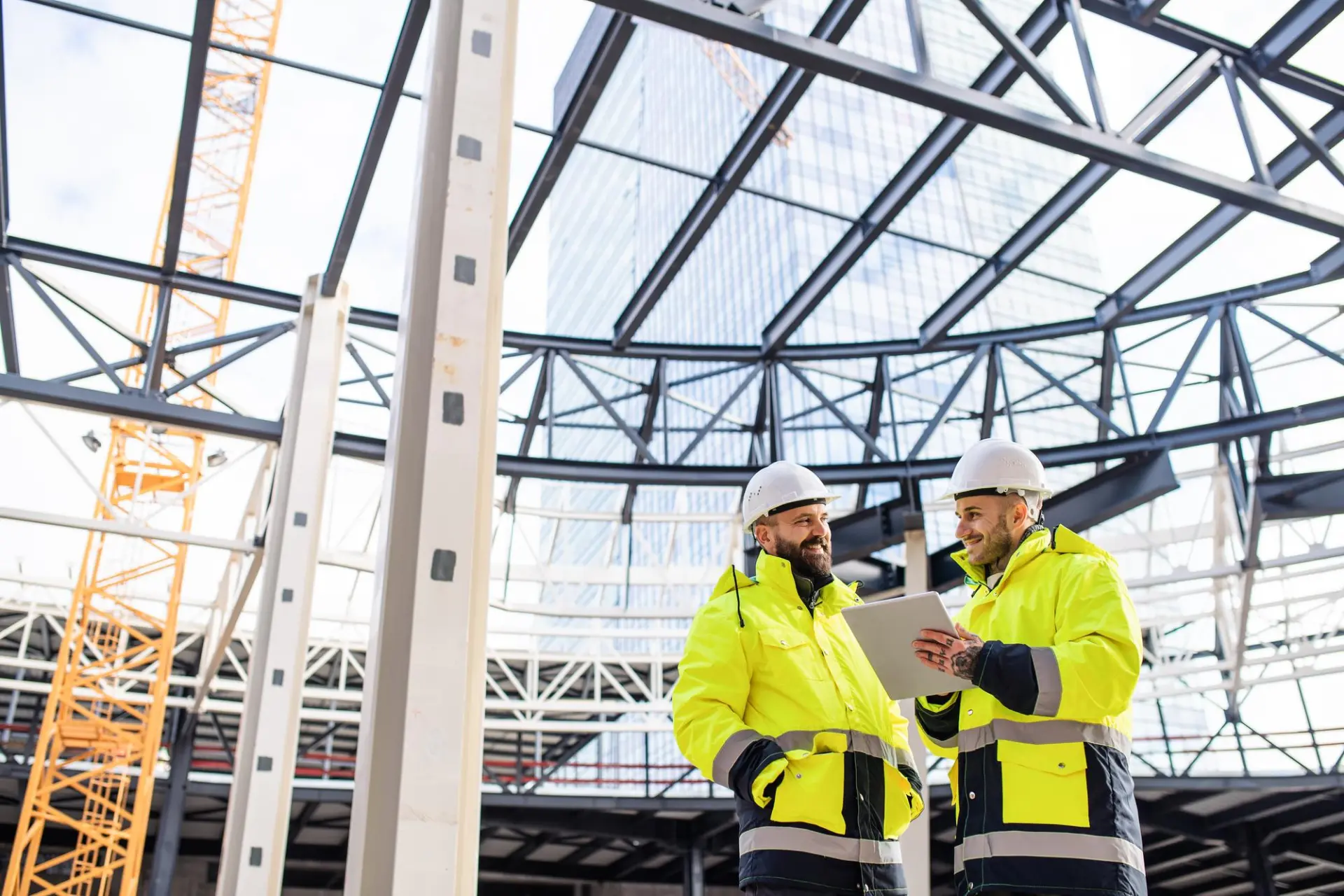
Structural engineers play a particularly vital role in any building project involving structural steel. It’s their job to make sure all the proposed work is completely safe and suitable to go ahead.
They will then assess the building, calculate loads and design the steelwork needed. They may produce drawings, calculations and steel specifications. These documents are often needed by builders, steel fabricators and building control.
A structural engineer may also be there to give advice on padstones, foundations, temporary supports and connections. This is a great way to help prevent any dangerous movement, cracking or unsafe work.
Homeowners should not rely solely on the builder to determine the size of a steel beam. A skilled builder is important, but structural design should be handled by a qualified professional.
Planning Permission and Building Regulations
It’s good to be aware that planning permission and building regulations are not the same thing.
Planning permission deals with how a project affects the look, size and use of a property, as well as how it may impact the surrounding environment and local community. Some extensions and alterations may need some level of planning permission before going ahead, whereas others may fall under permitted development rights.
Building regulations deal primarily with safety, structure, fire protection, insulation, ventilation and other updated standards. Structural steel work will usually need building regulations approval because this is something that affects the strength of the building.
Building control may ask for structural drawings and calculations. They may inspect the work before, during or after installation. This helps confirm that the steel has been installed correctly and safely.
Homeowners should always check what approvals are needed before any of the work begins. Starting without the right approval can cause several problems when selling the property or arranging insurance.
Costs of Structural Steel in Residential Projects
The cost of structural steel depends on several factors. These include the size of the steel, the number of beams or columns, the complexity of the design, fabrication, delivery, lifting equipment and installation.
A simple beam for a small opening will typically cost a lot less than a complex steel frame for a large extension. Costs can also rise if access is difficult, if cranes or special lifting equipment are needed, or if extra building work is required.
Homeowners should also allow for related costs, such as:
• Structural engineer fees.
• Building control fees.
• Temporary supports.
• Padstones or foundation work.
• Fire protection.
• Making good walls, ceilings and floors after installation.
The lowest quote is not always the best choice. It is important to check what is included, whether the steel is made to the engineer’s design, and whether installation is covered.
Installation Process: What to Expect
The installation process usually starts with design and approval. A structural engineer prepares the calculations and drawings. The steel is then ordered from a supplier or fabricator.
Before the steel is installed, the builder may need to prepare the area. This can include removing finishes, opening up walls, building padstones and putting in temporary supports. Temporary supports are completely necessary for this kind of work because they hold the structure in place while the steel is being fitted.
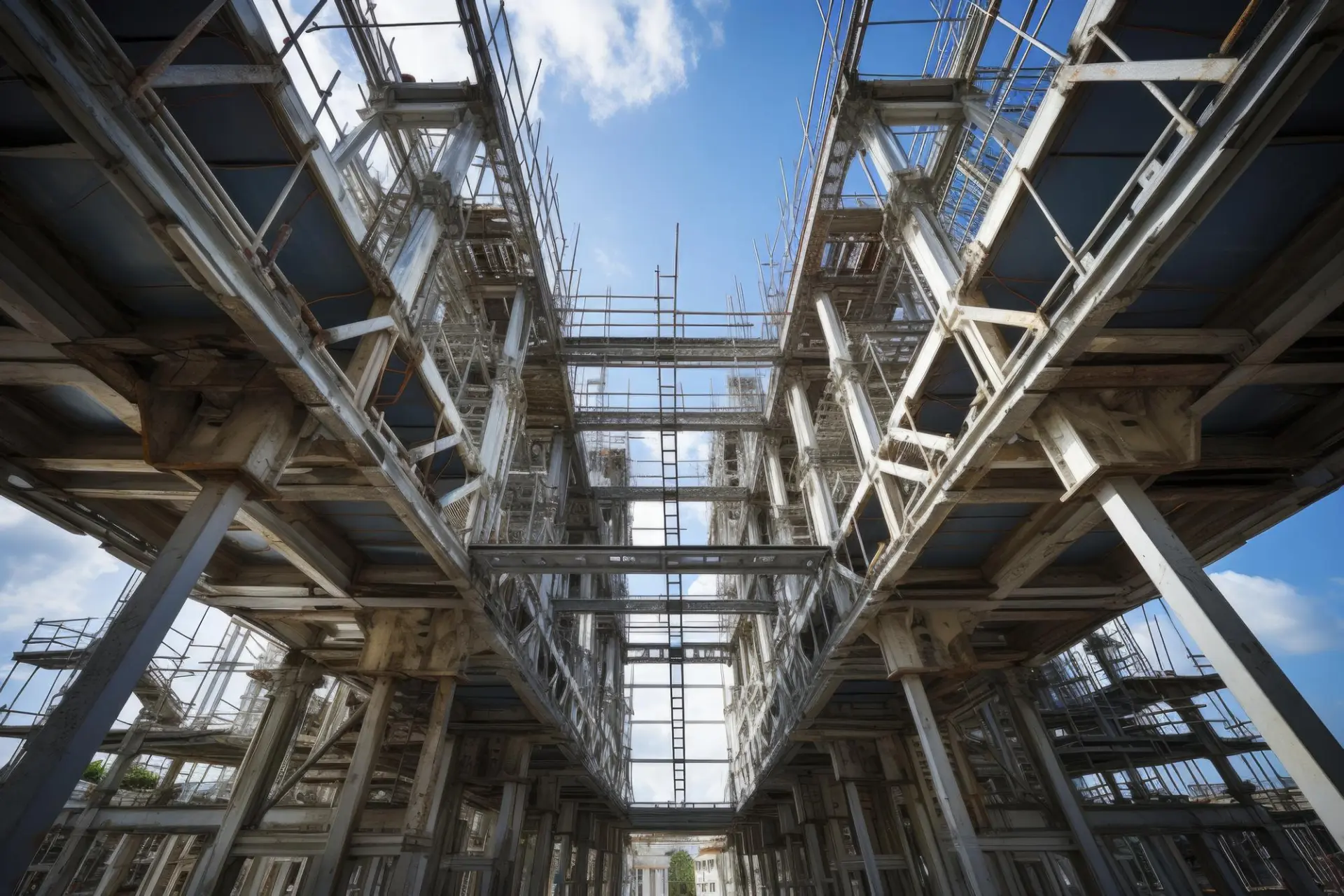
The steel is then delivered to the site. Depending on the size and weight, it may be lifted by hand, with lifting equipment or with a crane.
Once in place, the beam or column is fixed according to the design. The builder may then complete surrounding works, such as brickwork, bolting, packing, fire protection and plasterboard finishes.
Building control may inspect the steel before it is covered. Homeowners should keep copies of the structural calculations, drawings and approval documents.
Safety and Strength: Why Steel Is Reliable
Steel is reliable because it has high strength and predictable performance. It can be tested, measured and produced to strict standards.
In a home, steel must be installed exactly as designed. Even a strong beam can fail to perform properly if it is poorly supported, incorrectly connected or installed without enough bearing at each end.
This is why proper design, skilled installation and inspection are so important. The safety of the steel depends not only on the beam itself, but also on the walls, padstones, columns, foundations and connections around it.
When designed and fitted correctly, structural steel can provide long-lasting support for major changes to a home.
Maintenance and Longevity of Structural Steel
Structural steel can last for many years with the right protection. In most homes, steel is hidden inside the building and is not exposed to the weather. This helps protect it from rust and damage. The main risk to steel is corrosion, which can happen if moisture reaches it. Leaks, damp areas or poor ventilation can increase this risk. Homeowners should deal with water problems quickly to protect the structure.
Steel may be painted, coated or protected before installation. In some cases, special coatings may be needed, especially where steel is exposed or in damp areas.
Once the steel is covered by plasterboard or other finishes, it should not need regular maintenance. However, signs such as cracking, movement, damp stains or rust marks should be checked by a suitable professional.
Fire Protection and Safety Measures
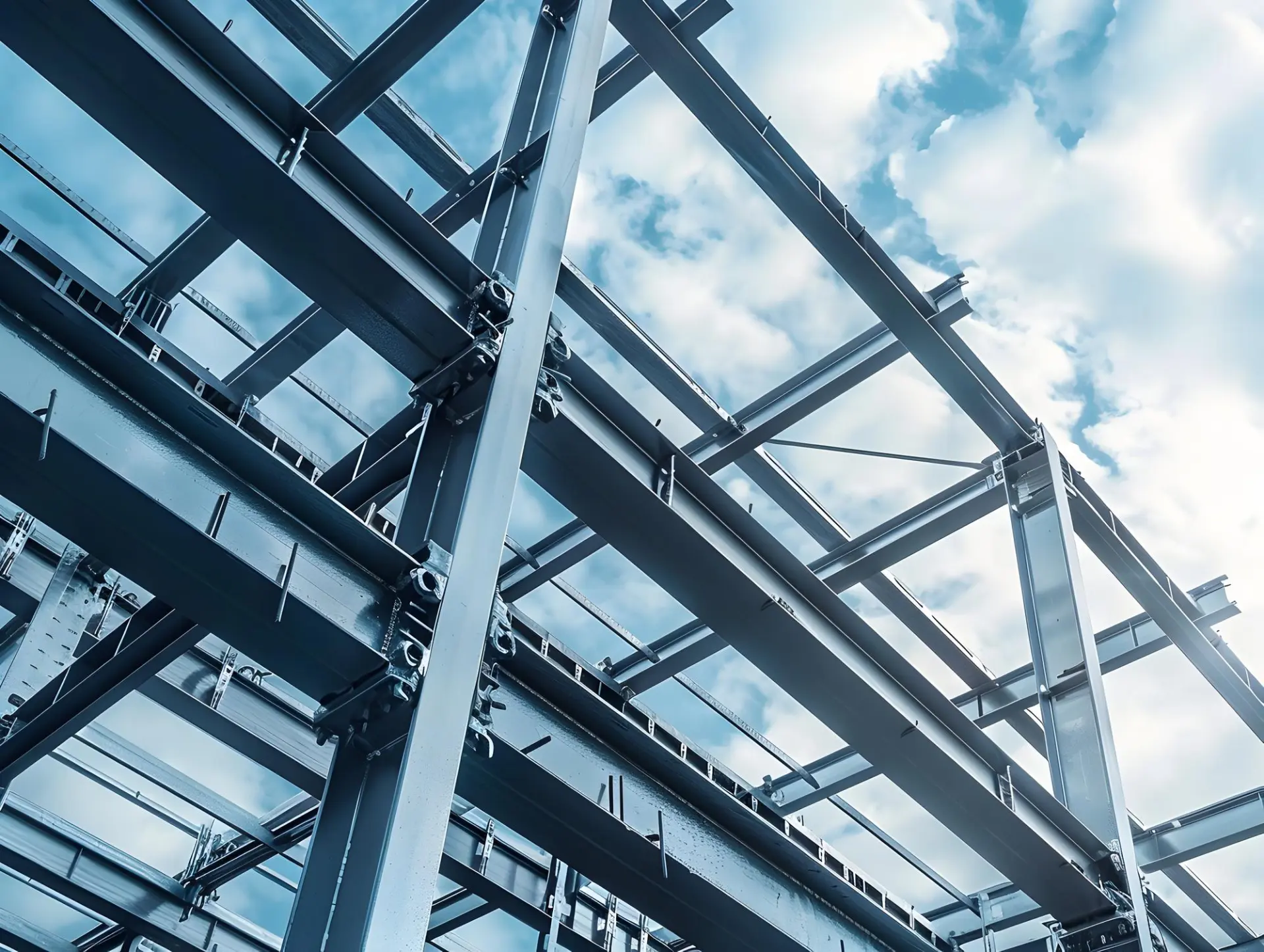
Structural steel can lose strength when exposed to very high heat, so fire protection is often required. In homes, this usually means covering the steel with fire-rated plasterboard or another approved fire protection system.
The level of fire protection needed depends on the building design and building regulations. Building control will usually expect the steel to be protected before the work is signed off.
Fire protection must be installed properly. Gaps, poor joints or damaged boards can reduce its effectiveness. The builder should follow the required details and use suitable materials.
Other safety measures may include smoke alarms, safe escape routes and fire doors, depending on the wider project.
Environmental Impact of Structural Steel
Steel has both environmental benefits and drawbacks.
Producing steel uses a lot of energy, so it has quite an environmental cost. However, steel is also highly recyclable. Many steel products contain a multitude of recycled materials, and steel is one of those materials that can often be reused or recycled again at the end of a building’s life.
Structural steel can also support designs that improve a home’s use of space. For example, it can allow larger openings for natural light or help create better layouts without needing a larger building footprint.
To reduce the overall environmental impact, homeowners can work with suppliers who source steel responsibly, avoid over-ordering and recycle offcuts where possible.
Choosing the Right Supplier or Contractor
Choosing the right supplier or contractor is important for safety, quality and value.
A good contractor should understand structural drawings, work safely with temporary supports and install steel according to the engineer’s details. They should also be willing to work with building control.
A good steel supplier or fabricator should be able to make the steel to the correct size and specification. They should understand cutting, drilling, welding and delivery needs.
Before choosing, homeowners should check:
• Experience with similar residential projects.
• Clear written quotes.
• Insurance.
• Timescales.
• What is included in the overall price.
• How changes or unexpected issues will be handled.
• Whether the work will follow the engineer’s design.
It is also sensible to ask how the steel will be delivered and lifted into place, especially if access is narrow or the beam is large.
Anderson Engineering And Welding Services are trusted structural steel suppliers serving Manchester and the North West. From design to installation, we deliver strong, custom steel solutions for commercial and residential projects.