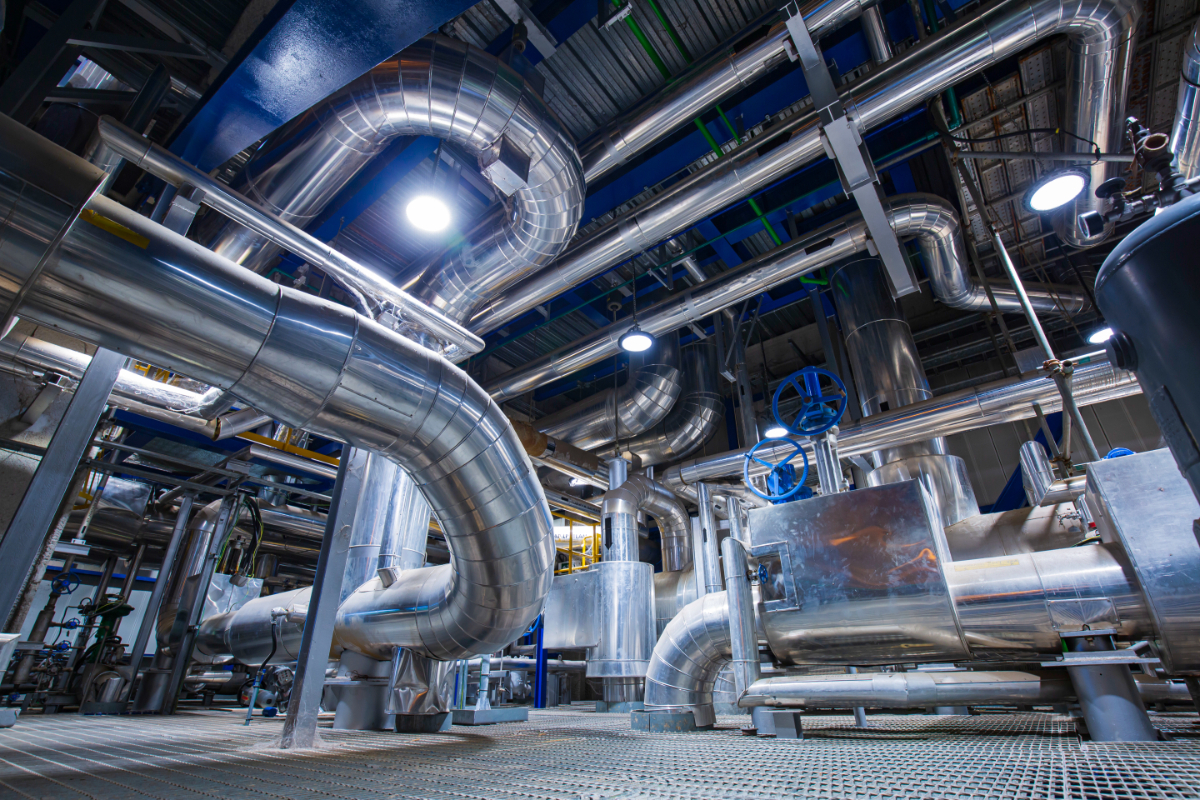
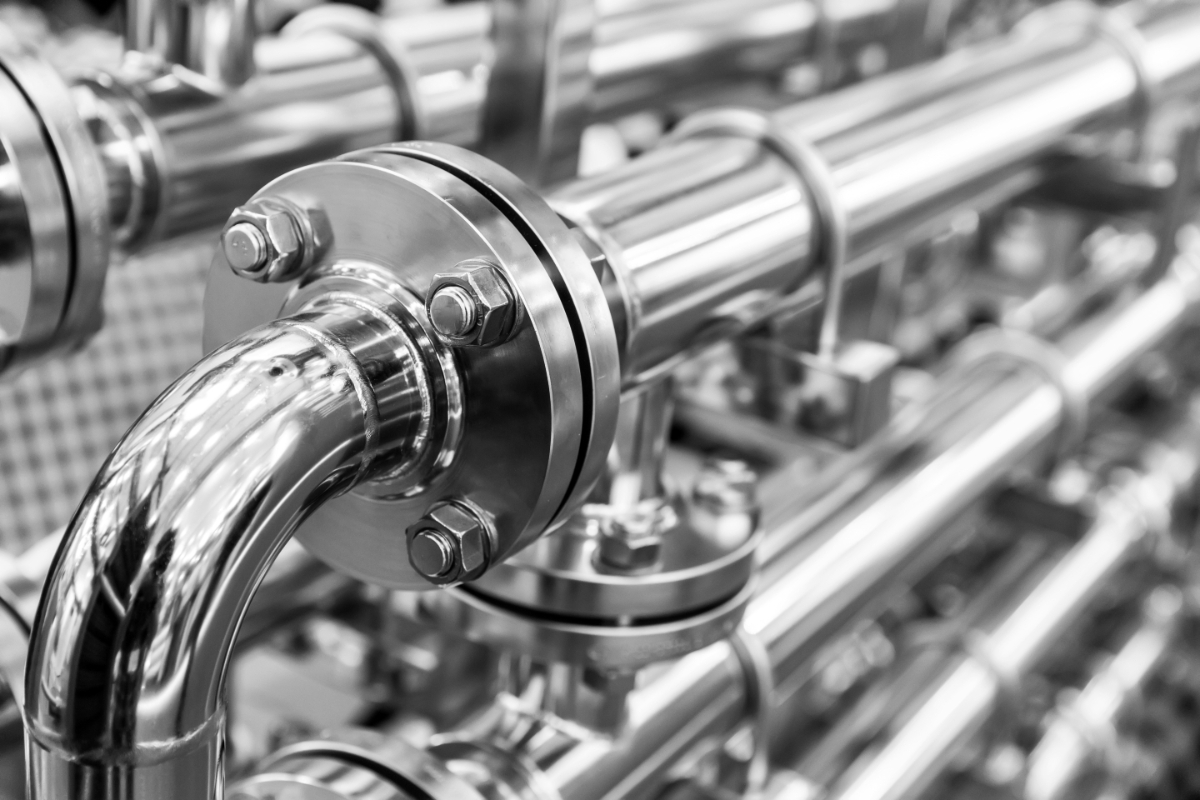
Hydrostatic testing is a method used to check whether a system can handle pressure safely. It is commonly used on pipes, pipelines, pressure vessels, gas cylinders, tanks, and other pressurised equipment. The test uses water, or another suitable liquid, to find leaks, defects, and weaknesses before the system is put into operation.
Find out when you need hydrostatic testing, including after installation, during safety checks, after repair work, or before using old equipment again. This test helps detect leaks, confirm structural integrity, and ensure the system meets the required safety standards.
What Is Hydrostatic Testing?
Hydrostatic testing is a pressure test that uses a nearly incompressible liquid, usually water, to apply hydrostatic pressure inside a vessel, pipe system, line, tank, or container. Because water is an incompressible liquid, it stores far less energy than air or gas under pressure. This makes the test safer than using gas in many applications.
During the testing process, the vessel or pipe system is filled with water and pressurised to a set test pressure. The test pressure is usually higher than the normal operating pressure, with a safety factor added to confirm strength and reliability. Engineers then check the system for a leak, pressure loss, shape change, or other signs of failure.
The purpose of the test is to prove that the system can safely carry pressure during normal use. It can also help identify cracks, weak joints, damage, permanent changes, and other faults that may not be visible during a normal inspection.
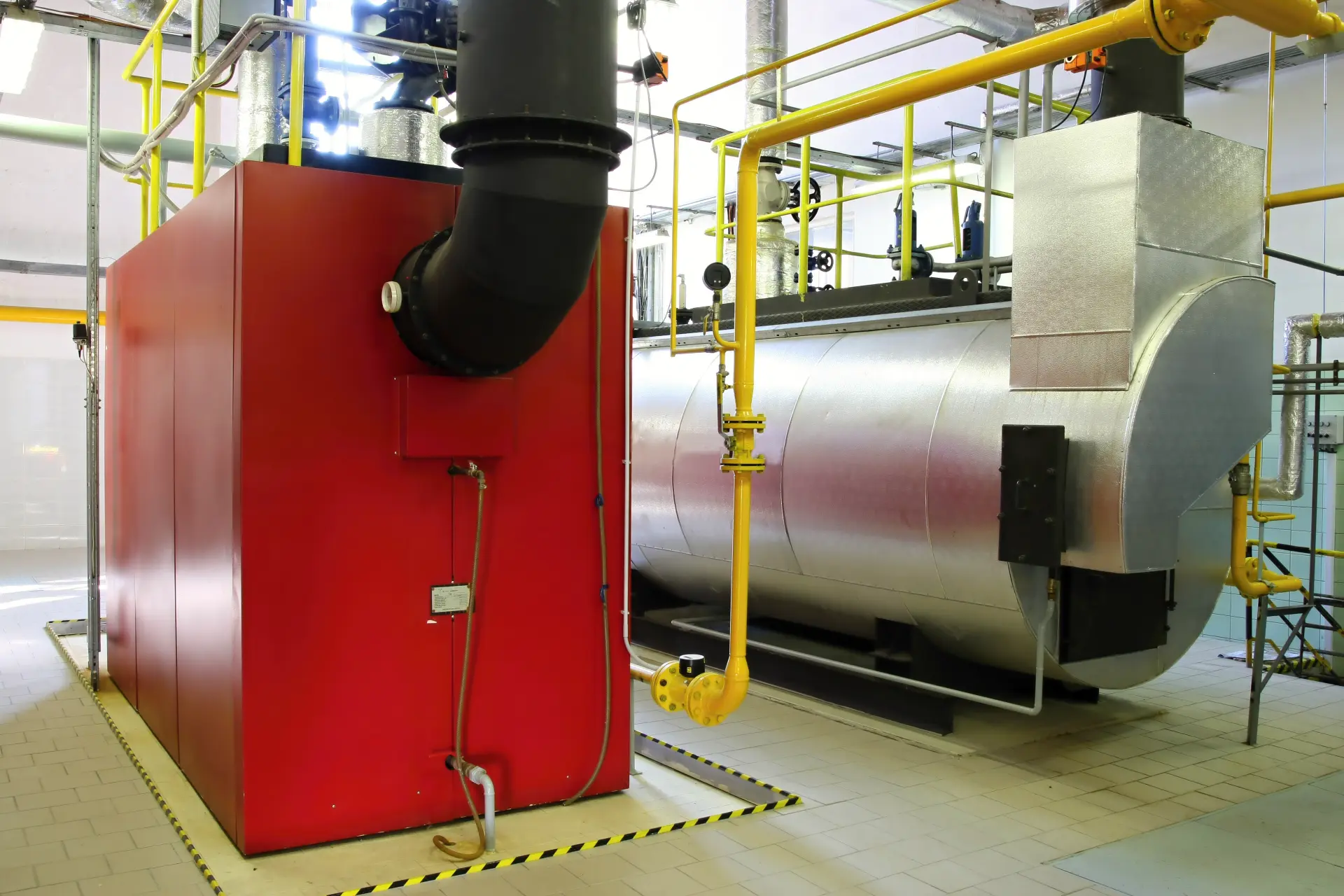
After New Equipment Is Installed
New equipment such as pipes, tanks, cylinders, and pressure vessels should often be tested before it goes into service. Even when the equipment is new, small defects, transport damage, or installation faults can create a leak once the system is pressurised.
A hydrostatic test helps spot these problems early. Water is used to fill the system, and pressure is then raised to the required test pressure. If any leaks appear, repair work can be carried out before the system is used. This step is often required as part of the installation procedure and helps confirm the equipment is safe to operate.
The pressure test also helps the company supplying or installing the equipment prove that it is fit for purpose. Many businesses that supply high pressure systems include hydrostatic testing as part of their standard services. This is especially important for equipment designed for industrial use, pipeline construction, plumbing, oil, gas, and other pressure applications.
During Routine Safety Checks
Systems that carry water, gas, oil, or other fluids under pressure should be checked regularly. Routine safety checks help confirm that pipes, pipelines, pressure vessels, and other components are still safe and working as intended.
Hydrostatic testing is one of the most common ways to carry out this type of check. It can detect leaks that may not be visible but could lead to damage, safety dangers, or failure if left untreated. Over time, pressure, corrosion, vibration, and normal use can affect joints, seals, pipes, and other parts of the system.
A pressure test gives clear results and helps identify where repairs may be needed. A company that offers testing services can perform the test, record the pressure reading, and provide information for compliance, health and safety records, or legal inspection. In some cases, regulations or local guidelines may state how often a test is required.
After Repairs or Modifications
If a system has been repaired, altered, or extended, it will often need another pressure test. A repair may fix one problem, but the work can expose another issue if the system is not checked carefully.
A hydrostatic test is used to ensure the repaired area does not leak and that the whole system can still handle pressure safely. Even a small change to a pipe, vessel, joint, or fitting can affect how the system behaves when pressure is applied.
Testing after repair work is an important step in maintaining trust in the system. It helps confirm that the equipment still meets the required standards and manufacturer specifications. It also gives operators confidence that the system can continue to perform safely during normal operation.
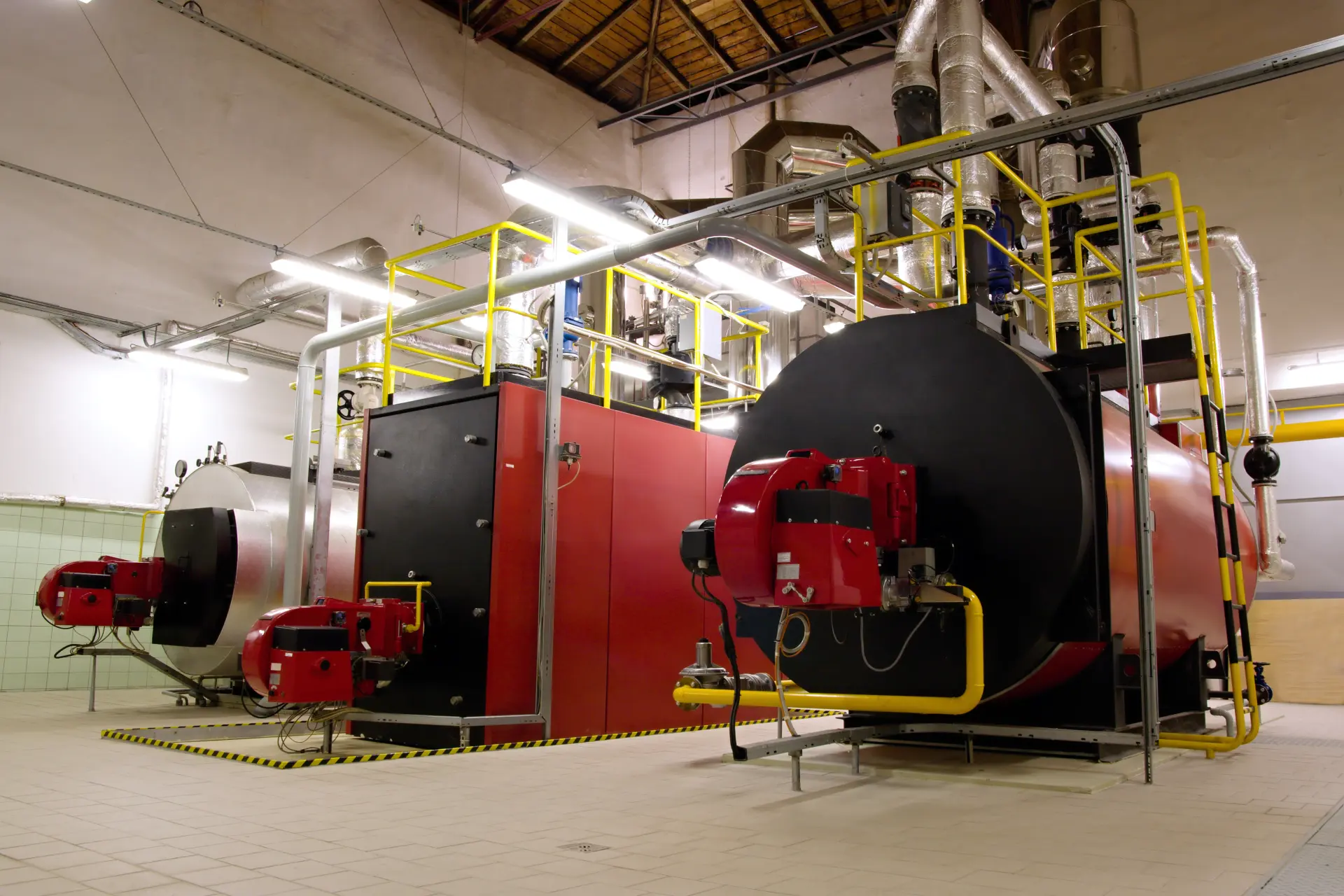
If There Are Signs of Leaks or Damage
Any sign of a leak or damage should be taken seriously. This may include a drop in pressure, visible water marks, damp areas, air escaping, cracks, corrosion, or changes in how the system works. These signs may point to a hidden weakness.
Hydrostatic testing uses water to apply pressure and check for leaks. Water can make leaks easier to see, especially at joints, welds, valves, and fittings. If a leak is found, the system can be isolated and repaired before it fails.
This type of test helps prevent small problems from becoming major safety risks. A leak in a pressurised system can lead to equipment shutdown, burst pipes, release of fluids, or even explosion in certain situations. Regular testing when faults are suspected helps reduce risk and protects people, property, and equipment.
On Equipment That Has Been Unused for a While
If a tank, boiler, pressure vessel, gas cylinder, or line has not been used for months or years, it may no longer be safe. Rust, corrosion, ground movement, temperature change, or age can weaken the material without any clear external signs.
Before using the equipment again, hydrostatic testing may be required. This test helps ensure the vessel, pipe, or container still has enough strength to do the job safely. Water is used to fill the system, and pressure is applied to check its condition.
Using equipment that has not been tested after a long break can be risky. Hydrostatic testing helps reduce the chances of sudden failure and gives peace of mind before the system is returned to service.
When Required by Law, Standards, or Regulations
Hydrostatic testing may be required by law, safety standards, insurance rules, or industry regulations. The exact requirements depend on the type of equipment, the pressure rating, the material, and the application.
Pressure vessels, gas cylinders, pipelines, and other pressurised systems often have set testing periods. Some cylinders must be tested after a certain number of years. Some pipelines must be tested before use, after repair, or after a change in operating conditions.
Standards and guidelines may also state the minimum test pressure, actual test period, and method that must be used. In many cases, the test must be conducted by trained engineers using suitable test equipment. Records are usually kept to show that the test was completed and that the system passed.
Before a System Is Put Back into Operation
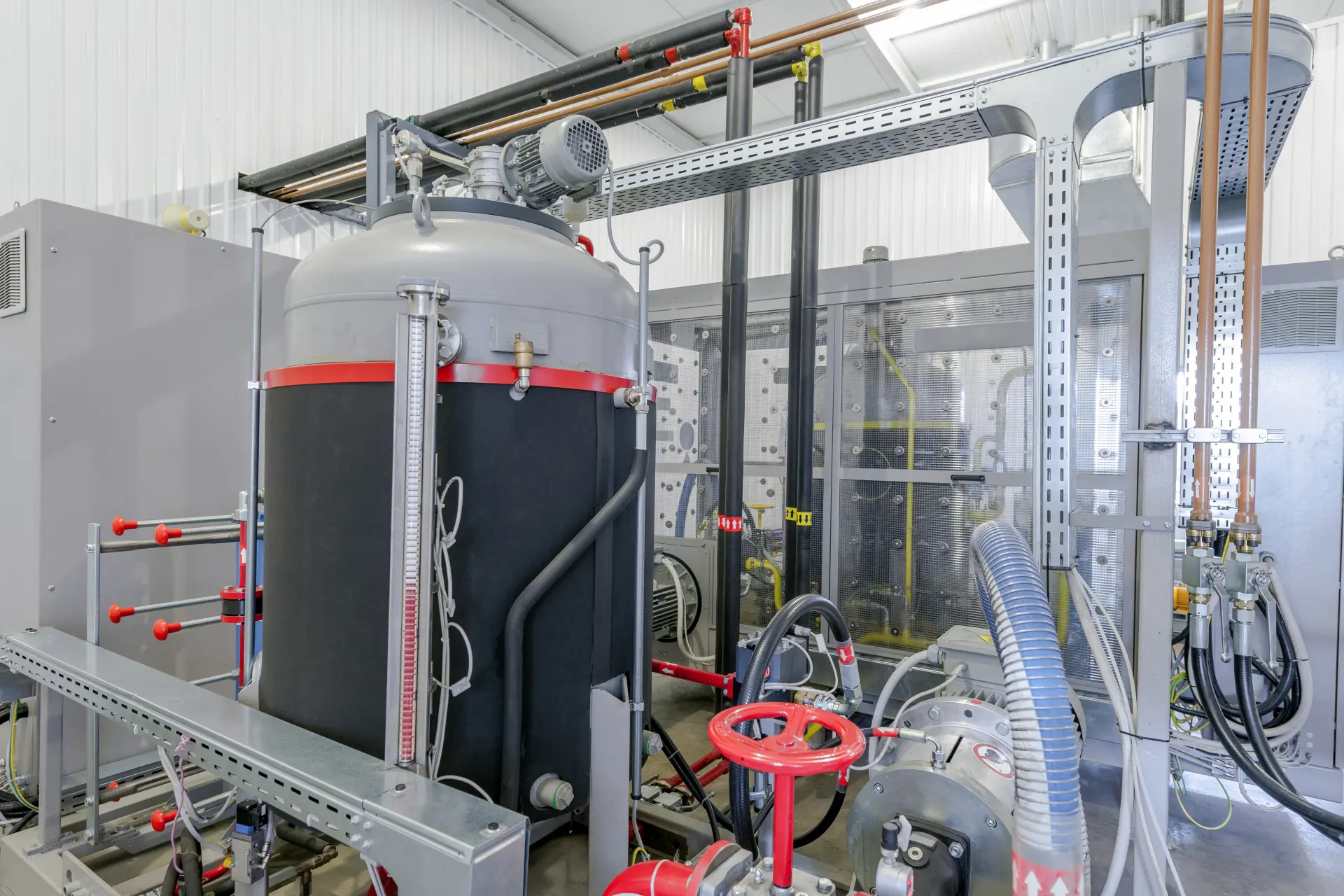
A pressure test may be needed before a system is restarted after maintenance, shutdown, relocation, or long storage. This is common when the system is essential to a site, project, or production line.
Before operation begins, engineers may check that all parts are correctly installed, filled, vented, and pressurised. Any trapped air is usually removed because air can affect the test and increase danger. Once the system is full of water, the pressure is raised and monitored for a set time.
If the pressure remains stable and no leak is found, the system may be considered safe to use. If the system fails, it must be examined, repaired, and tested again before it can continue.
How Hydrostatic Testing Works
The procedure generally starts with an inspection of the equipment. Engineers check that the vessel, pipes, valves, joints, and other components are suitable for the test. The system is then filled with water or another liquid.
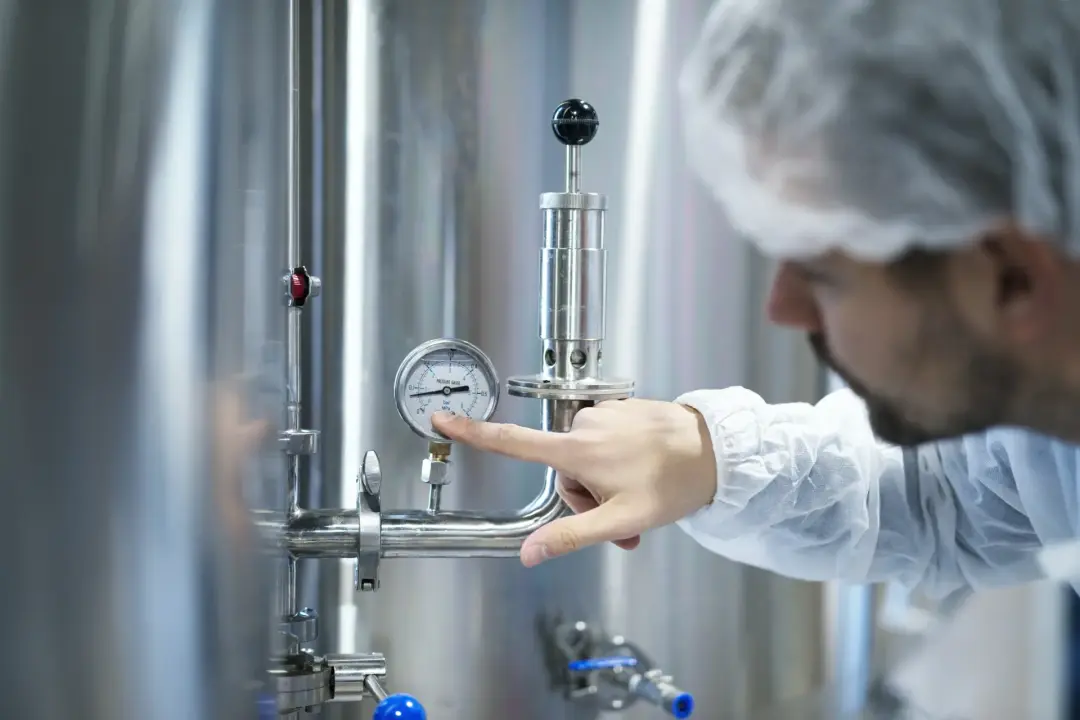
The pressure is applied slowly until it reaches the required test pressure. This pressure is then held for the actual test period. During this time, engineers monitor the system and check for pressure drops, visible leaks, expansion, or permanent changes.
In some cases, a water jacket test may be used, especially for gas cylinders. In this method, the cylinder is placed inside a water filled jacket. The change in water level is measured to check the volume expansion of the cylinder under pressure. If the cylinder shows too much permanent expansion, it may fail the test.
Why Water Is Commonly Used
Water is used for hydrostatic testing because it is nearly incompressible. This means it does not compress much when pressure is applied. As a result, it releases far less stored energy than compressed air or gas if a failure occurs.
This makes water a safer choice for many pressure test applications. It also helps make a leak easier to find because water can be seen at the point where it escapes. Alternatively, another suitable liquid may be used if water is not right for the material or the product being tested.
The use of water also supports accurate monitoring. Engineers can measure pressure changes and look for signs of loss during the test. This helps confirm the strength, durability, and integrity of the system.
What Happens If the System Fails?
If a system fails a pressure test, it should not be used until the problem has been found and fixed. A failure may happen because of a leak, weak joint, crack, poor material, corrosion, damage, or a fault in the installation.
The failed section should be examined carefully. Engineers may need to remove pressure, drain the water, repair the fault, and then carry out another test. The system should only be put back into operation once it has passed the required test.
A failed test can be frustrating, but it is better to find the issue during controlled testing than during normal use. Hydrostatic testing is designed to expose weaknesses safely before they can cause harm.
Who Should Carry Out Hydrostatic Testing?
Hydrostatic testing should be carried out by trained people with the right equipment and knowledge. The test involves pressure, so it must be planned and controlled carefully.
Qualified engineers understand how to set the correct test pressure, follow the right procedure, and monitor the system safely. They can also assist with inspection, test records, and compliance information.
For a house, commercial site, industrial plant, or pipeline project, it is important to use a suitable company that understands the relevant standards. This helps ensure the test is carried out safely and that the results can be trusted.

When Hydrostatic Testing is needed
Hydrostatic testing is needed when a system must prove it can safely hold pressure. It may be required after new equipment is installed, during routine safety checks, after repair work, when damage is present, or before old equipment is used again.
A hydrostatic pressure test helps detect leaks, confirm integrity, and maintain safety. It is used on pressure vessels, pipes, pipelines, gas cylinders, tanks, and many other pressurised systems. By testing at the right time, you can reduce risk, prevent failure, and keep equipment working safely for years.
Hydrostatic testing ensures the safety, reliability, and compliance of systems by detecting issues and protecting the environment across various industries. Anderson Engineering And Welding Services provides expert hydrostatic testing in Manchester & the North West that are guaranteed to keep your equipment in good condition.